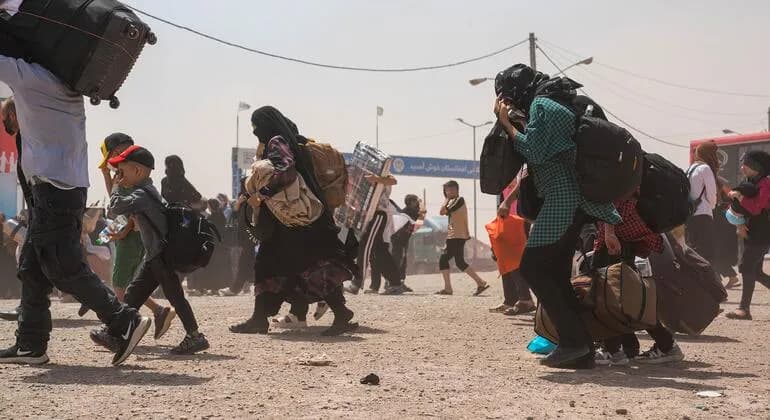
Afghan women who were deported from Iran are facing severe economic hardship and a lack of opportunity as they attempt to rebuild their lives in a country where resources are increasingly scarce.
Zahra, a 28-year-old trained midwife, returned to Herat in western Afghanistan after five years of living in Iran. While she previously earned enough to get by by caring for an elderly woman, she is currently unemployed and lives with her parents and siblings. Zahra separated from her husband, who is addicted to drugs, and her six-year-old son lives with him. "Sometimes I can’t see him," Zahra said. "I only see him twice a month."
Zahra stated she originally left for Iran because of the Taliban, the poor economy, and her education. Despite her qualifications and previous volunteer work in clinics, she says she currently has no opportunities to work.
Homa, 44, spent six years in Iran cleaning apartments and collecting recyclable plastic. She describes her previous life as stable, noting, "It was a good income for my family," and that she lived in a nice apartment building with a security guard and helpful neighbors. After being deported, Homa became the sole breadwinner for her husband, who has a disability, and her brother-in-law. She currently shares a single room and performs manual labor such as sewing and cleaning houses.
Homa reported that the pressure of her current situation is sometimes overwhelming, stating, "Some days," she said, "I must beg in the street." She also faces medical debt and strained relations with her brother-in-law's wife, noting she has no support for her medical needs following surgery for appendicitis.
According to Charlie Goodlake of the UN refugee agency, UNHCR, more than 6.5 million Afghans have returned over the past three years, with nearly 3 million returning in 2025 alone. These returns have increased Afghanistan’s population by more than 10 per cent, putting pressure on public services and housing. Mr. Goodlake noted that women and girls make up more than half of the people UNHCR assists, and that their primary needs include immediate shelter, cash assistance, education, and livelihoods.
UNHCR and its partners have provided some relief to both women. Zahra received cash assistance, legal support, and mental health services through a partner organization. Homa used her cash assistance to purchase a sewing machine, which allows her to work from home while recovering from surgery. Homa said, "Now I have an income, and I help my family." She also used the funds to purchase rice and oil, noting that her family had no food to eat two months ago.
While UNHCR runs more than 150 vocational training projects to help women earn money, the women describe an uncertain future. Homa expressed a need for food, oil, and a place to live for the winter. Zahra expressed a desire for work and independence, but she does not expect to win custody of her son, stating, "The courts in Afghanistan always side with men."