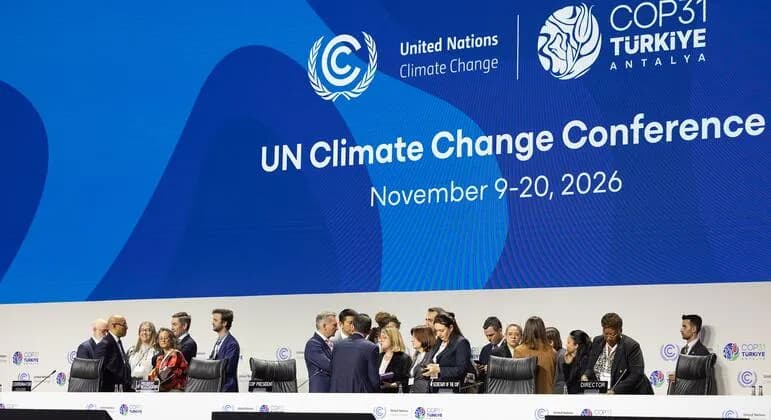
UN Secretary-General António Guterres described the conclusion of COP31 as a “deeply disappointing” setback after negotiators failed to reach a climate pact. The talks, held in Antalya, Türkiye, ended on Sunday without a consensus following two weeks of negotiations and two days of overtime.
Guterres stated that while there may be no consensus in the negotiating room, there is “no ambiguity in the science.” He warned that global temperatures continue to break records, greenhouse gas emissions remain dangerously high, and the world is currently on course to exceed the 1.5°C warming limit.
The Secretary-General identified fossil fuels as the primary driver of global warming and criticized powerful fossil fuel interests for obstructing action while continuing to profit. “We can’t put out the fire while pouring fuel on it,” Guterres said. He noted that governments had already agreed at COP28 in Dubai to transition away from fossil fuels, and argued that the current priority must be to accelerate and finance that shift.
Guterres called for deeper emissions cuts this decade, stronger support for vulnerable countries, and increased adaptation finance. He urged civil society, scientists, and Indigenous Peoples to continue demanding accountability, stating, “The climate crisis will not wait for governments to find common ground. Neither can we.” He concluded by telling campaigners to “Keep spreading the facts. Keep demanding action. Keep turning up the heat.”
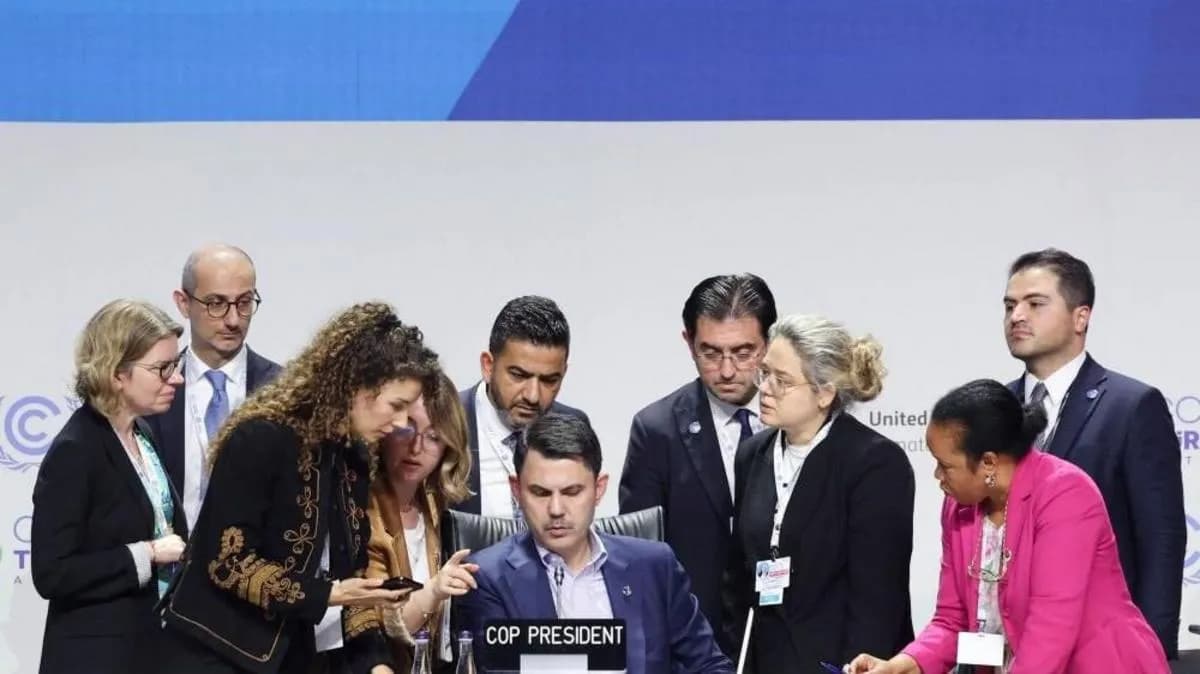
COP31 President Murat Kurum, Türkiye’s environment minister, acknowledged the impasse, stating: “I understand that there is no agreement on this text. For that reason, these decisions have not been adopted.” The deadlock centered on a coalition of climate-vulnerable nations and those seeking stronger commitments to move away from coal, oil, and gas, versus countries seeking to protect economies dependent on fossil fuel exports.
Several countries formally objected to the final text, claiming it weakened previous commitments. The European Union formally objected to the cover decision, calling the omission of any reference to fossil fuels “unconscionable” and stating it failed to “meet the moment.” Panama also rejected the outcome, arguing that governments have a responsibility “not to negotiate the minimum threshold, but to act.”
The Marshall Islands withheld support, warning that accepting the text would amount to a betrayal of its people and criticized what it called “false solutions.” Conversely, Ghana, speaking for the African Group, acknowledged shortcomings in climate finance and loss and damage but stated the group would not stand in the way of consensus.
Saudi Arabia, representing the League of Arab States, defended the inclusion of carbon capture and storage (CCS) in the text. The delegation rejected suggestions that the technology is greenwashing, arguing that scientific assessments identify a role for CCS in limiting warming. Pakistan urged delegates to continue working toward consensus, stating that climate action requires “bridges, not barriers.”