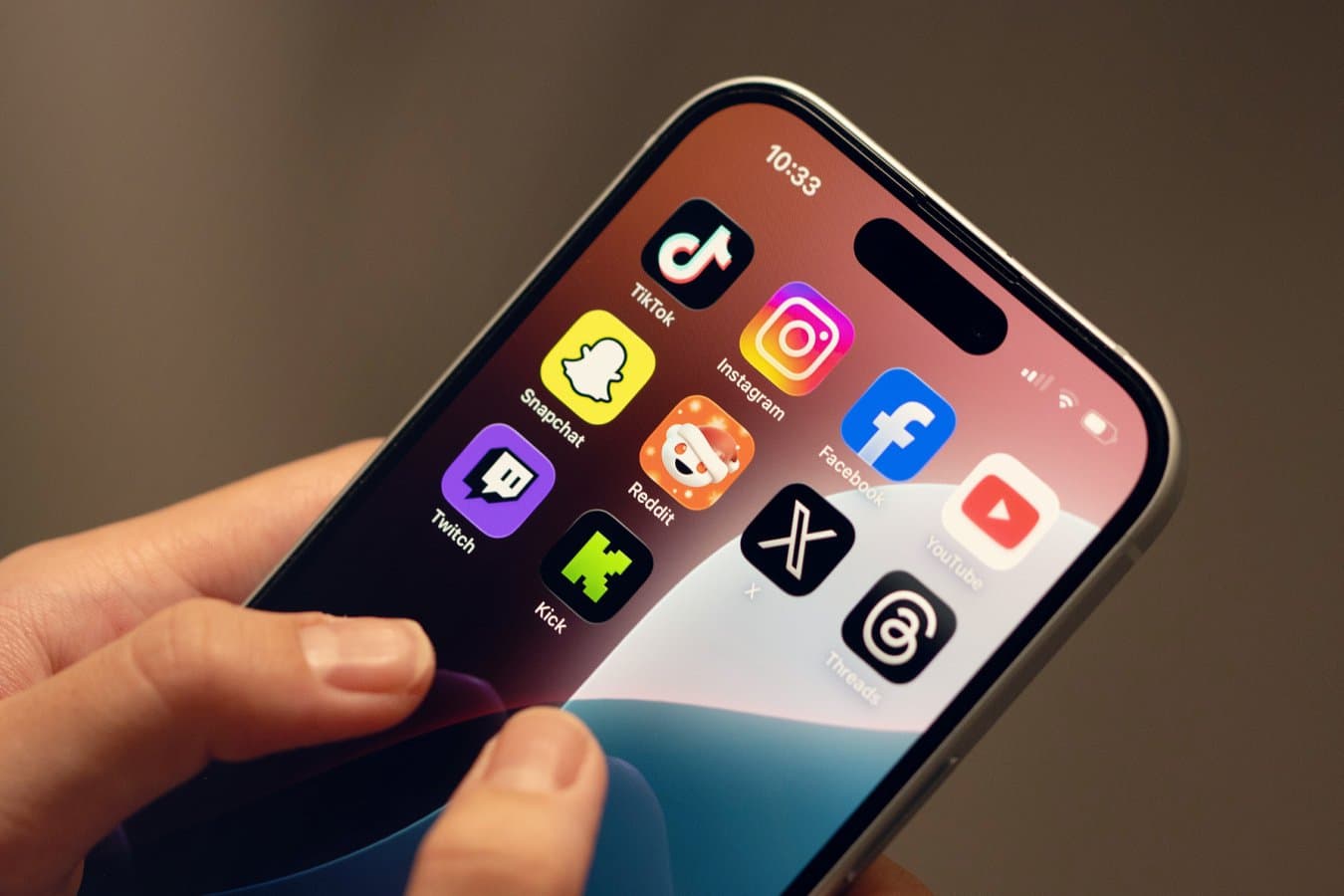
Australia’s landmark social media ban is facing a constitutional challenge in the nation’s highest court. The case, which began hearings on 3 November, is being led by the advocacy group the Digital Freedom Project alongside Reddit. The primary argument presented before the court this week is that the ban limits the freedom of political communication for those under 16.
The challenge comes nearly one year after the ban took effect, prohibiting children under 16 from accessing sites including TikTok, Snapchat, Facebook, and Instagram. Noah Jones, a primary witness opposing the ban, stated, “I’m bringing the High Court case because young Australians have a right to be in the digital town square.” Jones, who was 15 when the ban started, noted, “This is the world of technology and I’m entitled to see it all and not be shut out.” While Jones was originally a plaintiff, he withdrew due to the risk of his family being awarded costs against them.
Despite the legal challenge, research suggests the policy has failed to prevent children from accessing social media. A study by Courtney Barnes at the University of Newcastle surveyed more than 400 children under 16 before and three months after the ban, finding that 85 per cent were still using prohibited platforms. Similarly, Iain Corby of the Age Verification Providers Association in London stated that up to 80 per cent of children have kept their accounts, with half never being challenged and over a third retaining access through "false ages they originally used to create the account."
Corby described Australia as a "missed opportunity" for evidence on age restrictions because platforms did not implement the law in "good faith." He noted that the UK’s communications watchdog, Ofcom, is being clearer about "highly effective age assurance" for restrictions coming next spring, and that ministers are "alive to the need for robust legislation that pre-empts loopholes." Corby added that while platforms may think they avoided a successful precedent in Australia, "lessons are also being learned by observers."
The failure of the ban has led to criticism regarding its enforcement. In June, Prime Minister Anthony Albanese doubled fines for social media companies from AUS$49.5 million to AUS$99 million ($35 million to $69 million) and introduced new powers for the eSafety commissioner. However, nearly half a year later, no fines have been issued. Catherine Page Jeffery at the University of Sydney noted that her own children retained their accounts and suggested that "not that much has changed for Australian teens." She questioned what enforcement will look like and if platforms will be taken to court.
Other experts have warned about the consequences of the ban. Susan McLean at CyberSafety Solutions stated it is "sad" that Australian children cannot access Instagram teen accounts with inbuilt safety settings, which pushes them to "far less safe platforms." She noted that Reddit has become "mainstream for kids" because its vetting is easily bypassed.
Lisa Given at RMIT argued that governments are captivated by headlines rather than data, stating, "this isn’t the solution." She suggested that instead of bans, efforts should focus on "online safety and digital duty of care," as it is "impossible to keep children from interacting online."
Noah Jones expressed dismay at the government's legal arguments, stating that he feels ignored because he is not an elector. He remarked, “I resent when statements are made that I should form a local club to exchange ideas or drop pamphlets – that sounds like my mum’s childhood before the internet.”