LIVE Watch Now Punjabi News Channel from Pakistan
Breaking
UBG President Expresses Concern Over Trade DeficitPunjab Minister Announces SSC Results, Boosts ScholarshipsSMAP, PMYP and NAVTTC Launch Free Technical Training Programme for Salt IndustrySindh Government Launches Multiple Initiatives to Boost IndustrializationFBR Warns Taxpayers: Traditional Practices No Longer EffectiveSindh CM highlights Thar coal blocks’ role in saving USD3.2 billionHigh Court Reserves Verdict on President’s Delay in Judicial AppointmentsPeshawar High Court Rejects Petitions from Afghan Generals Seeking Stay in PakistanSuno Introduces Watermarks to Combat AI Music ForgeryGovernment’s Digital Monitoring Initiative for Oil Sector Receives PraiseUS set for record Middle Eastern crude importsOil prices rise amid concerns over Red Sea shippingWorld Bank allocates climate finance for Connected Punjab digital projectAviation Bodies Urged to Strengthen Cybersecurity DefensesPunjab CM rejects tax on bottled drinking waterMCB Bank Reports Strong Half-Year Performance, Declares Second DividendMetaage profits soar 330% on AI-driven enterprise growthSoftBank donates $50 million to Trump Library before Ohio Data Center DealFCC Eliminates TV Ownership Cap, Claims Authority Over Congress-Made RuleZelda Movie to Feature Ganondorf with Potential for More FilmsUBG President Expresses Concern Over Trade DeficitPunjab Minister Announces SSC Results, Boosts ScholarshipsSMAP, PMYP and NAVTTC Launch Free Technical Training Programme for Salt IndustrySindh Government Launches Multiple Initiatives to Boost IndustrializationFBR Warns Taxpayers: Traditional Practices No Longer EffectiveSindh CM highlights Thar coal blocks’ role in saving USD3.2 billionHigh Court Reserves Verdict on President’s Delay in Judicial AppointmentsPeshawar High Court Rejects Petitions from Afghan Generals Seeking Stay in PakistanSuno Introduces Watermarks to Combat AI Music ForgeryGovernment’s Digital Monitoring Initiative for Oil Sector Receives PraiseUS set for record Middle Eastern crude importsOil prices rise amid concerns over Red Sea shippingWorld Bank allocates climate finance for Connected Punjab digital projectAviation Bodies Urged to Strengthen Cybersecurity DefensesPunjab CM rejects tax on bottled drinking waterMCB Bank Reports Strong Half-Year Performance, Declares Second DividendMetaage profits soar 330% on AI-driven enterprise growthSoftBank donates $50 million to Trump Library before Ohio Data Center DealFCC Eliminates TV Ownership Cap, Claims Authority Over Congress-Made RuleZelda Movie to Feature Ganondorf with Potential for More Films
◕ SundialUpdated 22 hours ago
Trending
Business

US set for record Middle Eastern crude imports

US set for highest Middle Eastern crude imports since Iran war, driven by Strait of Hormuz opening and rerouting through Suez Canal.

Add Sun News on Google News
US set for record Middle Eastern crude imports
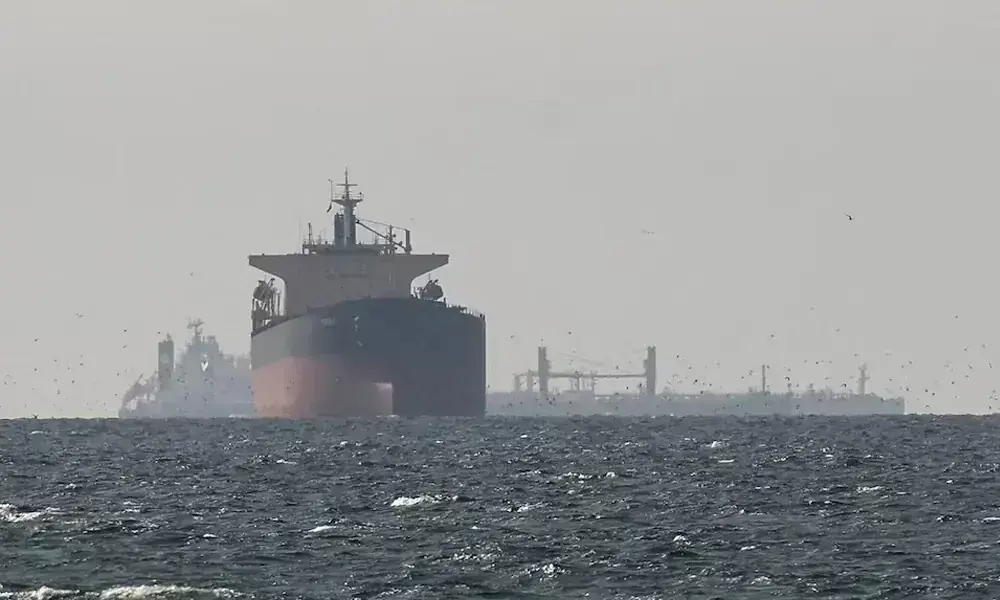
Tankers loaded with Middle Eastern crude oil heading to US ports.

Key Takeaways

  • US imports of Middle Eastern crude to hit 600,000 barrels per day in August.
  • Brief opening of Strait of Hormuz and rerouting through Suez Canal boost US imports.
  • Yemeni blockade forces tankers to use longer route via Suez Canal.

US imports of Middle Eastern crude are set to reach approximately 600,000 barrels per day in August, the highest since the Iran war began. This surge is driven by a brief opening of the Strait of Hormuz and rerouting of Saudi oil through the Suez Canal.

Ship-tracking data revealed that nearly a dozen ships loaded with Middle Eastern crude were en route to US ports as American refiners and traders seized this opportunity to secure barrels exiting the strait. A memorandum of understanding signed by the US and Iran in June helped release vessels from the maritime chokepoint, facilitating these imports.

Additionally, Saudi Arabia has rerouted its crude output to Yanbu via its east-west pipeline to bypass Iranian attacks on shipping in the Strait of Hormuz. However, Yemen’s Iran-backed Houthi militants launched a maritime blockade last month, forcing many tankers to head north and exit the shipping channel through the Suez Canal.

AdvertisementFollow Sun NewsWatch Live

This redirection has increased exports from the region to the United States, as the journey via the Suez Canal is shorter than the route to Asia. Vessels exiting this northern route can still sail to Asia but would take nearly four weeks longer, raising costs significantly.

Notably, no Middle Eastern crude barrels reached US ports last month, while imports peaked at about 708,000 bpd in February this year. The US had not received any oil from Saudi Arabia for five straight weeks as of the end of July or imported any oil from Iraq for six consecutive weeks.

The redirection of some Saudi barrels to the US has tightened supplies for Asian refiners, prompting them to look towards American oil. At least two dozen empty Very Large Crude Carriers (VLCCs) are now signaling the US as their destination to pick up additional shipments.