Key Takeaways
- US-led coalition ends mission in Iraq after over a decade.
- Iraqi Prime Minister Ali al-Zaidi declares October 1 as Sovereignty Day.
- Factions demand weapons handover and end to US interference.
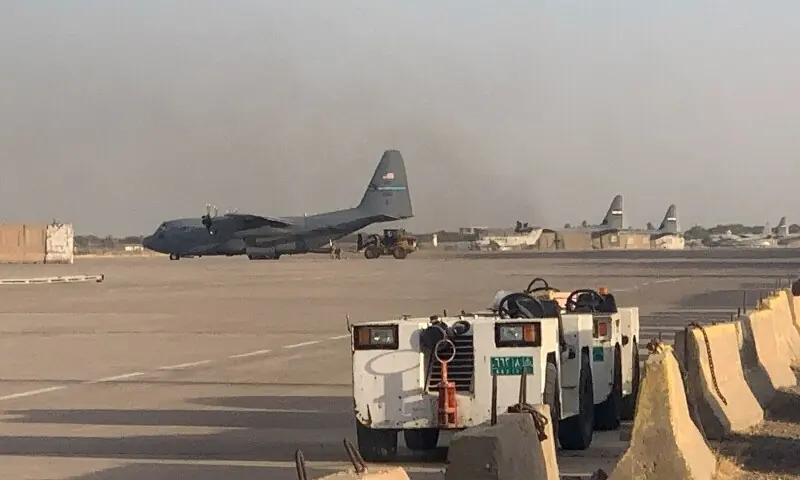
After more than a decade of involvement, the US-led coalition has officially ended its mission in Iraq. The coalition, which was deployed in 2014 to fight the Islamic State (IS) group, has now withdrawn its troops from the country, with the final withdrawal from the autonomous northern Kurdistan region scheduled for Wednesday.
The Iraqi government, led by Prime Minister Ali al-Zaidi, has declared October 1 as Sovereignty Day, marking the end of the coalition’s presence. Al-Zaidi stated that the day should be celebrated as a national occasion, affirming Iraq’s path toward sovereignty and the presence of state institutions.
However, the withdrawal of the coalition has raised concerns among powerful militant factions. Al-Zaidi has vowed to reinforce the state’s monopoly on arms and ensure that armed factions hand over their weapons to the state. The government initially set a September 30 deadline for factions to disarm, but later withdrew the time limit as talks continued to ‘regulate’ weapons.
Several powerful groups, including the Kataeb Hezbollah, have expressed mixed sentiments. The group welcomed the coalition’s withdrawal, stating that it is a start towards achieving full sovereignty. However, they also threatened Zaidi’s government, warning that a government not working for the good of its people will be brought down by all possible means.
The presence of the coalition has been a persistent point of contention between Iraqi authorities and the factions. Both fought against IS during the battle, but after the defeat of the militants, the coalition’s presence became a source of friction. Factions have demanded the withdrawal of US troops and have begun targeting coalition forces with drones and missiles, leading to retaliatory strikes by the US.
The issue of weapons handover and the end of US interference in Iraqi affairs remains a contentious topic. Senior politicians are now hoping to work out a compromise deal that addresses these concerns. The withdrawal of the coalition is seen as a significant step towards Iraq’s sovereignty, but it also highlights the challenges that lie ahead in ensuring a peaceful transition.
The Iraqi government is facing pressure to address the issue of weapons outside state authority. The heads of the executive, legislative, and judicial branches have called for the presence of weapons to be addressed in line with government timelines, emphasizing the importance of state sovereignty.
As the coalition withdraws, the focus now shifts to the disarmament of factions and the resolution of ongoing tensions. The coming days and weeks will be crucial in determining whether Iraq can maintain stability and sovereignty in the absence of foreign military presence.
A government that doesn’t work for the good of its people will be brought down by all possible means.
Kataeb Hezbollah, Group statement