Key Takeaways
- Trump administration imposes 100% tariff on foreign drones with thermal imaging or over 55 pounds.
- Critics warn tariffs will harm public safety and US businesses.
- Smaller tariffs apply to drones from US allies, including the UK and EU.
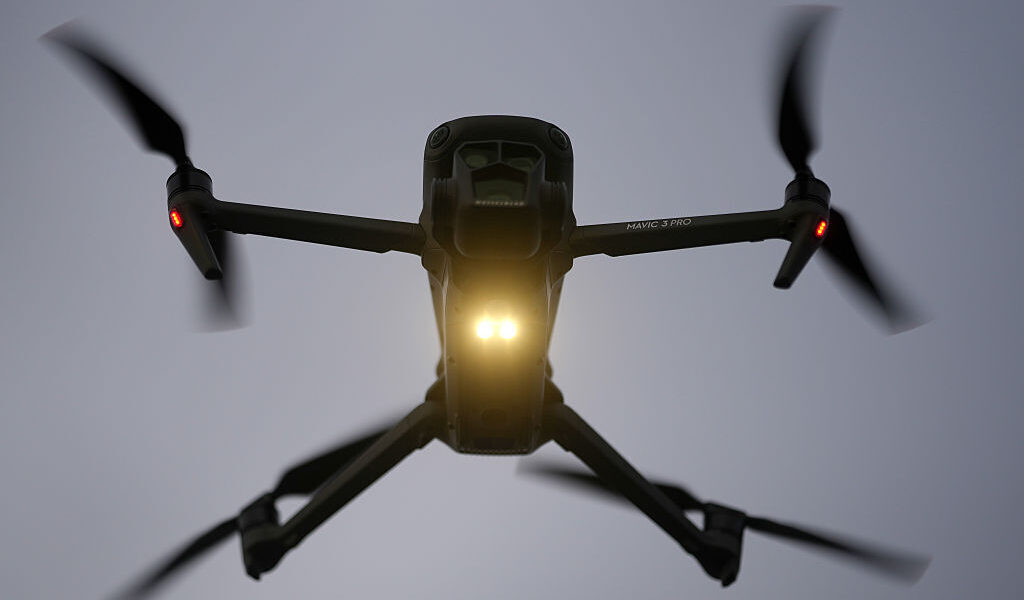
The Trump administration has imposed a 100% tariff on foreign-made drones that use thermal imaging or weigh more than 55 pounds, effective immediately. This move has alarmed critics who warn that the high tariffs will negatively impact public safety and devastate thousands of US businesses.
According to guidance posted by US Customs and Border Protection, the new tariffs will apply to imported drones with thermal imaging or weighing more than 55 pounds, subjecting them to a 100% tariff. Smaller drones will face a 25% tariff, while drones from US allies, including the UK and EU, will be hit with tariffs ranging from 10% to 15%.
Critics argue that these tariffs will disrupt the drone industry, which is crucial for various sectors including law enforcement, firefighting, and agriculture. They warn that the increased costs could lead to a shortage of affordable drones, potentially compromising public safety.
The new tariffs also affect drone components. Non-sensitive drones without thermal imaging and their components will carry a 25% tariff, effective from February 9, 2027. This extended timeline has given businesses some breathing room, but the long-term impact remains uncertain.
Public safety agencies, such as police departments and fire departments, have expressed concern over the potential disruption. They rely heavily on drones for surveillance, search and rescue operations, and other critical tasks. The increased costs could force them to scale back operations or replace older, less expensive drones with more expensive models.
Businesses in the drone manufacturing and sales sector are equally worried. They fear that the tariffs will make it difficult for them to compete with domestic manufacturers and could lead to a decline in sales. Some companies have already reported a drop in demand due to the uncertainty surrounding the tariffs.
The tariffs have also raised questions about the administration's trade policies and their impact on domestic industries. Critics argue that such measures could backfire, leading to retaliatory tariffs from other countries and ultimately harming the US economy.
While the tariffs are designed to protect domestic industries, they may have unintended consequences. The US drone industry, while growing, is still relatively small compared to global competitors. The new tariffs could stifle innovation and growth, potentially giving an edge to foreign manufacturers.
The administration's decision to impose these tariffs has sparked a debate among policymakers and industry leaders. Some argue that the tariffs are necessary to protect national security and domestic industries, while others believe that they will do more harm than good.