Key Takeaways
- A genetically modified pig kidney kept a man with end-stage kidney failure off dialysis for nine months.
- The kidney was transplanted into Tim Andrews in January 2025 and was the first successful pig kidney transplant in a living person.
- The transplant marks a significant step towards using genetically modified pig organs as temporary or permanent replacements.
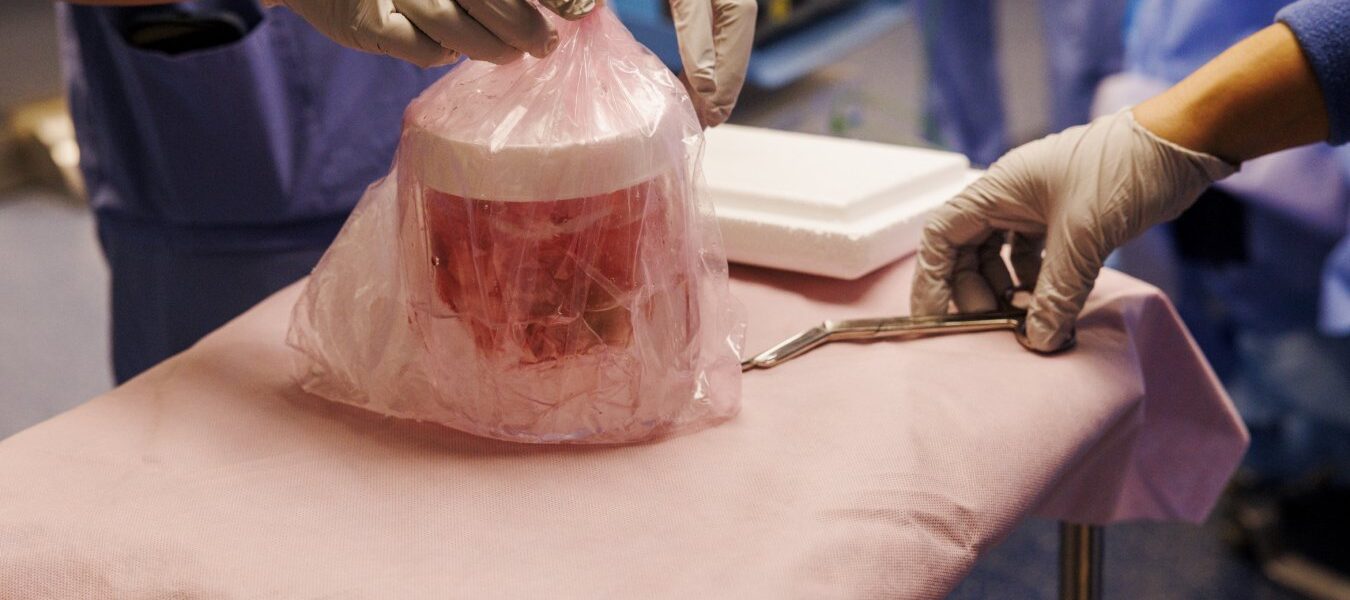
In a groundbreaking medical first, a genetically modified pig kidney kept a man with end-stage kidney failure off dialysis for nine months. The kidney was transplanted into Tim Andrews in January 2025, marking a significant advancement in xenotransplantation.
The pig’s kidney had been genetically modified to improve compatibility with the human immune system, including the removal of certain sugars that the human body produces antibodies against, and the addition of seven human genes.

The transplant was initially successful, and Andrews was able to come off dialysis and resume a normal life. However, after about six months, he was admitted to hospital with a methicillin-resistant Staphylococcus aureus (MRSA) infection, which most antibiotics could not kill.
In response, the medical team reduced the immunosuppression drugs Andrews was on, but this led to damage in the kidney’s blood vessels, eventually leading to organ failure. The kidney was removed 271 days after transplantation.
Despite the complications, the nine-month success period is considered a milestone. 'He had a kidney that lasted nine months, which is mind-blowing,' said Leonardo Riella, the lead researcher from Mass General Brigham hospital in Boston.
The transplant marks the first time a pig kidney has been used as a temporary bridge to a human transplant. 'Such transplants may allow patients to avoid going through dialysis, which is so important because it causes so much wear and tear to the body,' added Riella.
The success of this procedure suggests that genetically modified pig organs could act as a temporary measure amid lengthy organ waiting lists, and potentially as a permanent replacement in the future.
While the outcome was not without complications, the nine-month success period is considered a significant step forward in the field of xenotransplantation. 'I think it’s incredible in terms of the science behind it and what they’ve achieved,' commented Michelle Willicombe from Imperial College London, who was not involved in the work.
This development opens up new possibilities for patients with severe kidney disease, offering a potential alternative to dialysis and the long wait for a human donor organ.
He had a kidney that lasted nine months, which is mind-blowing.
Leonardo Riella, Lead researcher from Mass General Brigham hospital
I think it’s incredible in terms of the science behind it and what they’ve achieved.
Michelle Willicombe, Imperial College London