Key Takeaways
- Iran attacked US military bases in Kuwait on Thursday.
- US President Donald Trump had previously threatened further strikes.
- The attacks deepen the ongoing conflict in the Middle East.
Iran launched attacks on US military bases in Kuwait on Thursday, escalating tensions in the region despite threats from US President Donald Trump. The attacks, which began with US raids on Sunday, have intensified the ongoing conflict, as Iran maintains control over the strategic Strait of Hormuz.
According to reports, at least 19 Iranians died in the US military bombardment between Tuesday and Wednesday. In retaliation, Tehran targeted US bases and forces in the United Arab Emirates, Kuwait, Bahrain, Jordan, and Iraq’s Kurdistan region.

Iran’s security chief, Mohsen Rezaei, warned that Iran had adopted a “new strategy” in the war that “will shatter your foundations,” indicating a more aggressive stance.
The Iranian Red Crescent reported that a missile attack in the coastal town of Kuhestak killed four people, including a child, and wounded more than 50. The US military did not directly address the attack.
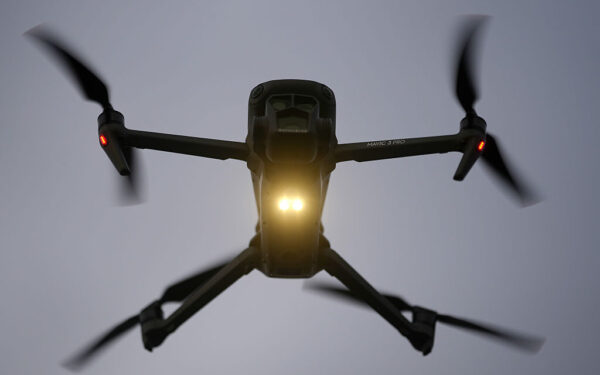
Kuwait’s army confirmed intercepting a missile and drone attack from Iran, with the Iranian army claiming it hit the Ahmad al-Jaber Air Base in Kuwait. However, the Gulf country reported no such attack.
Tehran’s top negotiator, Mohammad Bagher Ghalibaf, condemned the United States, calling it 'Satan' for the wedding attack. Iranians expressed dismay over the return to hostilities, which erupted on February 28 with US-Israeli attacks on Iran that killed its supreme leader Ayatollah.
In response to the attacks, Kuwait called them a “direct threat to its security and stability, and the safety of its citizens and residents on its territory, and a grave breach of the rules of international law.”
Washington has vowed to choke Iran’s economy, threatening sanctions on its trade partners. Energy Secretary Chris Wright pledged that a US plan for expanded sanctions targeting Iran’s economic partners would deliver “absolutely maximum pressure.”
US President Donald Trump suggested renaming the Strait of Hormuz as “Trump Strait,” although he later implied he was not serious about the idea. The US military maintains control over the strategic waterway, which Iran has effectively shut for six months.
If a power acts like Satan, picks targets like Satan, and kills like Satan, it's Satan.
Mohammad Bagher Ghalibaf, Iran’s top negotiator