Key Takeaways
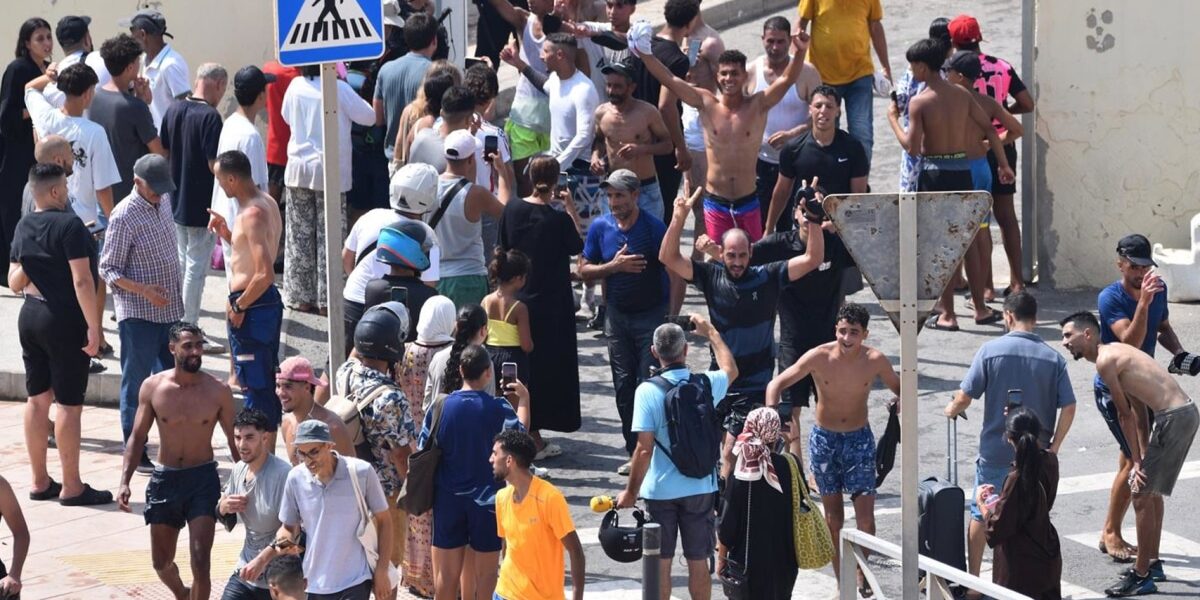
- 60,000 migrants entered Spain before returning to Morocco on the same day.
- US Congressman Thomas Massie accused Republicans of hypocrisy over a recent bill supporting Moroccan claims.
- US President Donald Trump highlighted the crisis as an example of migration challenges.
A recent border crisis between Spain and Morocco, involving the entry of approximately 60,000 migrants, reportedly had a political twist. The incident saw these individuals enter Spanish territory before voluntarily returning to Morocco on the same day, raising suspicions about its authenticity.
US Congressman Thomas Massie accused Republican lawmakers of hypocrisy, pointing out that two weeks prior, they passed a bill supporting claims by Morocco that cities like Ceuta and Melilla are located in Moroccan territory. 'Every Republican except me voted for it, but now THEY are acting shocked at the invasion,' he posted on X.

Massie’s statement highlighted the contradiction between the language used in the bill and the subsequent reactions of some lawmakers who criticized the migrant crisis in Ceuta and warned about border security concerns in Europe.
The report does not directly transfer territories or alter Spain's sovereignty over Ceuta and Melilla. Instead, it reflects a shift in congressional committee documents favoring Morocco’s claims.
US President Donald Trump took advantage of the situation to emphasize that the crisis serves as an example of the challenges posed by large-scale migration in different parts of the world. He stated: 'This is just one more example of the challenges we face with large-scale migration.'
The incident has sparked debates about political motivations and the impact of legislative actions on international relations, particularly between Spain and Morocco.
Critics argue that the timing of the bill’s passage and its language suggest a coordinated effort to influence public opinion and political discourse surrounding migration issues.
'Every Republican except me voted for it, but now THEY are acting shocked at the invasion.'
Thomas Massie, US Congressman