Key Takeaways
- The UK experienced its driest July since 1836 this year.
- Environmental incidents due to the drought have surpassed those of 2025.
- Wildlife in England and Wales will be affected for years to come.
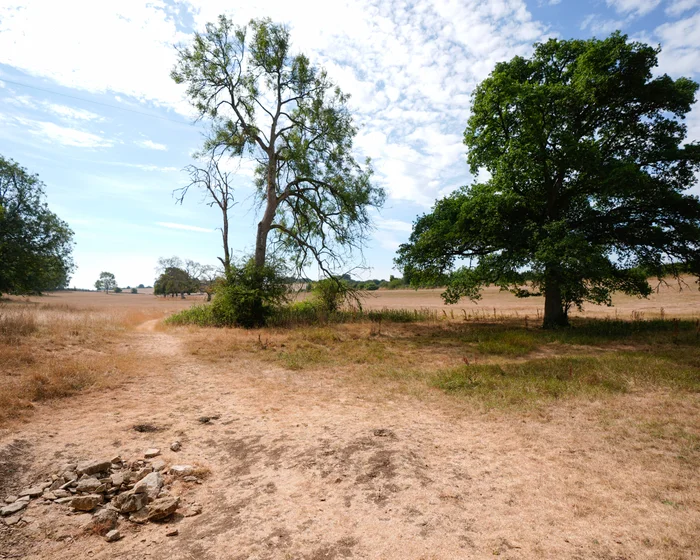
The UK government has warned that wildlife in England and Wales will face long-term impacts from the current drought, which has seen the driest July since records began in 1836.
This summer, large parts of England and all of Wales were affected by a serious drought, with environmental incidents triggered by the hot and dry weather surpassing those of 2025.
The government's statement highlights the severity of the situation, emphasizing the need for sustained efforts to mitigate the effects on local ecosystems.
Environmental incidents, which include issues such as water scarcity and habitat degradation, have been reported across the affected regions, indicating the widespread impact of the drought.
The government's warning underscores the potential long-term consequences for wildlife, including reduced biodiversity and increased vulnerability to further environmental stressors.
Experts advise that the current drought could lead to prolonged challenges for local flora and fauna, necessitating ongoing monitoring and conservation efforts.
The government's commitment to addressing the issue includes plans to enhance water management practices and support for affected communities and wildlife habitats.
The situation highlights the importance of adaptive measures to protect the environment and ensure the resilience of local ecosystems in the face of climate change and extreme weather events.