Key Takeaways
- Farmers in southern France are turning to bananas, papaya, and dragon fruit.
- These tropical crops thrive in the region's warmer climate without needing heating or pesticides.
- Adapting to climate change, farmers are finding new ways to sustain their livelihoods.
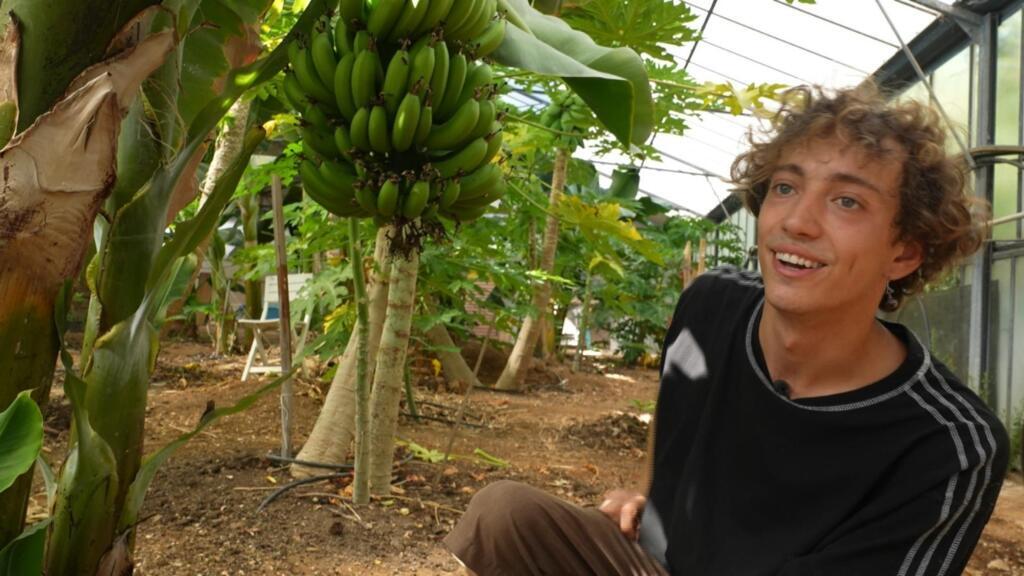
In response to rising temperatures, French farmers in the south are adopting a new strategy: growing tropical crops such as bananas, papaya, and dragon fruit. This shift marks a significant departure from traditional fruit production, as these crops are now well-suited to the local climate.
According to reports, these tropical fruits are being cultivated in both greenhouses and open fields, without the need for heating or pesticides. This innovative approach not only addresses the challenges posed by climate change but also opens up new market opportunities for local farmers.
Farmers are learning to work with the changing climate rather than against it, demonstrating a proactive and adaptable approach to agriculture. By embracing these tropical crops, they are ensuring the sustainability of their farms and the diversity of their produce.
The move towards tropical crops is part of a broader trend in the region, where climate change is reshaping the landscape. Farmers are increasingly experimenting with new varieties that can thrive in the warmer conditions, thereby reducing the need for energy-intensive heating and chemical treatments.
This adaptation strategy is not only beneficial for the environment but also for the local economy. By diversifying their crops, farmers are creating new opportunities for trade and export, which can help to boost the regional economy.
The success of this approach is evident in the growing number of farmers who are adopting these methods. They are finding that tropical crops require less maintenance and can yield higher profits compared to traditional crops, making them a more viable option in the long term.
While the shift towards tropical crops is a positive step, it also highlights the urgent need for broader climate change mitigation strategies. Farmers are leading the way in adapting to the changing climate, but systemic changes are necessary to ensure the long-term sustainability of agriculture in the region.
As the climate continues to change, it is clear that farmers in southern France are at the forefront of this adaptation. Their innovative approach is not only helping to sustain their livelihoods but also setting an example for other regions facing similar challenges.