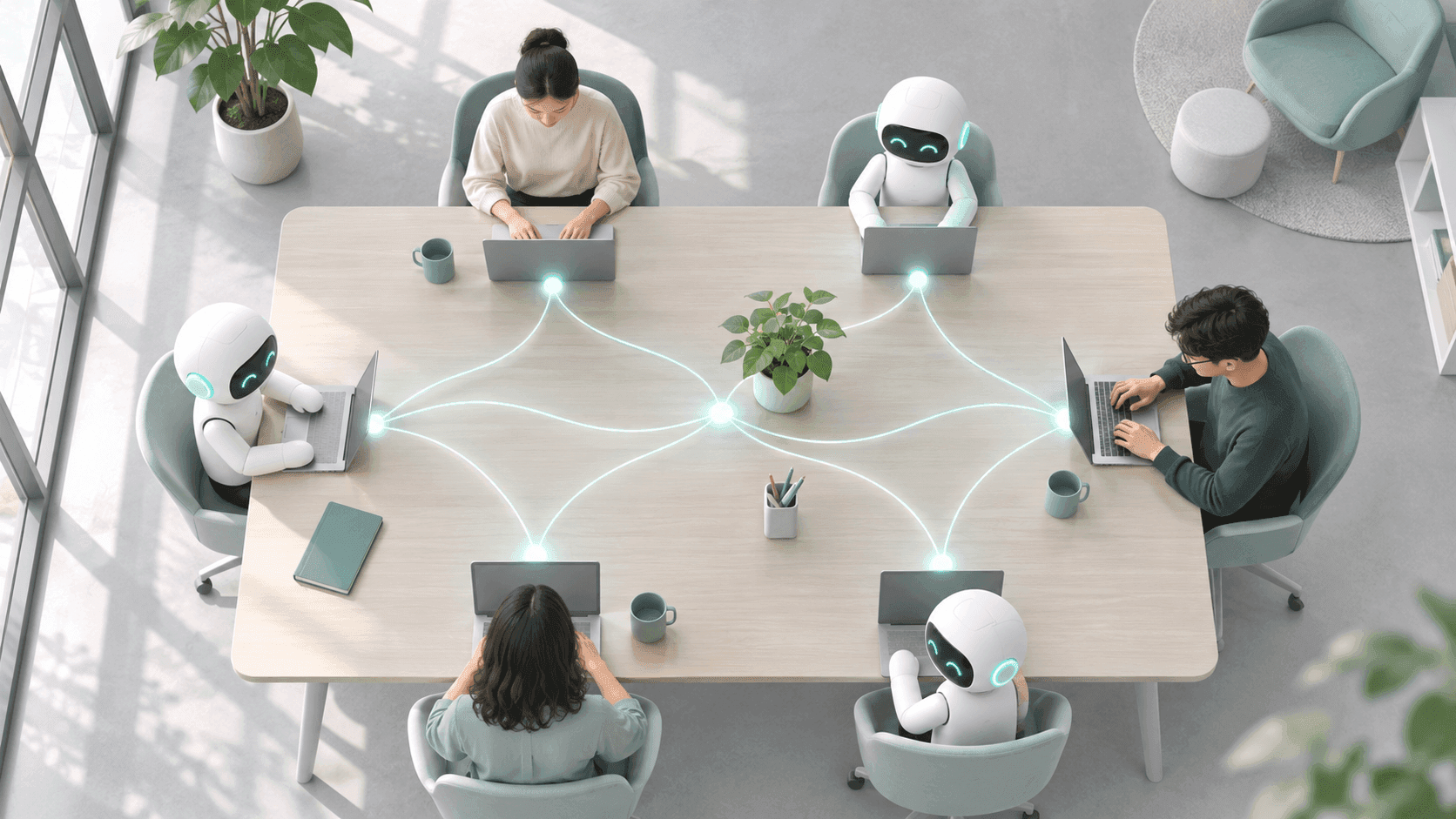
The Huawei-backed open-source agent community, openJiuwen, has released Hyper-Agent, a swarm architecture designed to move AI agents out of single chat sessions and into real work group chats as persistent digital employees, according to a community release published by IT Home. The capabilities are included in openJiuwen WorkSwarm, with the code open-sourced on GitHub as JiuwenSwarm.
The core change involves how agents relate to sessions. Rather than being tied to one conversation, a Persistent Agent maintains its own identity and state to perform work continuously. In this system, sessions become an underlying resource that the system allocates, schedules concurrently, and resumes with context. A gateway connects a web interface and instant messaging apps, while an AgentServer handles the scheduling of agents and work sessions.
According to the community, this builds on earlier Persistent Session work and allows a single agent to follow several jobs across multiple third-party group chats. Users can create these agents in an employee center using expert templates or from scratch. During setup, users can define duties, working styles, delivery requirements, skills, connectors, knowledge sources, and even a dedicated email inbox.
When a context window approaches its limit, the agent switches to a new one and carries over a handoff summary of goals, progress, and next steps, retrieving archived history when necessary. The system offers a passive mode where the agent only replies when mentioned, and an adaptive mode where the agent decides whether to ignore, respond, or step in based on its role and the conversation. An activity panel provides visibility into each agent's activity, token use, and recent response times.
The same agent is capable of working across office apps such as Feishu and DingTalk, allowing it to take a request in one channel and deliver the result in another. Cross-group sharing requires user approval; users must check the source group, recipient, and content before granting one-time or permanent permission, which can be revoked later. Additionally, team members can run WorkSwarm on their own devices, allowing agents on cloud servers and personal PCs to cooperate in the same group using locally authorized files and tools.
For larger tasks, WorkSwarm's native SwarmEngine group chat places users, persistent agents, individual experts, and expert teams in one space. An expert team features a leader who takes tasks, reports progress, and organizes delivery while members work in the background. These experts can come from third-party agents such as Codex and Claude Code and can be mixed with in-house digital employees.
The community stated that future work includes letting agents coordinate personal and cluster computing resources, active learning, and failure recovery for longer collaboration.