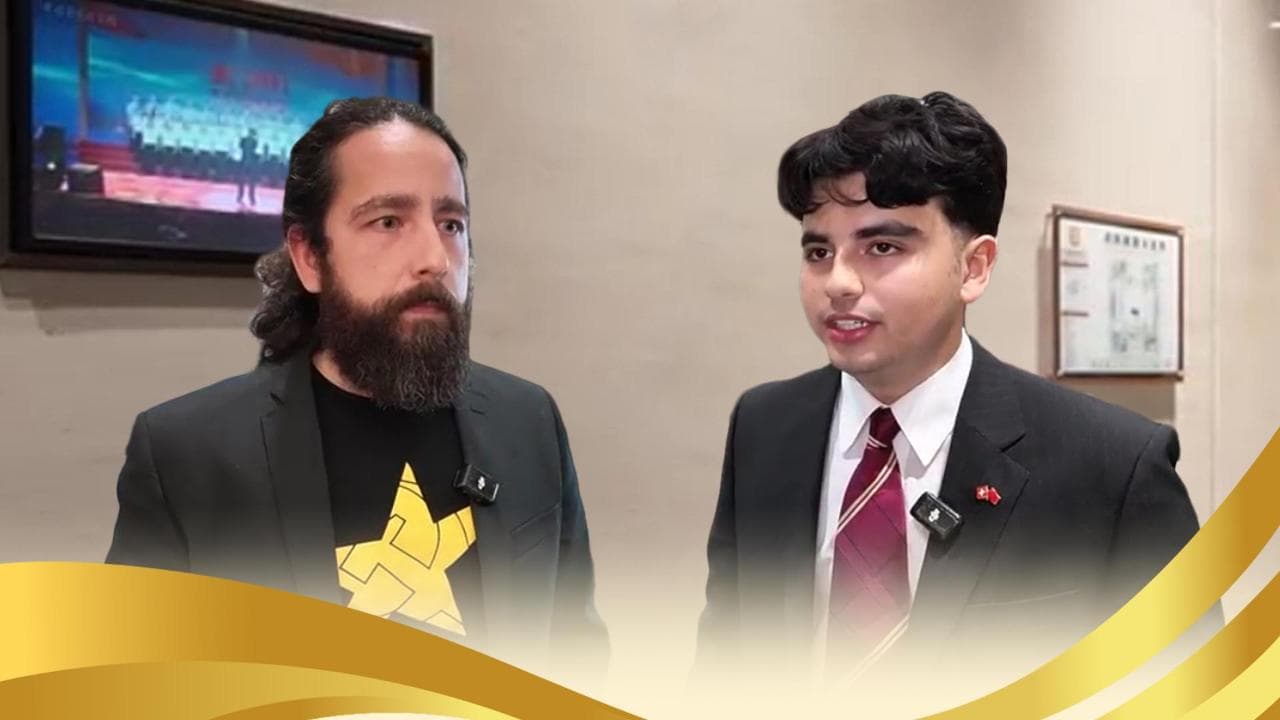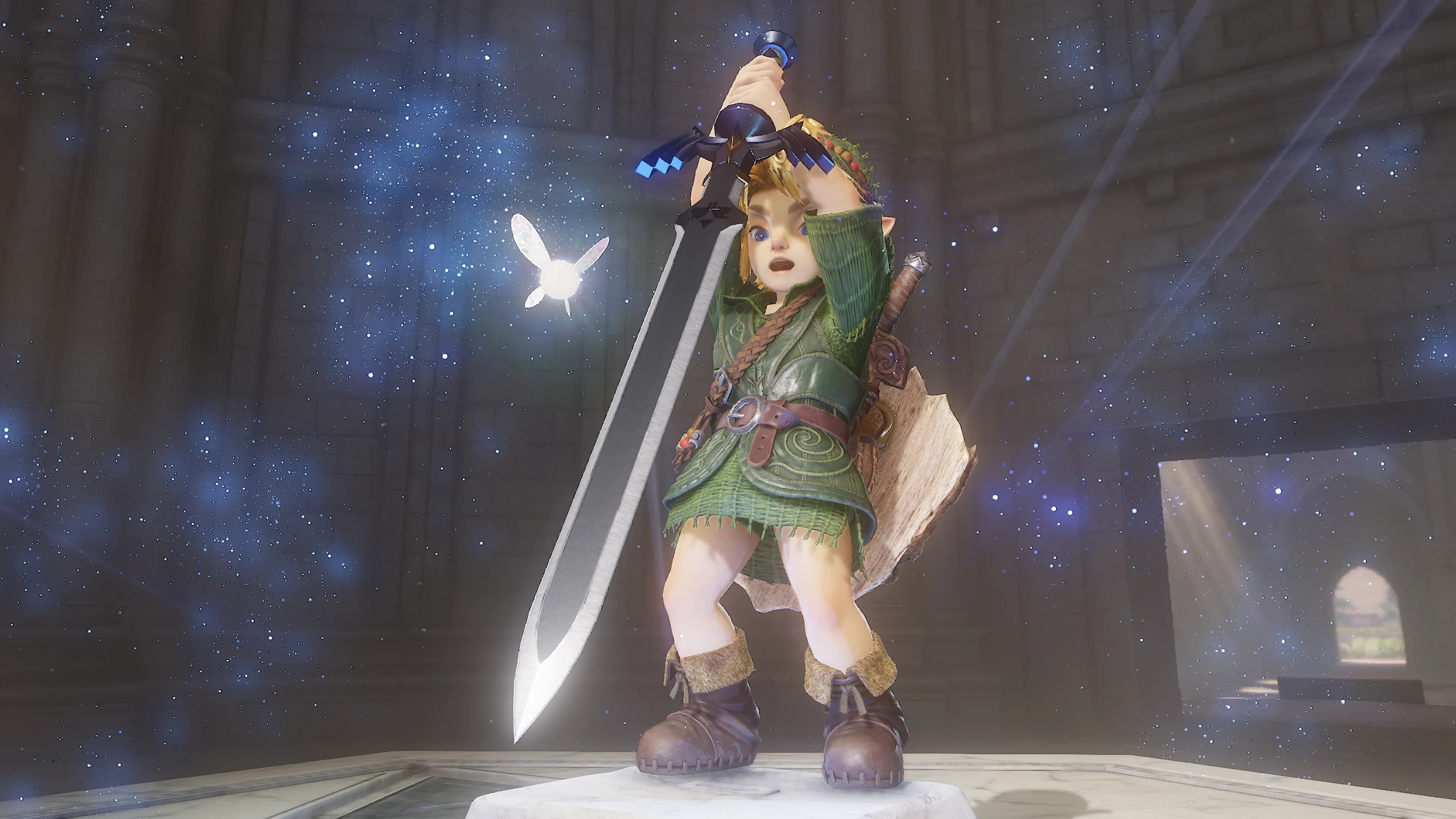
Nintendo producers Eiji Aonuma and Hidemaro Fujibayashi have revealed that the development team for the Ocarina of Time remake on the Switch 2 prioritized "elegance" over novelty. According to Fujibayashi, younger developers on the team, some of whom had never played the original game, approached the project "very carefully" to ensure they did not add unnecessary clutter. Fujibayashi stated that the team focused on "Only what is needed, only what was important in the original, and how to carry that forward as their focus."
Aonuma, who worked on the original game and currently serves as the franchise's steward, noted that the scale of production has shifted significantly since the 1998 debut on the Nintendo 64. While he says much of the process remains similar, the modern version requires more time and a larger number of people, making team management more difficult. Aonuma also highlighted that the team had to account for modern player expectations regarding freedom, specifically regarding camera control and jumping.
To provide "connective tissue" between the remake and contemporary titles like Breath of the Wild and Tears of the Kingdom, the team implemented free jumping and full camera control. Aonuma stated, "I wasn’t quite sure about doing this in this title, but as soon as I felt it I thought, ‘Okay, this is a really good way to give players another way to approach a goal in the game.’" He noted that the world had to be adjusted to compensate for this added freedom.
The remake also features overhauled graphics intended to "bring out details of the world that people weren’t able to see in the original Ocarina of Time." Aonuma admitted that while the team wanted to do this in 1998, they lacked the technical compatibility at the time.
Several specific elements of the original game were addressed in the remake:
Navi: Aonuma explained that the fairy's chatter was toned down to find a better balance between providing information and being a nuisance. The team now uses in-game text to chronicle adventures to help players reach goals without over-relying on Navi's hints.
The Water Temple: Aonuma confirmed that the dungeon was modernized to be less arduous, allowing players to see and navigate the underwater area more easily.
Z-targeting: Fujibayashi, who was at Capcom during the original launch, noted that the Z-targeting system remains a foundation for his own 3D game creation.
Aonuma emphasized the importance of maintaining different styles of gameplay within the franchise as it celebrates its 40th anniversary. He believes the variety between the open world of Breath of the Wild, the top-down style of Echoes of Wisdom, and the straightforward nature of Ocarina is why the series has staying power. He expressed optimism about working with younger staff to bring "additional new ideas" to the Zelda playbook.