Key Takeaways
- More than 2,800 cases of cyclosporiasis have been reported in Michigan and Ohio.
- The outbreak occurred a year after the Trump administration cut funding for state health departments.
- Cyclospora causes watery diarrhea, loss of appetite, and weight loss.
State health officials in Michigan and Ohio are reporting a significant increase in cases of cyclosporiasis, a parasitic infection that has caused over 2,800 confirmed cases. This outbreak comes as a year anniversary since the Trump administration reduced funding for state and local health departments, impacting their ability to combat such illnesses.
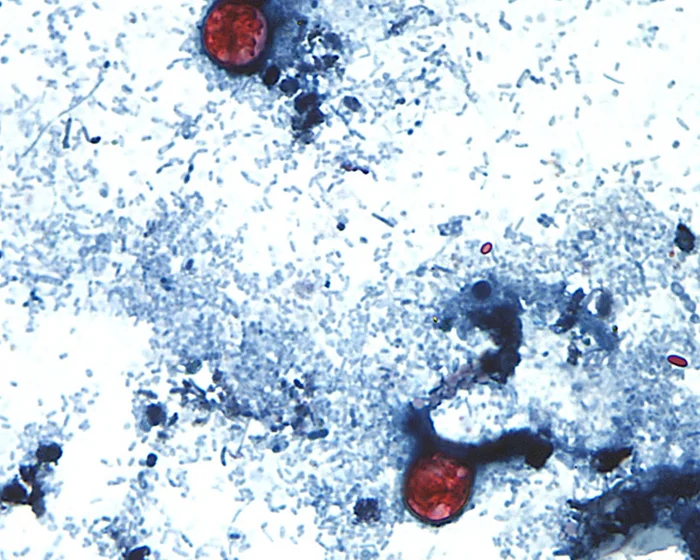
Cyclospora is a microscopic parasite that causes watery diarrhea, often described by patients as 'explosive.' Other symptoms include loss of appetite and weight loss. The severity can vary from mild to severe, depending on the individual's immune system.
The reduction in funding for state health departments has been cited as a contributing factor to the rise in cases. According to reports, the Trump administration also reduced the scope of programs aimed at coordinating information on foodborne illnesses, including cyclospora. This has left states and localities with fewer resources to monitor and respond to such outbreaks.
Health experts warn that without adequate funding and coordination, the risk of similar outbreaks could increase in the future. The current situation highlights the importance of sustained investment in public health infrastructure to prevent and manage such infections effectively.
Michigan and Ohio are currently working to identify the source of the outbreak and implement measures to control its spread. Public health officials advise individuals experiencing symptoms to seek medical attention promptly and follow recommended treatment protocols.
The ongoing investigation into the cause of this outbreak is being closely monitored by public health authorities. While the exact origin remains unclear, state health departments are collaborating with federal agencies to gather more information and develop strategies to prevent future occurrences.