Key Takeaways
- Meta has launched Content Seal, an invisible watermarking technology to detect AI-generated images.
- The tool is seen as less accessible and reliable compared to existing solutions like C2PA Content Credentials.
- Meta was previously urged by its Oversight Board to use such tools to combat deceptive generative AI content.
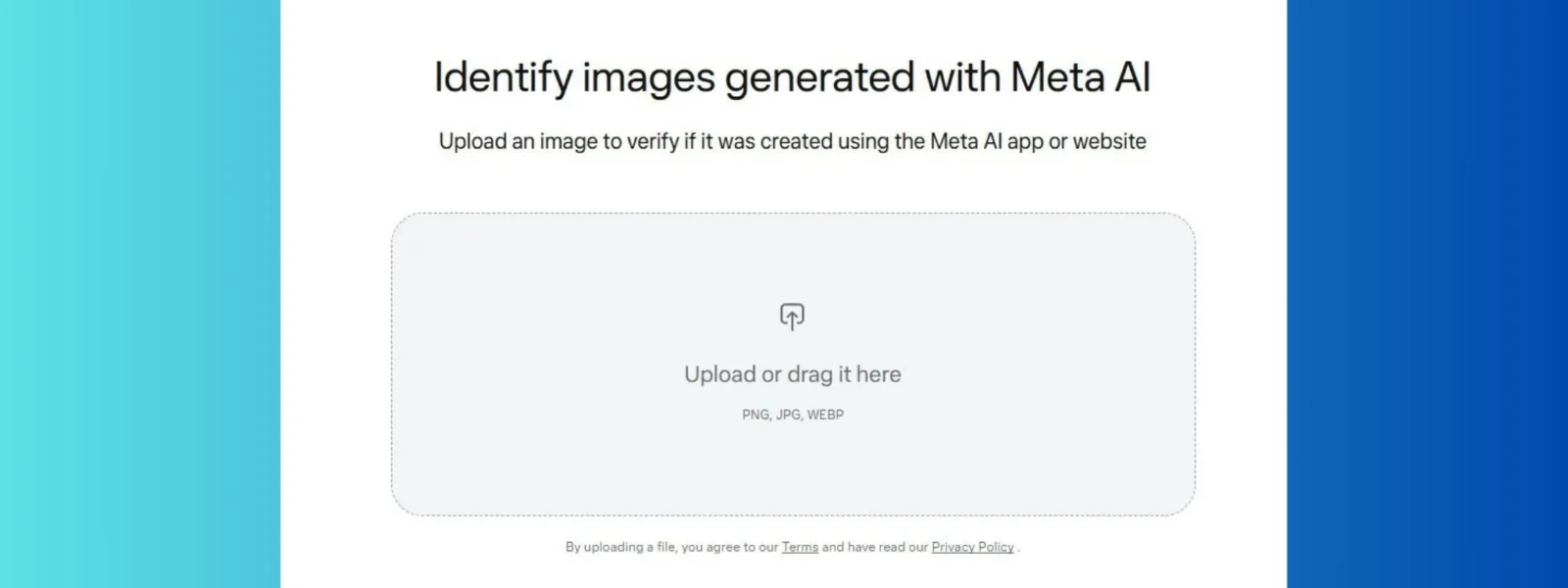
Meta has unveiled a new technology called Content Seal, designed to detect images generated by the company's own AI models. This system is intended to flag such content as it appears across various platforms, aiming to prevent the spread of misleading or deceptive AI-generated imagery.
In March, Meta’s Oversight Board had issued a directive for the social media giant to 'meet its public commitments and employ its own tools' to address the proliferation of deceptive generative AI content. In response, Meta introduced Content Seal in July as part of its Muse image and video generation tools. However, the tool has been described by critics as an underwhelming solution.
According to The Verge, while Content Seal is meant to be an invisible watermarking technology, it lacks the robustness and accessibility found in more established solutions such as C2PA Content Credentials. These existing systems are considered more reliable and user-friendly for content creators and platforms alike.
The introduction of Content Seal comes at a time when concerns over AI-generated content have grown significantly. As these technologies become increasingly sophisticated, there is an urgent need to develop effective mechanisms to ensure the authenticity and integrity of online media. Meta’s move highlights its commitment to addressing this issue, albeit with a tool that some experts view as less than ideal.
While Content Seal may not be as comprehensive or user-friendly as other available solutions, it represents a step in the right direction for Meta. The company hopes that by implementing such technology, it can help mitigate the risks associated with AI-generated content and maintain the trust of its users.
Critics argue that relying solely on internal tools like Content Seal may not be sufficient to address the complex challenges posed by generative AI technologies. They suggest that a more collaborative approach involving multiple stakeholders could yield better results in the long run.