Key Takeaways
- Bosnian scientists warn of severe environmental impacts from a proposed hydroelectric dam.
- The project is part of an increasing trend of dam construction driven by lucrative business opportunities.
- Critics accuse authorities of favoring projects with close ties, raising concerns about transparency.
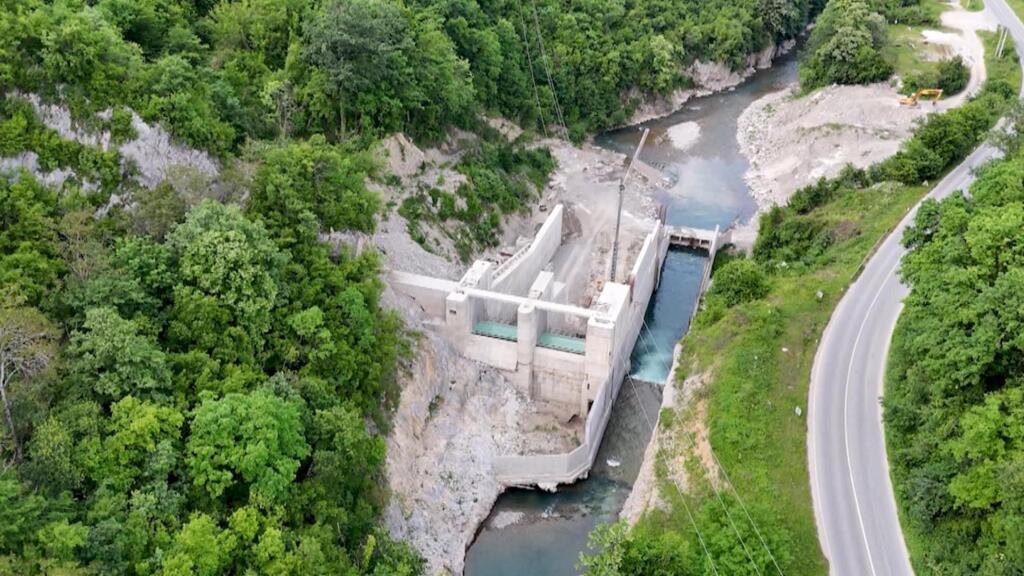
In Bosnia, the scientific community has joined local residents in opposing a proposed hydroelectric dam, citing potential environmental damage. The project, which is part of an expanding trend of such constructions across the country, has sparked controversy due to its lucrative nature and alleged lack of transparency.
According to reports from France24, the dam would significantly impact Bosnia's wild rivers, threatening local ecosystems and biodiversity. Environmental scientists argue that the proposed structure could disrupt water flow patterns, leading to long-term ecological harm.
The surge in hydroelectric projects has been fueled by their profitability, with critics pointing out that many of these ventures are controlled by individuals with close ties to government officials. This raises concerns about potential conflicts of interest and a lack of independent oversight during the approval process.
Local communities have also expressed strong opposition, citing the negative impact on tourism and fishing industries. Many residents fear that the dam could lead to reduced water quality and altered river habitats, which are crucial for their livelihoods.
Dr. Zaid Hasan, an environmental scientist at the University of Sarajevo, stated: 'The construction of such dams without thorough environmental assessments is a grave mistake. We need to prioritize sustainable development over short-term financial gains.'
While the government has not yet made a final decision on the project, it faces significant opposition from both scientists and local activists who are committed to preserving Bosnia's natural heritage.
The proposed dam site is located in the heart of Bosnia’s wild rivers, an area known for its pristine beauty and rich biodiversity. Environmentalists argue that any disruption could have far-reaching consequences, affecting not only the immediate vicinity but also downstream communities.
Critics further point out that the project lacks public consultation, which is a key requirement under Bosnian environmental laws. They claim that the government’s decision-making process has been opaque and biased towards corporate interests rather than public welfare.
The fight against the dam highlights broader issues of environmental protection in Bosnia, where economic development often takes precedence over ecological conservation. As the debate continues, stakeholders are calling for a more balanced approach to sustainable growth.
'The construction of such dams without thorough environmental assessments is a grave mistake.'
Dr. Zaid Hasan, Environmental scientist at the University of Sarajevo