Key Takeaways
- A new species of monkey, Colobus congoensis, has been identified in the Democratic Republic of Congo.
- The monkey is known locally as likweli and lives in one of Africa's most inaccessible regions.
- Genetic analysis confirms it diverged from its closest relative approximately 4 to 5 million years ago.
Scientists have discovered a new species of monkey, Colobus congoensis, in the Democratic Republic of Congo. This discovery is significant as only five new African monkey species have been documented since 1948.
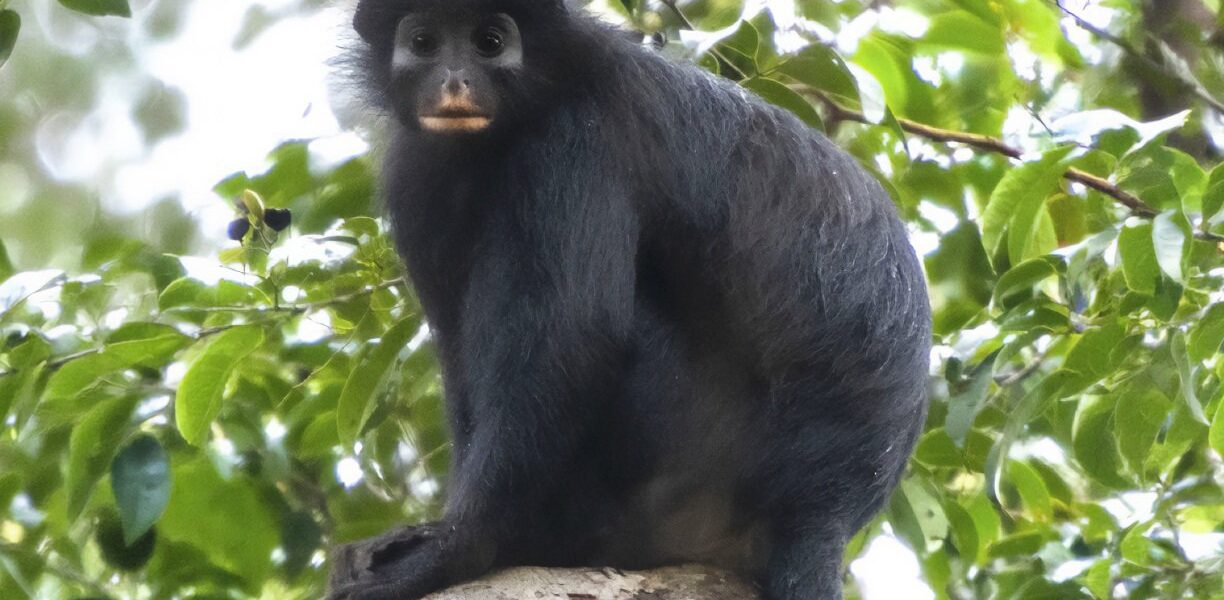
The likweli, named after its distinctive facial appearance resembling a mask, was first identified through photographic evidence and later confirmed by genetic analysis and vocal recordings.

Researcher Kate Detwiler from Florida Atlantic University explains that the journey to study these monkeys is challenging. Expeditions often involve multiple modes of transportation including flights, motorcycle rides, hiking, and canoe travel, highlighting the remote location where they reside.
The likweli's facial features set it apart from other African colobus species. The light-coloured skin around its mouth and nose resembles patterns seen in some Asian colobine monkeys, suggesting potential ancestral traits that may have been retained over millions of years.
Genetic tests reveal that the likweli diverged from its closest relative, Colobus satanas, approximately 4 to 5 million years ago. This divergence is much older than previously expected and provides strong evidence for recognizing it as a distinct species.
The likweli's habitat is limited to 1700 square kilometres of rainforest, isolated by more than 1200 kilometres and several major river barriers from its closest relative, Colobus satanas. Unlike most other colobus monkeys, which have habitats exceeding 60,000 square kilometres, the likweli's small range adds to its uniqueness.
Despite being known locally as a source of bushmeat, only 114 recorded observations were made between 2018 and 2022. This includes 25 vocalisation recordings, which provided crucial evidence for their distinct species status.