Key Takeaways
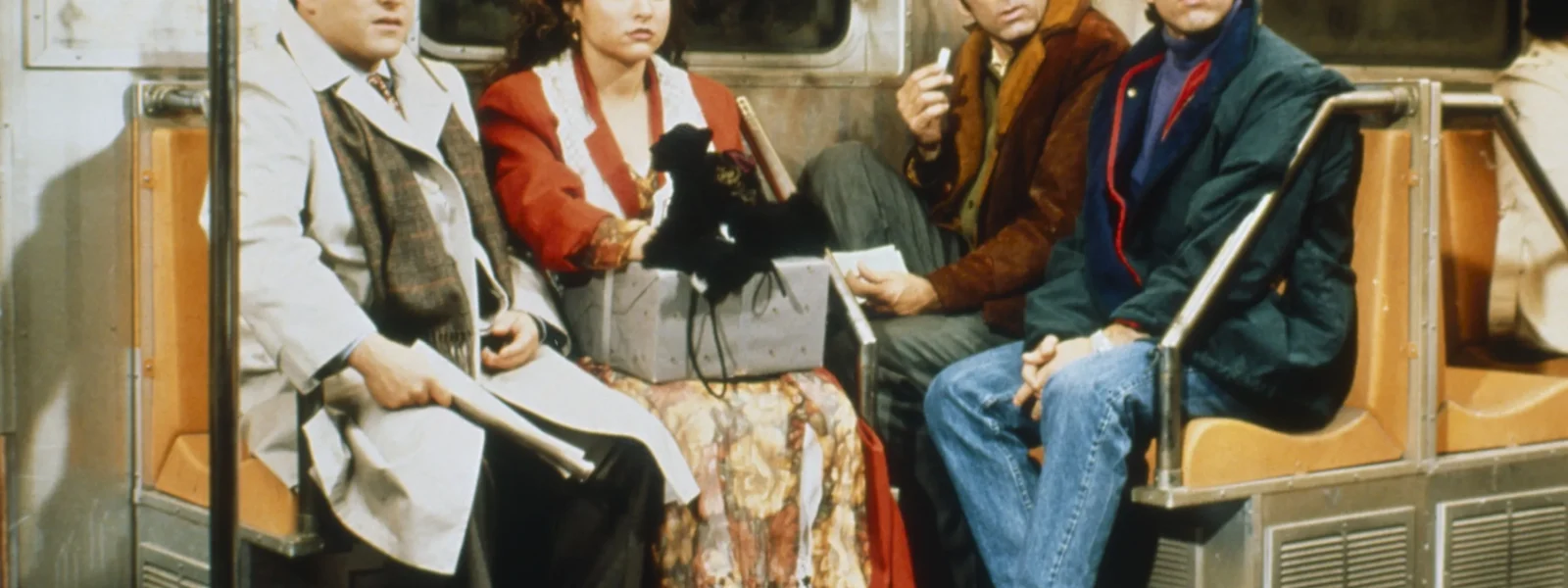
- In the late summer of 1993, NBC launched a groundbreaking campaign called 'Must See TV'.
- The slogan defined the network's dominance in the 1990s and influenced American viewing habits.
- Shows like Seinfeld, Frasier, Wings, and Mad About You became household names during this era.
In the late summer of 1993, NBC introduced a revolutionary campaign that would redefine television viewing in America. Dubbed 'Must See TV', it was an ambitious strategy to elevate certain shows above the rest and establish them as essential viewing for audiences.
The campaign focused on a handful of high-profile series such as Seinfeld, Frasier, Wings, and Mad About Your Mama (later known simply as Mad About You). These programs were strategically promoted to ensure they stood out among the competition. 'Must See TV' was not just a slogan; it was a cultural phenomenon that transformed how viewers approached their weekly entertainment.
Seinfeld, in particular, became synonymous with the campaign. The show's unique blend of humor and relatable characters resonated deeply with audiences, making it a must-watch for many. Similarly, Frasier capitalized on its witty dialogue and star power to attract viewers who were looking for something more sophisticated than traditional sitcom fare.
Wings, another hit series, was part of the 'Must See TV' lineup. Its blend of comedy and drama struck a chord with audiences, contributing significantly to NBC's success during this period. Mad About You, with its charming characters and realistic portrayal of relationships, also played a crucial role in solidifying the campaign’s impact.
The effectiveness of 'Must See TV' can be seen in the enduring popularity of these shows. Even decades later, they remain beloved by fans and are often cited as defining moments in 1990s television. The slogan itself became ingrained in popular culture, symbolizing a time when certain programs were considered essential viewing.
NBC's 'Must See TV' campaign was more than just a marketing ploy; it was a strategic move to establish the network as a leader in entertainment. By focusing on these specific shows and promoting them aggressively, NBC managed to create a cultural zeitgeist that influenced not only viewership but also the broader landscape of television.
The legacy of 'Must See TV' continues to be felt today. The success of this campaign paved the way for future strategies in content promotion and helped shape the viewing habits of an entire generation.