Key Takeaways
- French parliament adopts assisted dying law, aligning with global trends.
- President Macron championed the legislation as part of his social reform agenda.
- Assisted dying will be legal in France if approved by constitutional authority.
France's National Assembly has voted to adopt a bill that would legalize assisted dying for adults suffering from incurable illnesses. The move, championed by President Emmanuel Macron during his re-election campaign in 2022, represents a significant shift in French social policy and aligns with similar legislation in other countries such as the Netherlands, Belgium, Switzerland, and Canada.
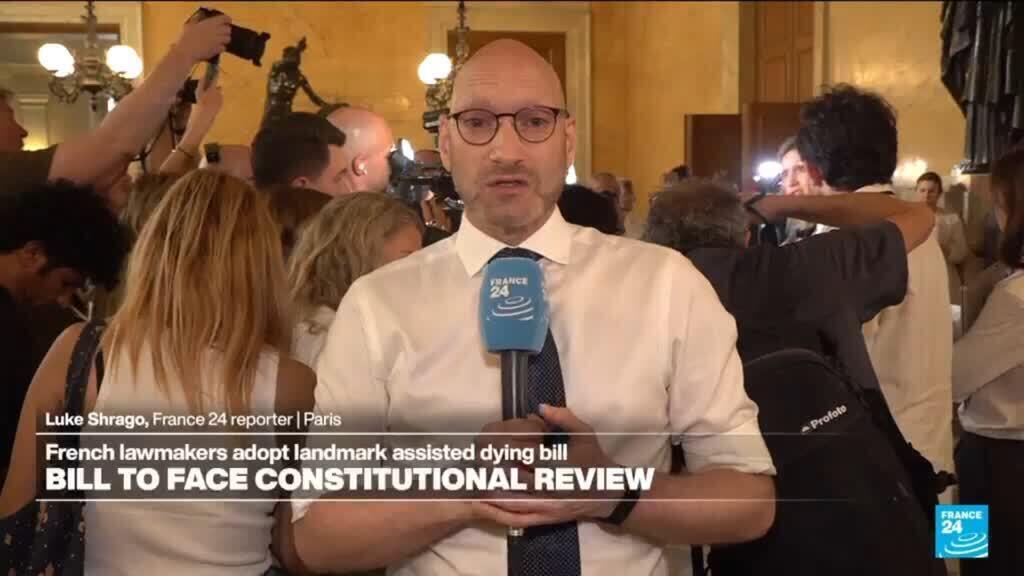
The bill, which was passed on Wednesday, is expected to undergo further scrutiny from France's highest constitutional authority before it can become law. If approved, this will mark a pivotal moment for end-of-life care in France, reflecting broader global trends towards recognizing the right to assisted dying as part of compassionate healthcare practices.
Macron had promised an assisted dying law during his campaign, positioning it as one of the most important social reforms since the legalization of same-sex marriage in 2012. The legislation aims to provide a legal framework for medical professionals to assist terminally ill patients who wish to end their lives with dignity and without suffering.
However, the bill has faced significant opposition, particularly from France's right-wing political parties. According to Luke Shrago of France 24, the debate surrounding assisted dying is highly contentious and has been described as 'almost anathema' by some members of the French right. This opposition stems from deeply held ethical beliefs about the sanctity of life and concerns over potential abuse or misuse of such legislation.
Supporters argue that the law would provide a humane option for patients facing unbearable suffering, ensuring they can make informed decisions about their end-of-life care. They contend that legalizing assisted dying could reduce instances of suicide among terminally ill individuals who feel they have no other choice but to end their lives prematurely.
Opponents, on the other hand, fear that the bill could lead to a slippery slope where vulnerable patients might be coerced into making hasty decisions due to pressure from family members or healthcare providers. They also express concerns about potential misuse of the law and the risk of undermining the sanctity of life in French society.
The next step for the legislation is approval by France's Constitutional Council, which will review its constitutionality before it can be signed into law by President Macron. If successful, this would make France the latest country to join the ranks of nations that recognize the right to assisted dying as part of their legal framework.