Key Takeaways
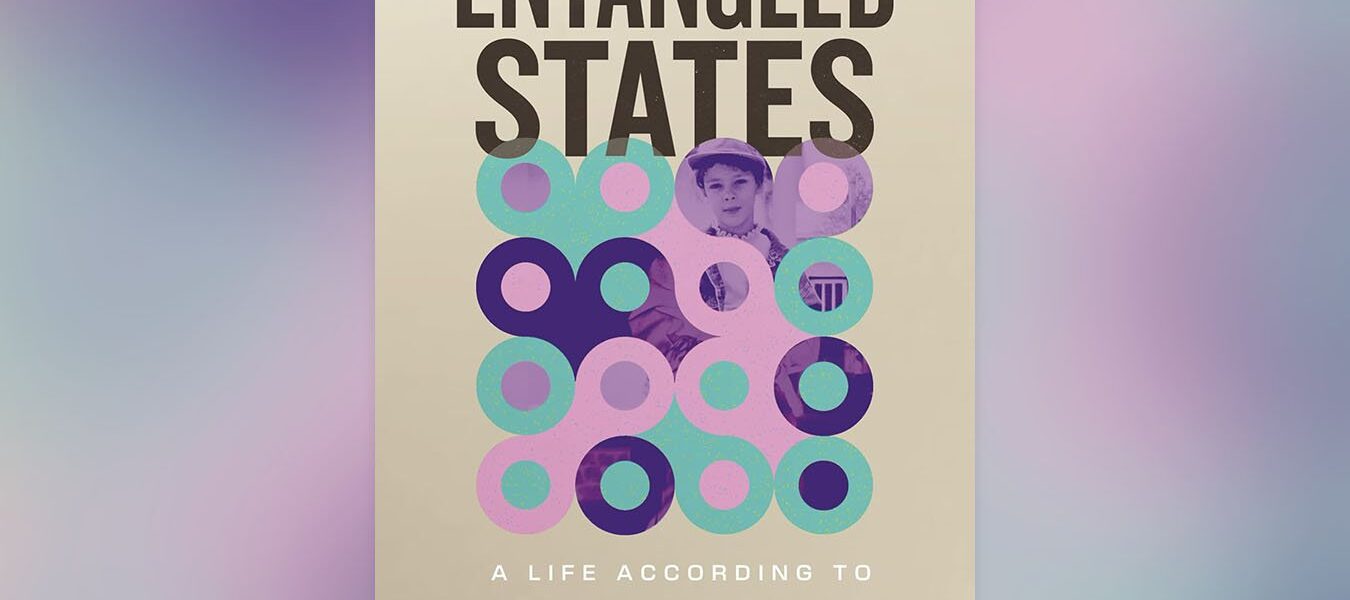
- Karmela Padavic-Callaghan’s book, 'Entangled States,' blends personal experiences with quantum physics concepts.
- The author uses her life as a queer, millennial immigrant to explore big physics ideas in an accessible way.
- Her unique blend of memoir and science writing offers insights into both scientific and personal growth.
Karmela Padavic-Callaghan’s debut book, 'Entangled States,' is a compelling narrative that intertwines her life experiences with the complexities of quantum physics. The author, who identifies as queer and has lived in Croatia before moving to New York for her PhD studies, uses her journey to explore fundamental concepts such as wave-particle duality and indefinite causality.
Padavic-Callaghan’s approach is both educational and personal, making the often abstract theories of quantum physics more relatable. She describes how these scientific ideas resonate with her own life events, from a life-threatening tooth infection to realising her queerness. This unique perspective allows readers to see the parallels between the unpredictable nature of subatomic particles and the uncertainties in human experiences.
The book is structured as a memoir that seamlessly integrates scientific concepts into everyday narratives. For instance, she explains wave-particle duality by drawing on her own journey of self-discovery, where she realises that just like light can behave both as a particle and a wave, so too can identity be fluid and multifaceted.
Padavic-Callaghan’s background in teaching high school physics and working as a reporter for New Scientist adds depth to the book. Her clear and friendly writing style makes complex theories accessible to a broader audience, while her candid reflections on personal growth provide emotional resonance. Readers will find themselves reflecting not only on quantum mechanics but also on their own lives.
The author’s ability to make links between scientific concepts and personal experiences is particularly noteworthy. For example, she discusses the concept of indefinite causality in relation to a life-threatening tooth infection, illustrating how both can be unpredictable and challenging. This approach makes the book not only informative but also deeply engaging.
Padavic-Callaghan’s journey as a queer, millennial immigrant adds an additional layer of complexity to her narrative. Her experiences highlight the intersection between personal identity and scientific exploration, making the book relevant for readers from diverse backgrounds. The author’s thoughtful reflections on these intersections offer valuable insights into both personal growth and scientific understanding.
Overall, 'Entangled States' is a unique blend of memoir and science writing that offers a fresh perspective on quantum physics. It is clear, friendly, and insightful, making it accessible to both scientists and non-scientists alike. The book’s ability to weave together complex theories with personal stories creates a compelling read that will resonate with many readers.