Key Takeaways
- Environment Canada issued health warnings for Toronto.
- Smoke from over 100 active wildfires in northern Ontario caused yellow, smoky skies.
- IQAir ranked Toronto’s air the worst globally.
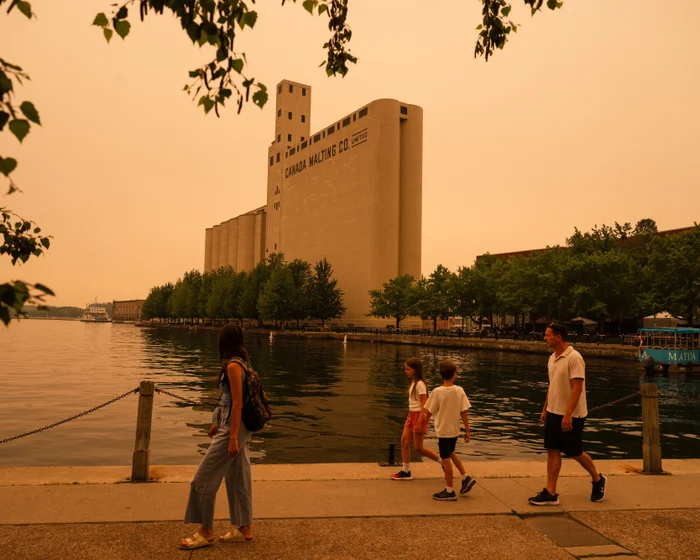
Environment Canada has issued urgent health warnings for residents of Toronto following a severe air quality crisis. The smoke from more than 100 active wildfires raging in northern Ontario has turned the sky over Canada's largest city an alarming yellow, and according to Swiss technology firm IQAir, it now ranks as the worst air quality in the world.
The situation is so dire that Environment Canada issued health warnings on Wednesday, advising citizens to limit outdoor activities and stay indoors if possible. The agency stated that the smoke has spread across northeastern US cities, affecting a wide area.
IQAir’s global air quality index placed Toronto at the top of its list, highlighting the severity of the situation. The company monitors air quality in real-time using advanced technology, providing critical data to governments and citizens alike.
The wildfires, which have been burning for several days, are causing significant environmental and health concerns. Smoke particles can cause respiratory issues, especially among vulnerable populations such as children, the elderly, and those with pre-existing conditions.
Local authorities have advised schools and workplaces to take necessary precautions. Public transportation systems have also issued advisories, recommending that people use air filtration systems in their vehicles if they must travel long distances.
The impact of these wildfires extends beyond just Toronto; neighboring cities such as Detroit, Cleveland, and Buffalo are experiencing similar conditions due to the smoke plumes. This has led to a regional emergency response effort, with multiple agencies working together to mitigate the effects.
While the exact duration of this crisis remains uncertain, environmental experts predict that it could take several days for the air quality to improve as the winds shift and the fires are brought under control. In the meantime, residents are advised to stay informed through local news channels and official government updates.
The situation highlights the ongoing challenges posed by climate change and natural disasters in North America. As wildfires become more frequent and intense due to changing weather patterns, cities like Toronto must be prepared for such emergencies.