Key Takeaways
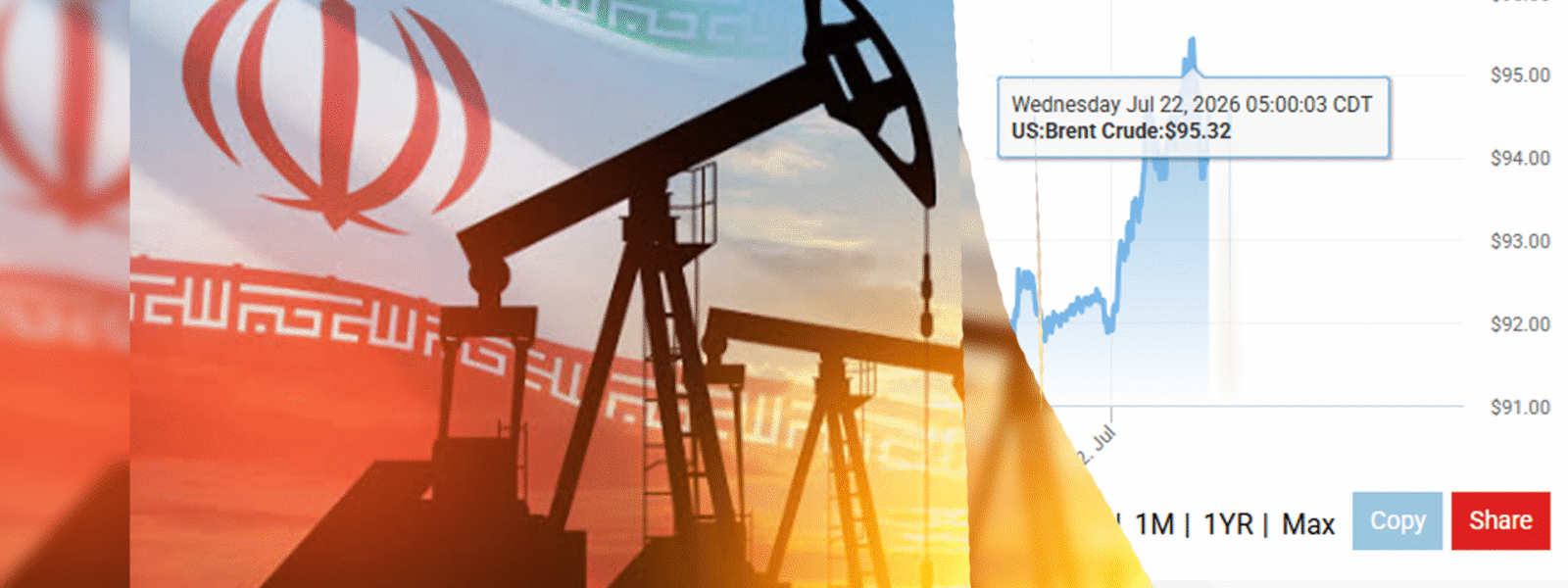
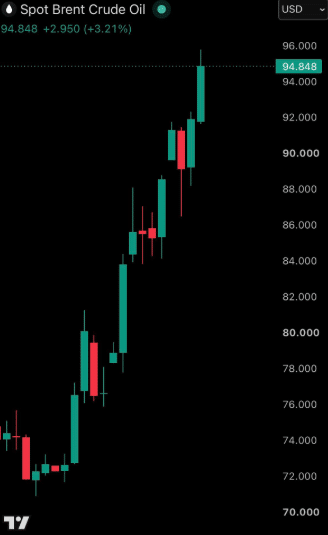
- Brent crude oil prices surpassed $95 per barrel.
- US and Iranian officials exchanged accusations over nuclear talks.
- Iranian Foreign Ministry spokesperson strongly condemned US actions.
Oil prices have surged above the psychologically significant threshold of $95 per barrel, driven by renewed tensions between the United States and Iran. The escalation in global energy markets was triggered after reports emerged that US officials stated Iran is not serious about a ceasefire, leading to increased concerns among traders and investors.
In response, Iranian Foreign Ministry spokesperson Esmaeil Baqaei issued a strongly worded statement, accusing the United States of repeated attacks and threats against Iran’s peaceful nuclear facilities. He emphasized that these actions violate the UN Charter, international law, and multiple resolutions from the International Atomic Energy Agency (IAEA) and the UN Security Council.
Baqaei also rejected allegations surrounding Iran's nuclear program, describing US claims regarding the Kolang Kouh site as a 'fabricated pretext for aggression, destruction, and sabotage.' He further criticized the IAEA’s leadership, adding that the Iranian people remain united and are prepared to respond to any US action that threatens the country's sovereignty or national security.
The surge in oil prices has significant implications for global economies, particularly those heavily reliant on energy imports. Analysts warn that continued tensions could lead to further volatility in the market, affecting everything from transportation costs to consumer goods prices. The situation highlights the ongoing geopolitical risks and their impact on international trade and financial stability.
While both sides have not officially confirmed any direct military actions or threats, the exchange of harsh rhetoric has sent shockwaves through energy markets. Investors are closely monitoring developments in the region, with many expecting further negotiations to de-escalate tensions. However, the current stance from both parties suggests that a resolution may be far from immediate.
The United States and Iran have been engaged in a long-standing dispute over nuclear activities, with multiple rounds of talks failing to produce concrete results. The latest developments suggest that any progress towards a ceasefire or renewed dialogue remains uncertain. Analysts predict that the situation could continue to evolve, potentially impacting oil prices and global economic stability.
As the world watches closely, the international community is urging both parties to engage in constructive dialogue and avoid actions that could exacerbate tensions further. The United Nations and other multilateral organizations are also monitoring the situation, with calls for de-escalation and peaceful resolution of disputes.