Key Takeaways
- Boeing's Starliner failed a critical test flight, delaying its crewed missions.
- NASA relies on SpaceX for human spaceflight but may face gaps in the 2030s.
- Private companies developing new space stations must coordinate with NASA.
NASA is grappling with potential disruptions to its human spaceflight capabilities as it faces a looming gap in crew transport services. The US space agency, which celebrated a successful Crew Dragon mission six years ago, now finds itself dependent on SpaceX for transporting astronauts to the International Space Station (ISS).
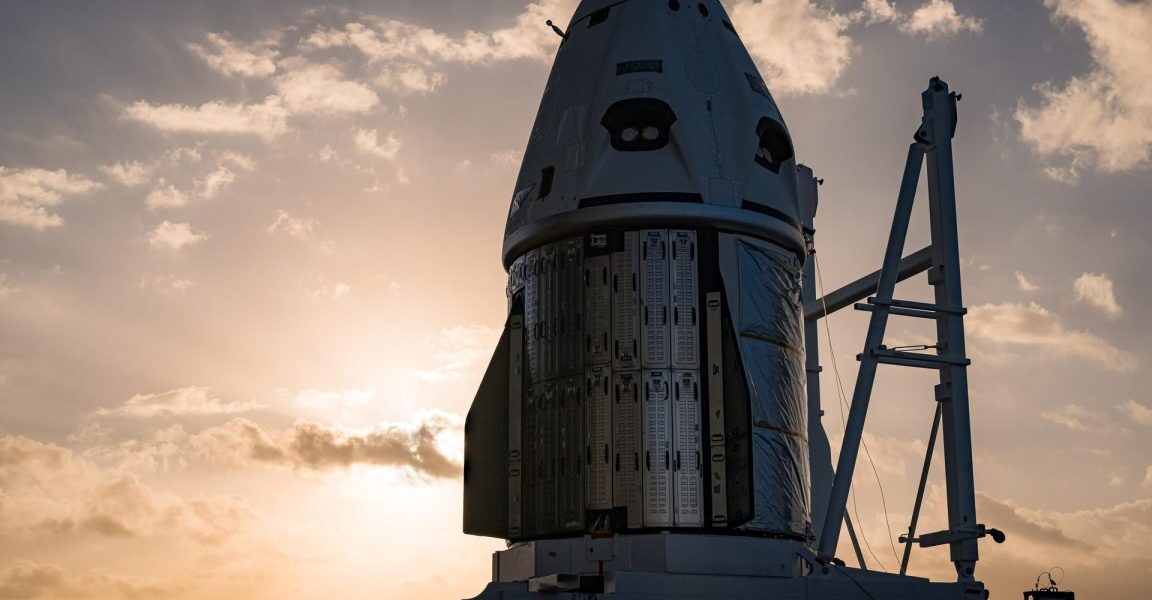
However, Boeing's Starliner, intended to complement SpaceX’s Crew Dragon, has struggled with delays and setbacks. In 2024, a critical test flight by Boeing was declared a Type A mishap, significantly impacting its timeline for crewed missions. Boeing is unlikely to launch another crewed mission before 2028.
With the ISS scheduled for retirement in the early 2030s, NASA must ensure it has reliable transportation options for astronauts heading to new private space stations that could be operational by then. This necessitates close collaboration between NASA and these emerging companies to develop safe and efficient transport systems.
NASA officials have expressed concerns about the potential risks of relying solely on SpaceX for crewed missions in the coming years. They emphasize the need for a diversified approach, with multiple providers capable of delivering astronauts safely to space stations. This strategy aims to mitigate any single-point failures that could jeopardize critical space operations.
The situation has prompted discussions within NASA about contingency plans and potential partnerships with other international space agencies or private companies. These measures are crucial as the agency seeks to maintain its commitment to human exploration in low-Earth orbit despite the challenges posed by Boeing’s delays.
Industry insiders have described the current scenario as a 'disaster waiting to happen,' highlighting the urgent need for alternative solutions. NASA officials stress that while SpaceX remains their primary provider, they are actively exploring other options to ensure continuous crewed access to space stations in the 2030s.
The delays and setbacks faced by Boeing underscore the complexities involved in developing reliable human spaceflight capabilities. As private companies like SpaceX continue to lead the way, NASA must navigate these challenges while maintaining its focus on long-term goals of exploration and scientific research.