Key Takeaways
- US President Trump has reimposed a naval blockade on Iran and declared the strait of Hormuz 'open'.
- He also announced a 20% tariff for all cargoes passing through the key maritime passage.
- Both sides engaged in heavy drone and missile exchanges, marking one of the most intense periods since an interim deal was negotiated.
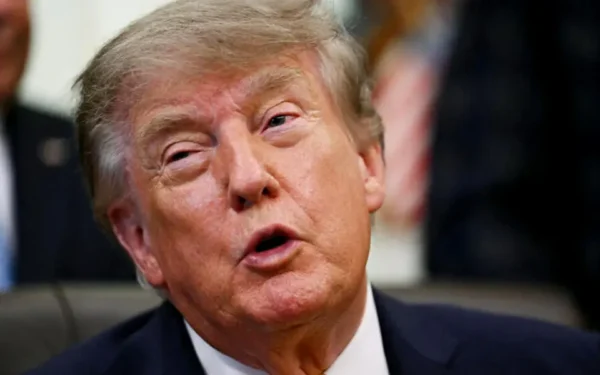
US President Donald Trump has renewed his aggressive stance against Iran by reimposing a naval blockade on the strait of Hormuz and demanding a 20% tariff for all cargoes passing through this crucial maritime passage. In a post on his Truth Social platform, Trump declared that the US would henceforth be known as the 'Guardian of the Strait of Hormuz', signaling a significant escalation in tensions between the two nations.
The move comes after Iran and the United States engaged in some of the heaviest drone and missile exchanges since an interim deal was negotiated to bring an end to their conflict. The intensity of these exchanges has raised concerns about potential military confrontation, with both sides showing no signs of backing down from their respective positions.
In a statement, Trump declared that the strait would remain open but under US control, effectively challenging Iran's own demands for a toll on ships passing through the strait. This development marks a significant shift in the dynamics of the ongoing Middle East crisis and could have far-reaching implications for global trade and security.
According to reports from Euronews, US forces struck dozens of targets in Iran and the Islamic Revolutionary Guard Corps (IRGC) retaliated by launching attacks on Bahrain, Jordan, Kuwait, and Oman. These strikes are described as the biggest exchange since a ceasefire was agreed upon in April, indicating that tensions remain high despite efforts at de-escalation.
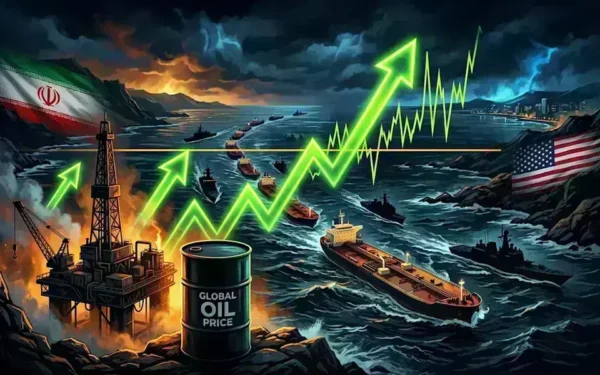
The reimposition of the blockade and tariff demands have sent shockwaves through international markets, with concerns growing about potential disruptions to oil supplies from the region. Analysts warn that any prolonged disruption could lead to significant economic repercussions, affecting not only regional but also global economies.
While both sides continue to engage in aggressive rhetoric, there is no immediate indication of a willingness to negotiate or de-escalate tensions. The situation remains volatile and unpredictable, with ongoing military activities and diplomatic efforts to prevent further escalation.
The renewed tension has drawn attention from the international community, with calls for restraint and dialogue to avoid a full-scale conflict. However, given the current dynamics, it appears that both sides are prepared to take firm action in defense of their interests.