Key Takeaways
- The White House has stated that a nuclear deal with Saudi Arabia is contingent on the country joining the Abraham Accords.
- Four Republican lawmakers voted in favor of a war powers resolution to limit US military action against Iran.
- Details of the potential US-Saudi nuclear agreement were first revealed by former President Trump via social media.
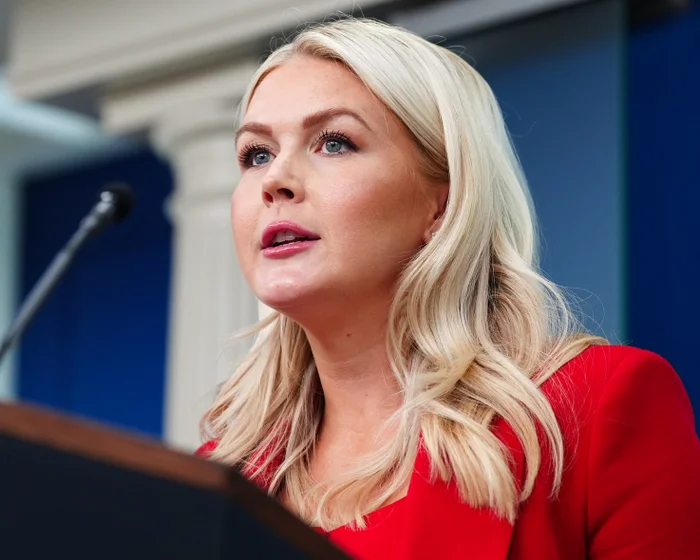
The White House has issued a stern warning that a proposed nuclear deal with Saudi Arabia is contingent on the kingdom joining the Abraham Accords, according to Karoline Leavitt, a spokesperson for the US administration. The Abraham Accords are a series of peace agreements between Israel and several Arab states, including Saudi Arabia.
Leavitt's statement came in response to ongoing negotiations over a potential nuclear cooperation agreement between the United States and Saudi Arabia. She emphasized that the deal is non-negotiable on this condition, highlighting the importance of regional stability and diplomatic relations as part of any future agreements.
The Abraham Accords, signed in 2020, have been pivotal in reshaping Middle Eastern geopolitics by normalizing ties between Israel and several Arab nations. However, the White House's insistence on Saudi Arabia joining these accords before finalizing a nuclear deal underscores the complex interplay of regional politics and international diplomacy.
In related developments, the US House of Representatives recently passed a war powers resolution aimed at curbing the Trump administration’s military actions in Iran. The resolution was approved by a narrow margin of 214-208, with four Republican lawmakers, Brian Fitzpatrick, Warren Davidson, Tom Barrett, and Thomas Massie, voting alongside all Democrats.
The vote reflects growing concerns among some US lawmakers about the ongoing military engagement in Iran and the potential for escalation. The resolution seeks to limit the president's ability to deploy troops or engage in hostilities without explicit congressional authorization, a move that has been met with mixed reactions from both supporters and critics of the policy.
It is worth noting that details of the potential US-Saudi nuclear agreement were first revealed by former President Donald Trump via social media. The revelation sparked debates over transparency and the handling of sensitive diplomatic information through unofficial channels.
The implications of these developments are far-reaching, particularly in light of ongoing tensions in the Middle East and the broader geopolitical landscape. Analysts suggest that the White House's stance on this issue could have significant ramifications for future US-Saudi relations and regional stability.