Key Takeaways
- Pakistan has regained a ‘B’ credit rating after nine years, according to S&P Global Ratings.
- The upgrade reflects stronger institutions and fiscal consolidation efforts under the IMF Extended Fund Facility.
- The stable outlook suggests continued progress in economic reforms.
Pakistan has secured an upgrade of its sovereign credit rating from ‘B-‘ to ‘B’ by S&P Global Ratings, marking a significant turnaround after nine years. This positive development was announced on 22 July 2026 and is seen as a testament to the country’s economic reforms and improved fiscal management.
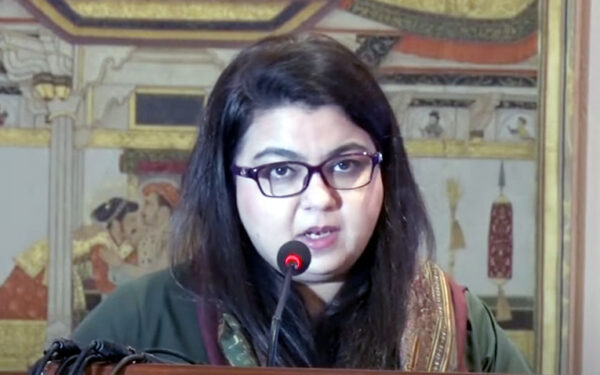
Adviser to the Finance Minister Khurram Schehzad confirmed the upgrade in a tweet, stating, “Pakistan has regained B Ratings after 9 years (last in 2016-17).” The upgrade also includes an improvement in Pakistan’s transfer and convertibility assessment from ‘B-‘ to ‘B’.
S&P Global Ratings cited several factors for the upgrade, including stronger institutions, fiscal consolidation, and the rebuilding of foreign exchange reserves. These improvements are attributed to significant progress made under the $7 billion IMF Extended Fund Facility (EFF), which has been instrumental in stabilizing Pakistan’s macroeconomic environment.
The agency noted that Pakistan has demonstrated a commitment to implementing reforms aimed at enhancing institutional capacity and fostering economic stability. According to S&P, these efforts have contributed to positive trends in key economic indicators such as nominal GDP growth and real GDP per capita growth.
Economic data provided by the report shows steady progress across various sectors. For instance, nominal GDP has grown from $300.4 billion in 2020 to an estimated $591.2 billion in 2029. Similarly, real GDP per capita has increased from $1,400 in 2020 to a projected $2,300 by 2029. Real investment growth and exports have also shown positive trends over the years.
However, challenges remain, particularly in areas such as unemployment rates, which have remained steady at 7% since 2023. The current account balance has fluctuated but shows improvement from a deficit of 4.7% of GDP in 2021 to a surplus of 0.9% by 2029. Net external financing needs and net external liabilities have also seen significant reductions, reflecting improved financial stability.
The stable outlook assigned by S&P Global Ratings suggests that the current positive trajectory is expected to continue. This upgrade could potentially open up new opportunities for foreign investment and improve Pakistan’s access to international capital markets. It is hoped that this will further support economic growth and development in the country.
In conclusion, the credit rating upgrade from S&P Global Ratings is a significant milestone for Pakistan, reflecting progress made under the IMF EFF and other economic reforms. The stable outlook indicates continued focus on maintaining these gains and addressing remaining challenges.
Pakistan has regained B Ratings after 9 years (last in 2016-17)
Adviser to the Finance Minister Khurram Schehzad, Adviser to the Finance Minister