Key Takeaways
- Coroner rules Nobby Stiles, 1966 World Cup winner, died due to brain damage from repeated heading of footballs.
- Stiles' death was not reported to authorities until recently, leading to a delayed investigation.
- The ruling highlights the long-term health risks associated with football heading.
Coroner's findings have revealed that Nobby Stiles, the tenacious midfielder who played a crucial role in England’s 1966 World Cup victory, died from a brain condition caused by repeatedly heading footballs. The ruling, which came to light only recently, underscores the potential long-term health risks associated with the sport.
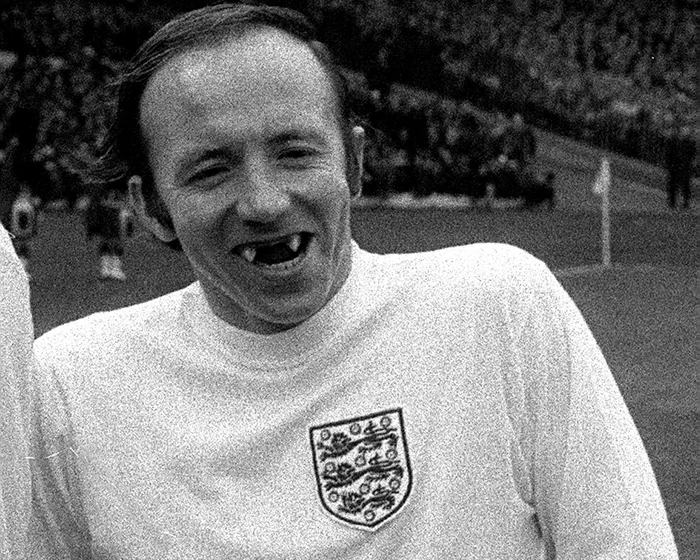
Stiles, known for his tough tackling and described by Geoff Hurst as 'the heart and soul' of the 1966 World Cup-winning team, passed away in 2020. However, his death was never reported to the coroner’s office, leading to a delay in the investigation into the cause of his passing.
The coroner's decision highlights the need for greater awareness and research into the long-term effects of heading footballs on players' health. While Stiles’ career spanned several decades, his legacy as a key player in one of England’s most celebrated victories is now overshadowed by this tragic revelation.
In light of the findings, there have been renewed calls for improved safety measures and guidelines to protect current and former footballers from similar long-term health issues. The ruling also prompts discussions about the responsibilities of sports organizations and governing bodies in ensuring that players’ well-being is prioritized.
The coroner's office has emphasized the importance of reporting all deaths promptly, especially those involving potential health risks. This case serves as a reminder for authorities to maintain vigilance and ensure thorough investigations into such matters.
While Stiles' contributions to football are celebrated, his untimely death from a condition linked to heading footballs raises significant concerns about player safety in the sport. The ruling has sparked debates on how best to address these issues moving forward.