Key Takeaways
- Chinese Foreign Ministry spokesperson Lin Jian rejected US President Donald Trump's claims that China interfered in the 2020 US elections.
- Trump alleged China acquired 220 million US voter files, calling it the largest compromise of election data in history.
- Lin Jian questioned who had wantonly interfered in other countries' internal affairs and conducted widespread surveillance.
Chinese Foreign Ministry spokesperson Lin Jian rejected United States President Donald Trump's claims that China interfered in the 2020 US elections during a press conference on July 17, 2026. According to Lin, the allegations were entirely fabricated and a malicious smear against China.
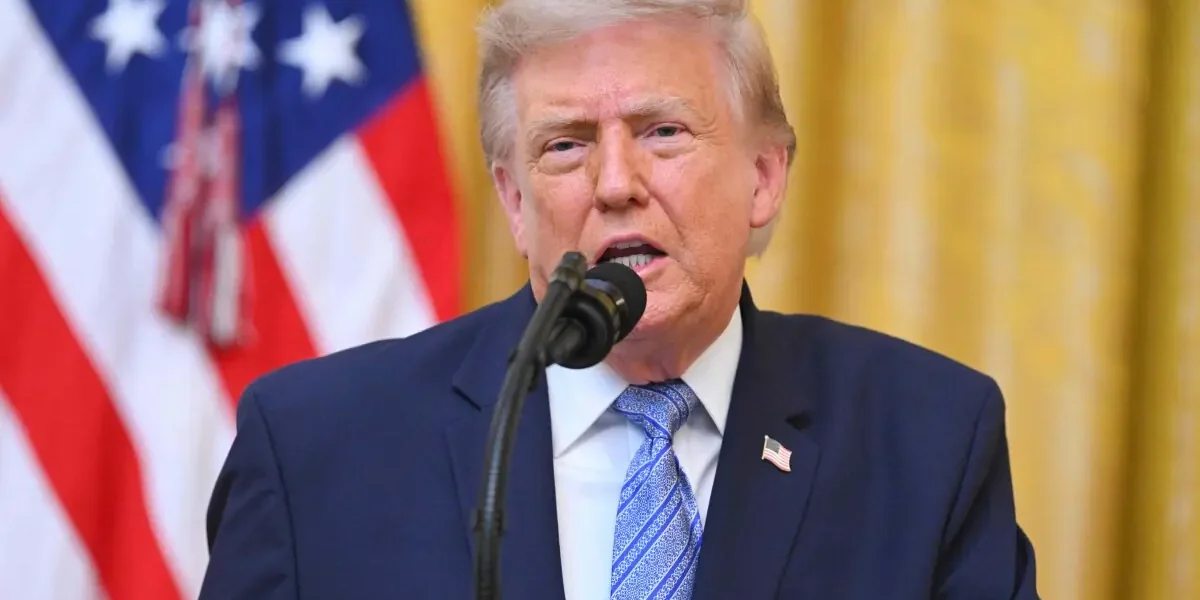
In his speech, Trump alleged that starting during the 2020 election cycle, China acquired 220 million US voter files, calling this 'the largest compromise of election data in history.' He further claimed that more than 250,000 non-US citizens were registered to vote in four states. These claims came as Trump urged lawmakers to adopt new restrictions on voting ahead of the upcoming mid-term elections scheduled for November.
Lin Jian stated, 'The US allegations have no factual ground and are aimed at vilifying China.' He added that China adheres to the principle of non-intervention in other states' internal affairs and has never interfered in the US elections. The spokesperson questioned who had wantonly interfered in other countries' internal affairs, conducted indiscriminate surveillance of governments, businesses, and the general public worldwide over a long period of time, and compromised citizens' data at a large scale.
Trump's claims were based on intelligence declassified by his administration, which he said showed widespread foreign interference and serious vulnerabilities in US election systems. However, Lin Jian maintained that similar accusations have been proved to be unfounded. He emphasized China's commitment to non-interference and the protection of its citizens' data.
The US is set to hold mid-term elections later this year. Trump's claims come as he seeks to rally support among his base ahead of these crucial elections, despite a lack of substantiation for his allegations. The 2020 election was previously disputed by Trump, who claimed it was 'rigged' but faced numerous legal challenges and investigations that found no evidence of widespread fraud.
Trump's address also included accusations against US broadcasters that refused to interrupt programming to carry his speech live, naming ABC and NBC as part of a plot. He said, 'They and others in the media are part of a plot,' implying they were involved in election-rigging attempts. However, these claims have not been substantiated.
The Chinese response underscores the ongoing tension between the US and China over allegations of interference in each other's internal affairs. Both sides continue to present their narratives without concrete evidence to support their claims.
The US allegations have no factual ground and are aimed at vilifying China.
Lin Jian, Chinese Foreign Ministry spokesperson
'They and others in the media are part of a plot.'
Donald Trump, US President