Key Takeaways
- $12 million grant to be allocated by US state department.
- Groups founded by Jacob Rees-Mogg and Toby Young will receive funding.
- Critics argue it misuses public money for foreign political influence.
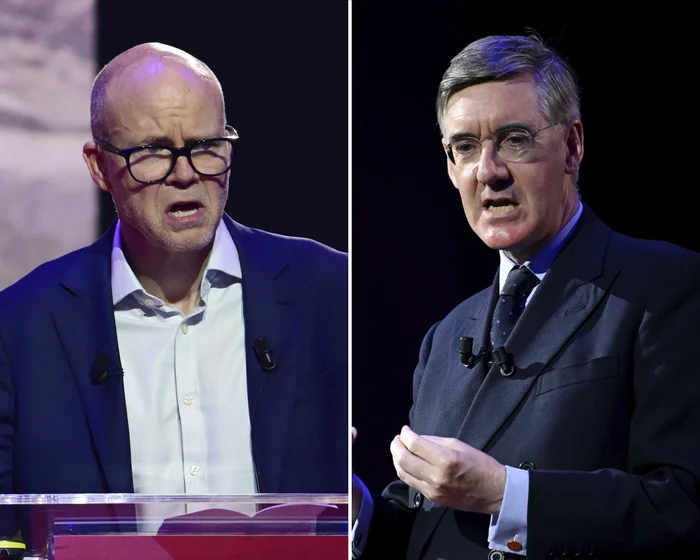
The United States Department of State has announced its intention to allocate $12 million in grants to organizations based in the UK, founded by prominent Conservative politicians Jacob Rees-Mogg and Toby Young. According to exclusive reports from The Guardian, these funds are part of a broader package aimed at supporting European groups aligned with the Trump administration’s policies.
The intended allocation has drawn criticism from former US officials who argue that it represents an inappropriate use of public money for foreign political influence. These critics contend that such funding could compromise the integrity and independence of the United States in its dealings with other nations, particularly those within the European Union.
Jacob Rees-Mogg, a senior member of the UK Conservative Party and former Cabinet Minister, has been at the forefront of efforts to strengthen ties between the US and UK. His colleague Toby Young, also a prominent Conservative figure, co-founded one of the organizations set to receive funding. Both men have long advocated for closer transatlantic relations and shared political values.
The grant is part of a larger initiative by the Trump administration to bolster conservative voices in Europe. This move has raised concerns among those who believe it undermines the principles of neutrality and impartiality that should guide US foreign aid. Critics argue that such funding could be seen as an attempt to sway public opinion or political outcomes in other countries, which is contrary to established diplomatic norms.
Former officials have expressed their reservations about the appropriateness of this funding. One former State Department official stated: 'It’s a dangerous precedent to use taxpayer money for political influence abroad. We should be focusing on genuine humanitarian and security needs rather than trying to shape foreign politics.'
The allocation of these funds has also sparked debates within both the UK and US governments about the role of public funding in international relations. Some argue that such support is necessary to strengthen democratic institutions, while others maintain it could lead to conflicts of interest or perceptions of bias.
As the announcement of this grant becomes public knowledge, it will likely face scrutiny from lawmakers and civil society organizations who are concerned about the implications for US foreign policy. The move has already prompted calls for transparency and accountability in how these funds are distributed and used.
It’s a dangerous precedent to use taxpayer money for political influence abroad.
A former State Department official