Key Takeaways
- Major Gulf stock markets fell as hostilities intensified.
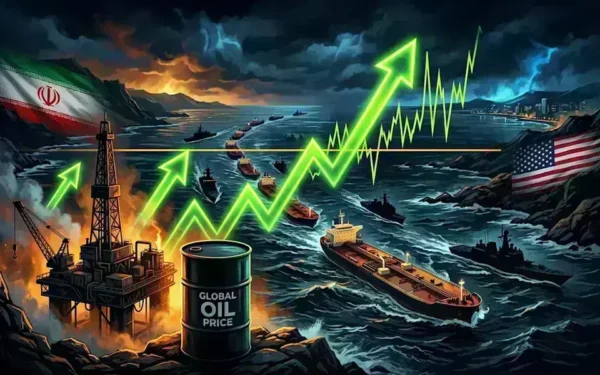
- Iran asserted control over the Strait of Hormuz, boosting oil prices.
- U.S. and Iranian forces engaged in strikes, raising global inflation fears.
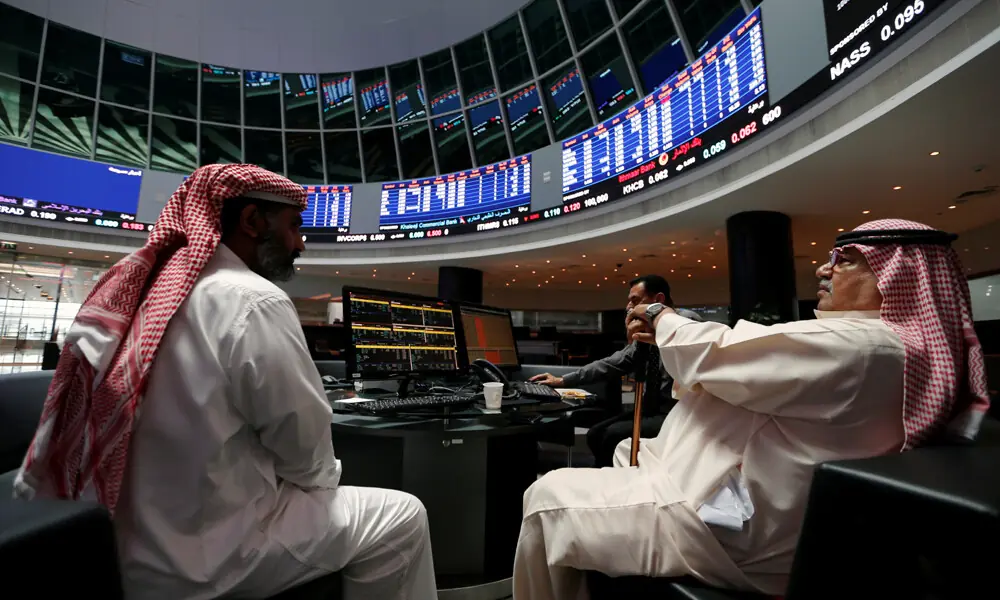
Major stock markets across the Gulf region experienced a downturn on Monday, reflecting heightened regional tensions following a series of military actions by both Iran and the United States. The escalating conflict has cast fresh uncertainty over an interim U.S.-Iran agreement aimed at reopening the Strait of Hormuz.
According to Central Command, U.S. forces launched another wave of strikes against Iran on Sunday, targeting dozens of sites across multiple locations with precision munitions. In response, Iran’s Revolutionary Guards claimed that they had retaliated by attacking U.S. military bases in Kuwait and Bahrain. These developments have sent oil prices higher, with Brent crude futures climbing $3.10 or 4.08% to $79.11 by 0325 GMT.
The widening conflict has also cast doubt on the future of an interim agreement signed last month between the U.S. and Iran, which sought to reopen the strait and bring about a cessation of hostilities following further negotiations. Saudi Arabia’s benchmark index eased 0.2%, with oil major Saudi Aramco falling 0.5%. Meanwhile, Dubai’s main share index declined 1.4%, dragged by a 2.6% slide in top lender Emirates NBD and a 1.4% decrease in blue-chip developer Emaar Properties.
In Abu Dhabi, the index fell 0.5%, with Abu Dhabi Islamic Bank losing 2.1%. The United Arab Emirates’ defence ministry reported that its air defense systems were responding to a missile threat on Sunday. Qatar’s stock market was closed as the nation mourned the passing of His Highness the Father Emir, Sheikh Hamad bin Khalifa Al Thani.
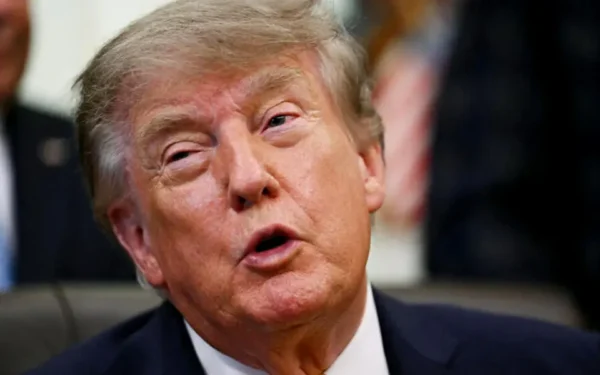
The Strait of Hormuz is a critical waterway through which about 20% of global oil supplies pass each day. Its closure or disruption could have severe economic repercussions for countries around the world, particularly those heavily reliant on imported oil. The U.S. President Donald Trump stated that despite Iran’s declaration, the strait remained open to commercial traffic.
The ongoing hostilities and their potential impact on global trade and energy markets continue to be closely monitored by financial analysts and policymakers. While the exact duration of these tensions remains uncertain, the immediate effect has been a significant drop in stock market values across the Gulf region.