Key Takeaways
- US and Iran renew attacks, threatening Middle East stability.
- Strait of Hormuz remains focal point of ongoing tensions.
- Iran threatens to halt compliance with framework agreement.
The fragile ceasefire between the United States and Iran has frayed significantly in recent days, as both nations have resumed hostilities. The renewed attacks, according to reports from Tehran, mark a significant setback for efforts to permanently end the conflict.
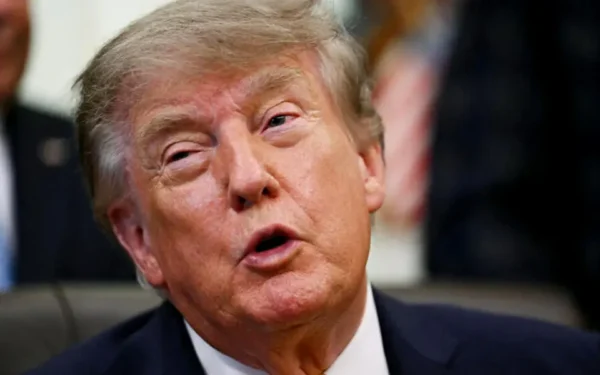
On June 17, 2026, US President Donald Trump and Iran's President Masoud Pezeshkian signed an interim agreement aimed at ending Middle East hostilities. However, disagreements over the Strait of Hormuz have led to renewed tensions, with Tehran accusing Washington of failing to meet its obligations under the memorandum.
In a statement, Esmaeil Baqaei, Iran's foreign ministry spokesman, declared that 'this document is in crisis.' He stated, 'Each time that the other party has failed to meet its obligations, we did not uphold ours,' indicating a mutual lack of trust and compliance. Despite this, Tehran continues talks with mediators from Qatar, Pakistan, and Oman, aiming to prevent further escalation.
The US Central Command (CENTCOM) reported that its forces had completed a barrage on dozens of Iranian targets overnight, using aircraft, naval vessels, and drones to hit 'dozens of targets at multiple locations.' The attacks were aimed at degrading Iran's ability to continue attacking international shipping through the Strait of Hormuz. CENTCOM stated, 'These actions are part of our ongoing efforts to protect freedom of navigation in the region.'
In response, Tehran launched its own series of attacks targeting Gulf nations, with the Revolutionary Guards announcing new strikes on Bahrain, Jordan, Kuwait, and Oman. Iran's Mehr news agency reported fresh blasts around midday on Monday, suggesting continued unrest.
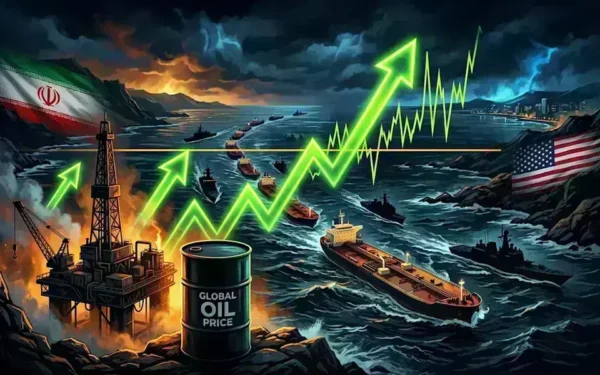
The renewed hostilities have raised concerns about the stability of the region. The Strait of Hormuz, a critical maritime passage through which one-fifth of the world’s oil supply passes, remains at the heart of ongoing tensions. Analysts warn that any further escalation could lead to a full-scale conflict, with severe economic and geopolitical ramifications.
While both nations continue to engage in talks, the current situation appears volatile. Tehran's foreign ministry spokesman emphasized, 'We will continue to act in this manner,' suggesting that Iran is prepared to maintain its stance unless Washington meets its demands. The US, for its part, has not commented on the latest developments but maintains a firm position against Iranian aggression.
The ongoing crisis highlights the complex and delicate nature of international relations in the Middle East. As both nations continue their confrontations, the future of regional stability hangs in the balance.
'There is no doubt that this document is in crisis.'
Esmaeil Baqaei, Iran's foreign ministry spokesman
'We will continue to act in this manner.'
Esmaeil Baqaei, Iran's foreign ministry spokesman