Key Takeaways
- Asian shares fell as oil prices rose due to tensions in the Gulf.
- Investors remain cautious ahead of key earnings reports, including those from major banks.
- Australian shares ended flat amid renewed Middle East conflicts.
Global share markets experienced a downturn on Monday following escalating tensions in the Gulf and Iran's claim to have closed the Strait of Hormuz. This development sent oil prices soaring, leading to increased inflation risks across the world.
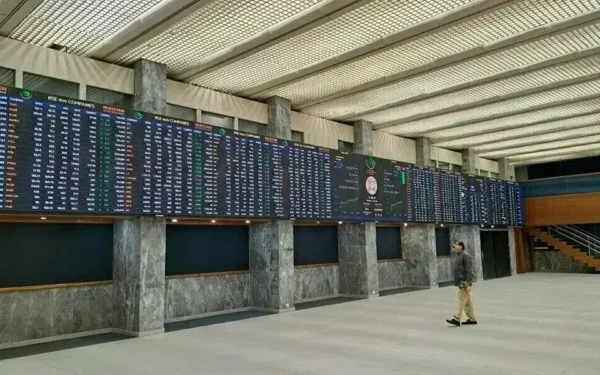
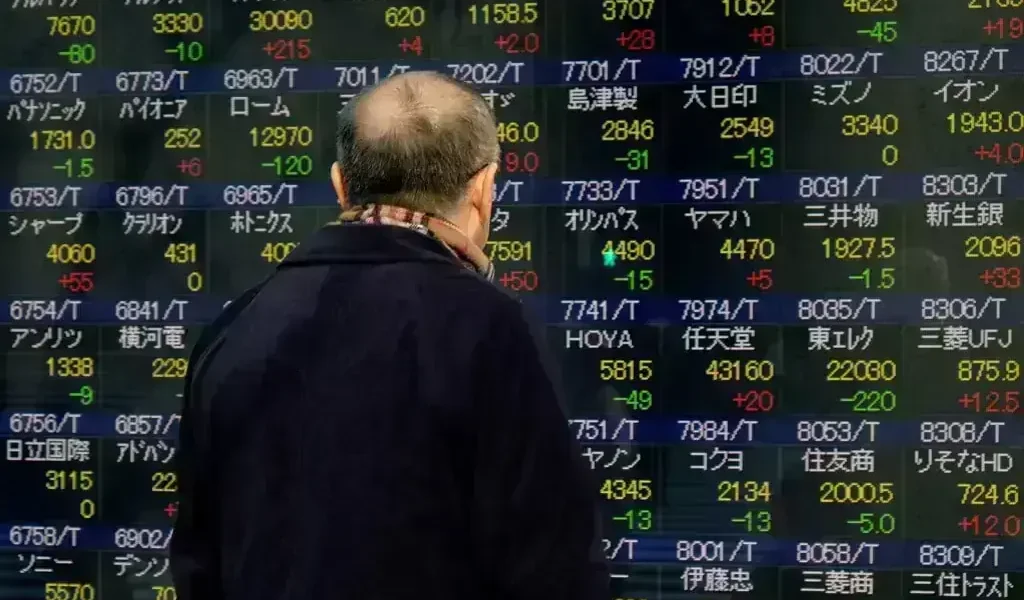
In Asia, equity indices took a hit as investors reacted to the potential disruption to energy supplies through one of the world’s most critical shipping lanes. The S&P 500 futures dipped by 0.6%, while Nasdaq futures lost 1.3%. In Europe, EUROSTOXX 50 futures fell 0.9%, and DAX futures declined by 1.0%.
The major banks in the United States are set to kick off their earnings season from Tuesday, with high expectations for AI-related profits. Analysts at Citi maintained an Overweight stance on global IT and the U.S., while suggesting that investors should pair these growth exposures with overweights in cyclical regions/sectors such as Japan, financials, and materials.
In Australia, the S&P/ASX 200 index closed unchanged at 8,808.50 points, after falling as much as 0.4% earlier in the session. The benchmark lost 0.4% last week. Renewed attacks in the Gulf over the weekend clouded the outlook for an interim U.S.-Iran deal signed in June to reopen the key route for a fifth of global oil and LNG shipments.
Australian gold miners fell by 1.9% after bullion prices dropped, while the broader mining sub-index also retreated, dragged down by a decline of 0.3% in bellwether Rio Tinto. Technology stocks also came under pressure, losing as much as 3.1% to a two-week low, with Siteminder and Xero falling 4% and 4.3%, respectively.
Utility stocks slipped 1.6%, marking their steepest fall in a week. Energy stocks rose by 0.7% to hit their highest level in three weeks, as concerns over disruptions to energy shipments through the Strait of Hormuz persisted. The spike in oil prices pushed 2-year Treasury yields to their highest since early 2025 at 4.2393%, while Fed fund futures slipped by 2 ticks, implying 39 basis points of policy tightening by the end of the year.
Analysts warned that the AI capital expenditure boom was eroding cash generation with hyperscalers having spent $234 billion this year and forward free cash flow expected to turn negative for the first time since at least 2007. Against this backdrop, many overlooked areas offer materially better value.
A slight index decline after a Hormuz closure declaration reads as fatigue with a known conflict rather than panic, though recent sessions have seen violent intraday reversals on macro headlines, so caution is clearly latent.
David Tuckwell, Chief Investment Officer at ETF Shares