Key Takeaways
- The United States and Saudi Arabia have signed a multi-billion dollar civilian nuclear cooperation deal.
- Energy Secretary Chris Wright and Saudi Energy Minister Prince Abdulaziz bin Salman signed the pact.
- Discussions on the deal spanned years, even under the Biden administration.
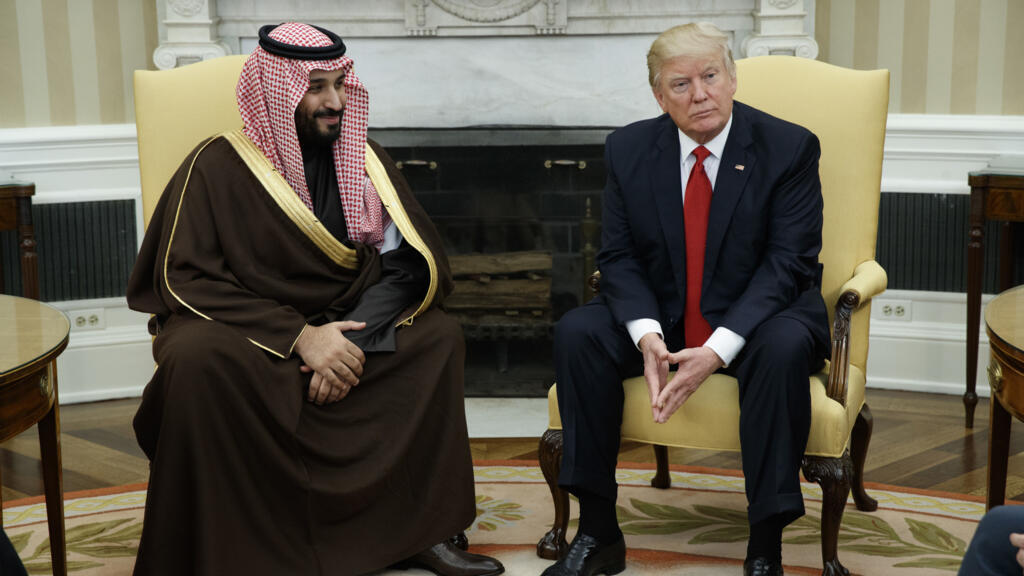
The United States has announced that it has reached a significant multi-billion dollar civilian nuclear cooperation agreement with Saudi Arabia. The deal was formalised through the signing of two key documents: a civilian nuclear cooperation pact and a bilateral safeguards agreement. These agreements were signed by Energy Secretary Chris Wright and Saudi Energy Minister Prince Abdulaziz bin Salman.
According to official statements, this development is part of ongoing discussions that have been in place even under the Biden administration. The deal aims to normalise relations between the two nations, which had faced challenges following the October 7th attacks.
While details of the financial terms and specific provisions are not disclosed, sources indicate that the agreement will facilitate cooperation on nuclear technology and energy projects. This is expected to have far-reaching implications for both countries' energy strategies and international standing.
The signing ceremony took place in a climate where there has been pushback from various quarters, including concerns over safety and geopolitical considerations. The deal is seen as a significant step towards normalising relations between the United States and Saudi Arabia, which had faced challenges following regional tensions.
Despite the positive developments, there are likely to be ongoing debates and discussions within both countries' legislatures and international communities regarding the implications of this agreement. Critics argue that such deals could pose risks to global nuclear non-proliferation efforts and regional stability.
The United States has expressed confidence in the safety measures and safeguards included in the deal, stating that they are designed to ensure compliance with international standards. However, these assurances have not fully quelled concerns from some quarters who remain skeptical about the potential impacts of such a significant agreement.