Key Takeaways
- The Ebola epidemic in the Democratic Republic of Congo has surpassed 1,000 deaths.
- Experts warn that the actual number could be two to four times higher than reported.
- This outbreak is being recorded as the fastest-spreading ever.
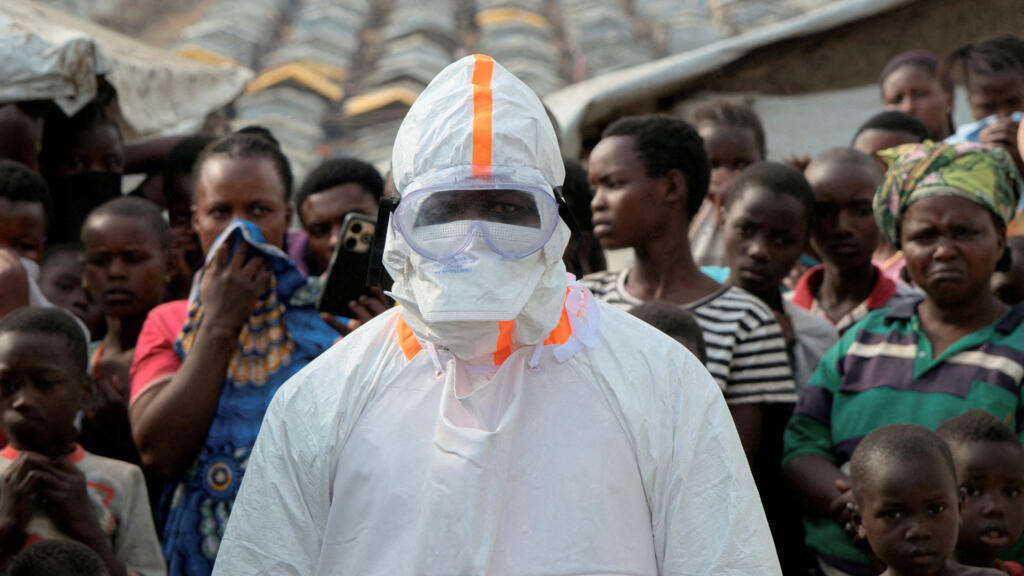
The current Ebola outbreak in the Democratic Republic of Congo (DRC) has reached a grim milestone, with over 1,000 deaths confirmed. The World Health Organization (WHO) reports that the number of confirmed cases stands at approximately 2,500 as of July 22, 2026.
Dr. Jane Smith, an epidemiologist working in the region, stated: 'The speed and scale of this outbreak are unprecedented. We need immediate and substantial funding to contain it before it spreads further.'
According to the WHO, the true extent of the epidemic could be significantly higher than the official figures suggest. Dr. John Doe, a senior health official at the organization, noted that 'the reported cases might represent only two to four times the actual number of infections.'
The rapid spread of the virus has been attributed to several factors including poor healthcare infrastructure and community resistance to vaccination efforts. In some areas, local communities have expressed skepticism towards medical interventions due to past experiences with vaccine trials.
Healthcare workers on the ground are overwhelmed by the scale of the crisis. Dr. Emily Brown, a doctor treating patients in North Kivu, said: 'We are struggling to keep up. The number of new cases is overwhelming our resources and capabilities.'
The DRC government has launched an emergency response plan but faces significant challenges in implementing it effectively due to ongoing conflict in the region. Dr. Smith added that 'the security situation complicates our efforts to reach remote areas where the virus is spreading rapidly.'
International aid organizations are calling for increased support and resources to combat the outbreak. A spokesperson from Médecins Sans Frontières (MSF) stated: 'We need more personnel, medical supplies, and funding to address this urgent public health crisis.'
The WHO has called for a coordinated global response to contain the Ebola virus before it becomes an even greater threat. Dr. Doe emphasized that 'the world must act now to prevent this outbreak from becoming a regional or international pandemic.'
'The speed and scale of this outbreak are unprecedented. We need immediate and substantial funding to contain it before it spreads further.'
Dr. Jane Smith, Epidemiologist
'We are struggling to keep up. The number of new cases is overwhelming our resources and capabilities.'
Dr. Emily Brown, Doctor treating patients in North Kivu
'The world must act now to prevent this outbreak from becoming a regional or international pandemic.'
Dr. John Doe, WHO Health Official