Key Takeaways
- Pakistan faces increased risks of extreme weather and water shortages.
- El Nino is expected to continue through February 2027, with a 100% chance of persistence.
- Government urged to strengthen coordination and early warning systems.
Pakistan is bracing for a series of weather-related challenges as a strong El Nino event develops, according to the World Meteorological Organization (WMO).
The WMO has stated that El Nino is now firmly established in the tropical Pacific and is expected to strengthen further, with a nearly 100% chance of continuing through February 2027.
For Pakistan, the biggest concern is the potential impact on the monsoon season, which is generally associated with reduced summer monsoon rainfall in strong El Nino years.
This could exacerbate the country's already strained water resources, affecting agriculture, irrigation, and food prices. A weaker monsoon could lead to prolonged water shortages, compounding existing issues.
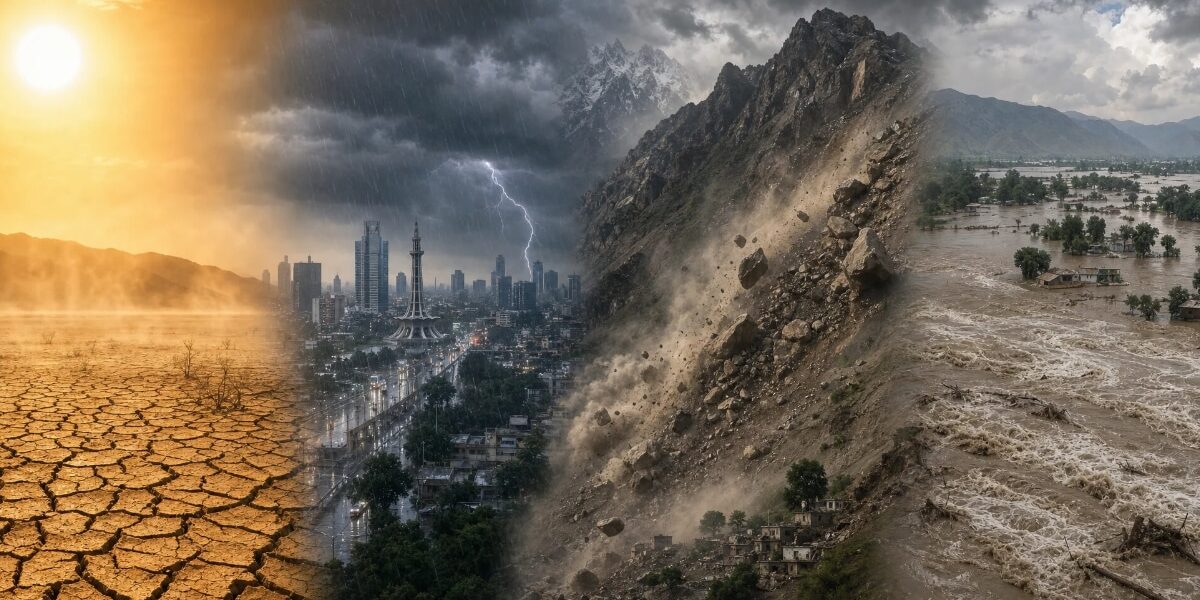
El Nino is also expected to increase global temperatures, potentially intensifying heatwaves and adding to Pakistan's existing climate risks.
The WMO has warned that the developing event could increase the likelihood of heatwaves, droughts, and extreme rainfall in different parts of the world, underscoring the need for preparedness.
To mitigate the impact of El Nino, the government should strengthen coordination between the Pakistan Meteorological Department (PMD), the National Disaster Management Authority (NDMA), provincial disaster management authorities, irrigation departments, agriculture authorities, and health agencies.
Early warning systems should be enhanced to trigger practical measures, including the deployment of rescue teams, preparation of hospitals, protection of vulnerable communities, and timely guidance for farmers.
Water storage remains a critical priority. Small dams, rainwater harvesting systems, and groundwater recharge projects can help capture water during periods of heavy rainfall and improve availability during dry spells.
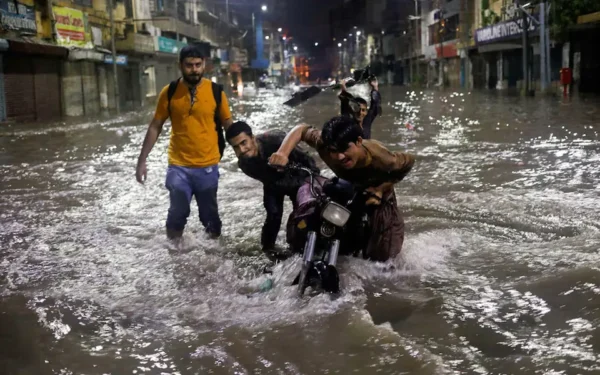
Cities also need better protection against flooding. Natural drainage channels and waterways should be protected from encroachment, while urban planning should account for both extreme rainfall and prolonged heat.