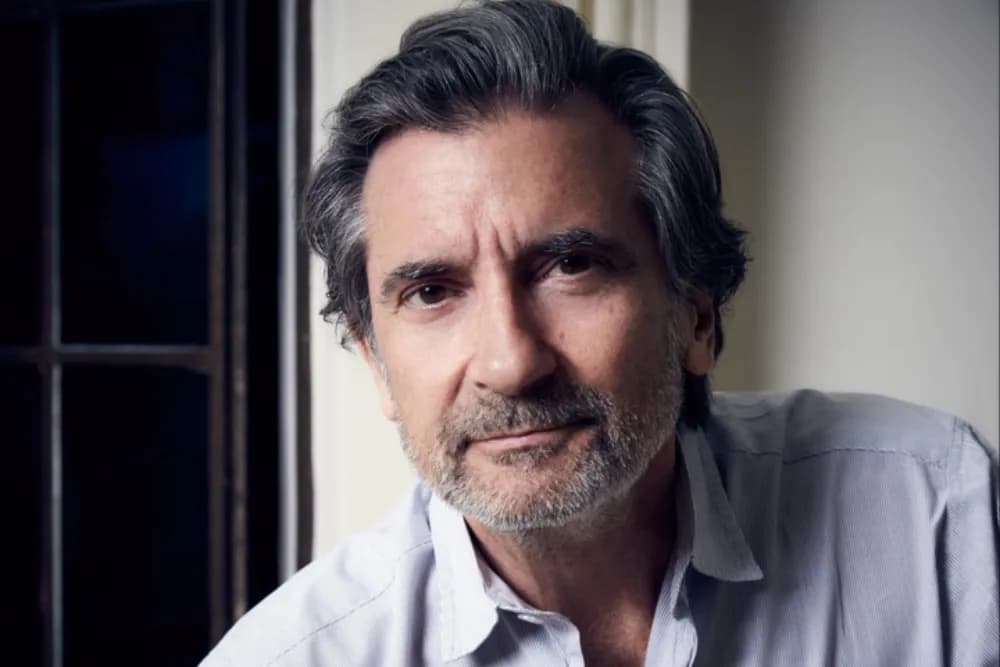
Director Griffin Dunne expressed his appreciation for the recent resurgence of interest in his films "Practical Magic" and "An American Werewolf in London." Dunne noted that while he does not know exactly when the trend began, the conversation regarding "Practical Magic" started to pick up steam approximately 10 years ago, particularly around Halloween. He recalled seeing memes for "midnight margaritas" and noted that his friends' daughters reacted strongly when learning he directed the film.
Dunne described himself as the "king of lapsed love," noting that both "Practical Magic" and "An American Werewolf in London" were not as popular at the time of their release as they became years later. He expressed a desire for people to rediscover his other works, "Addicted to Love" and "Lisa Picard Is Famous." Dunne expressed amazement that few people have heard of the Meg Ryan film, which he says was "incredibly well reviewed at the time." He noted that Warner Bros. did not even have a copy of the film when he called them, and he expressed concern that the movie will become more obscure as Warner Bros. is going to be owned by Paramount.
Regarding "Lisa Picard Is Famous," Dunne stated it came out during 9/11, which he believes resulted in people not wanting to see a comedy about out-of-work actors, despite him calling it the funniest movie he ever made.
Dunne is scheduled to travel to Poland to receive the Indie Star Award at the TAURON American Film Festival. He previously visited the country in 1980 to film "The Wall," during which he was caught up in the Solidarity movement for three months. He recalled being stuck there when martial law was declared, meeting future "Practical Magic" cast members Rosanna Arquette and Dianne Wiest, and forming a lifelong friendship with Tom Conti. He described the experience as "insane," noting that many crew members were arrested and military personnel had to stand in for them while spies were present.
Reflecting on the industry, Dunne stated that the indie scene has changed dramatically. He noted that while there was once a community of independent filmmakers and it was not difficult to find investors for original stories, it is now very difficult to get a distributor, and even that does not guarantee a significant theater release. He expressed worry that mergers will lead to a lack of space for controversy, fearing that companies will not include stories that "offend the red states in America." He observed that a "guy in the office" has drummed up hostility toward Hollywood and "the elites," leading to a climate where actors and directors are expected to keep their opinions to themselves.
Despite these concerns, Dunne cited the documentary "You Can See Everything" as a source of optimism because people were lining up around the block to see it. He compared this to people lining up for a bagel he saw on TikTok in the East Village, stating that cinema needs a younger audience. He noted that being told a story is "tough to sell" by agents or executives is a sign that a filmmaker is on the right track with an original story.
In recent years, Dunne has shared more about his family in his memoir "The Friday Afternoon Club: A Family Memoir" and the documentary "Joan Didion: The Center Will Not Hold." He stated he felt ready to do this and was proud that the documentary introduced his aunt to a younger audience. Dunne also discussed his lifelong interest in obituaries, noting his fascination with how they condense a life. He recalled that when his father died on the same day as Senator Edward Kennedy, he wanted the obituary on the front page of The New York Times and admitted to lying for a day and a half that his father was still alive.