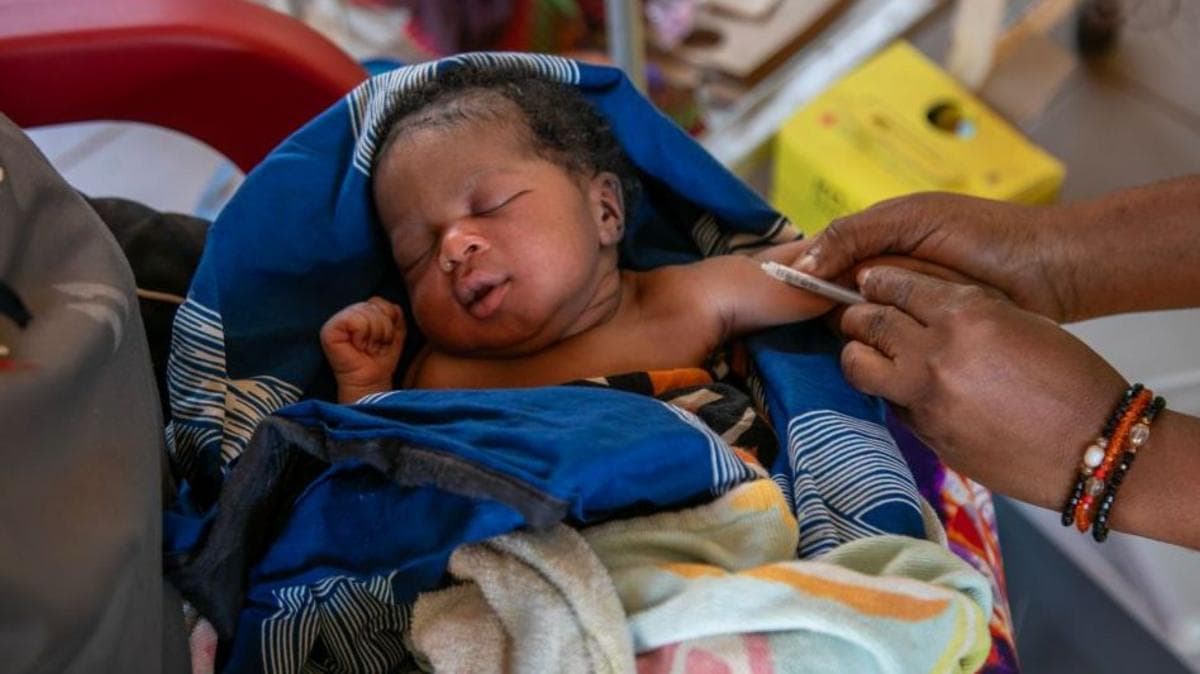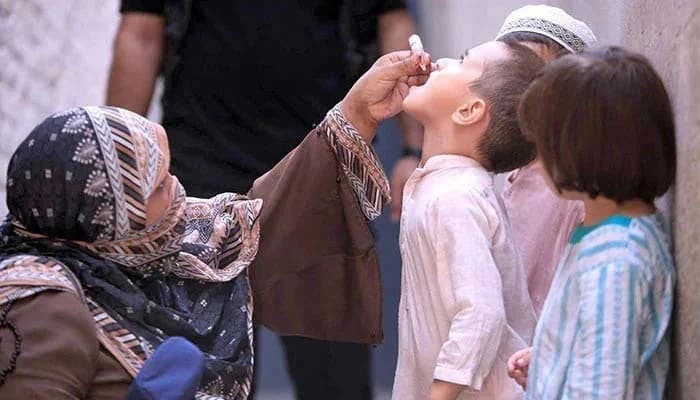
Pakistan has confirmed its ninth polio case of 2026 following the infection of a seven-month-old boy in the Khyber district of Khyber Pakhtunkhwa. The National Emergency Operations Centre (NEOC) for Polio Eradication stated on Thursday that the infected child belongs to Union Council Mastak in Bara tehsil.
The NEOC reported that this marks the third case in the Khyber district this year and the seventh in Khyber Pakhtunkhwa. Genetic analysis of all three cases from the Khyber district showed linkages to strains circulating in Afghanistan, which is currently facing an intense outbreak of 50 cases reported this year, indicating cross-border circulation of the virus. Health officials noted that these links highlight the continued threat of cross-border transmission between the two nations.
While the number of cases has declined to nine this year from 74 in 2024 and 31 in 2025, officials warned that the threat remains. Environmental surveillance has detected poliovirus in sewage samples from the Peshawar block, which includes the Peshawar and Khyber districts. The NEOC stated that while overall wild poliovirus transmission has declined this year, the Peshawar block — comprising Khyber and Peshawar districts and bordering Afghanistan — and neighbouring districts in southern KP continued to report virus detections, including cases.
The World Health Organisation (WHO) has identified Pakistan and Afghanistan as a single epidemiological block, noting that transmission in either country poses risks to the other. The WHO expressed concerns over restrictions affecting house-to-house vaccination campaigns in Afghanistan, particularly in southern provinces, where vaccination activities have largely been conducted at designated sites rather than through household visits. Such arrangements can leave children unvaccinated, particularly infants and those living in remote communities, increasing the risk of continued poliovirus transmission.
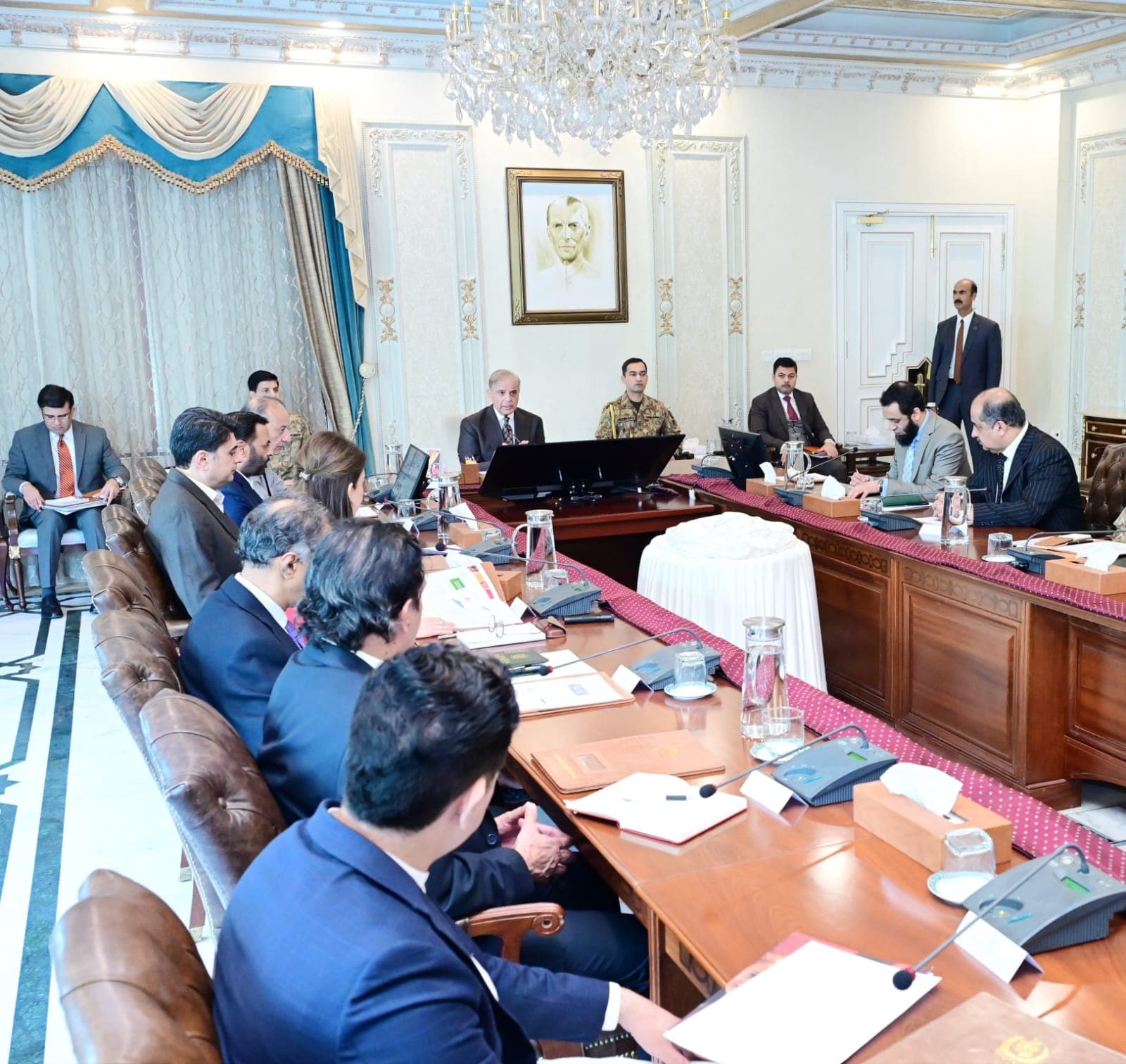
In response to the recent cases, Prime Minister Shehbaz Sharif chaired a meeting in Islamabad to review eradication progress. The Prime Minister expressed concern and directed authorities to prepare a coordinated action plan with the provinces within a week. He stated, "Achieving a polio-free Pakistan is a major challenge. However, our resolve and morale are far stronger than this challenge." He ordered the federal health minister and other officials to visit all four provinces to consult with chief ministers and chief secretaries.
The Prime Minister also directed authorities to improve routine immunisation coverage, particularly in polio-affected areas, and to ensure security and uninterrupted access for vaccination teams. He noted that cross-border movement from Afghanistan is a major factor in the spread of the virus.
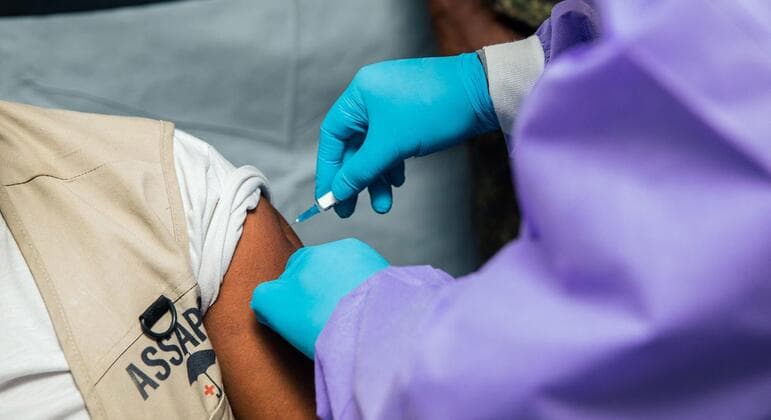
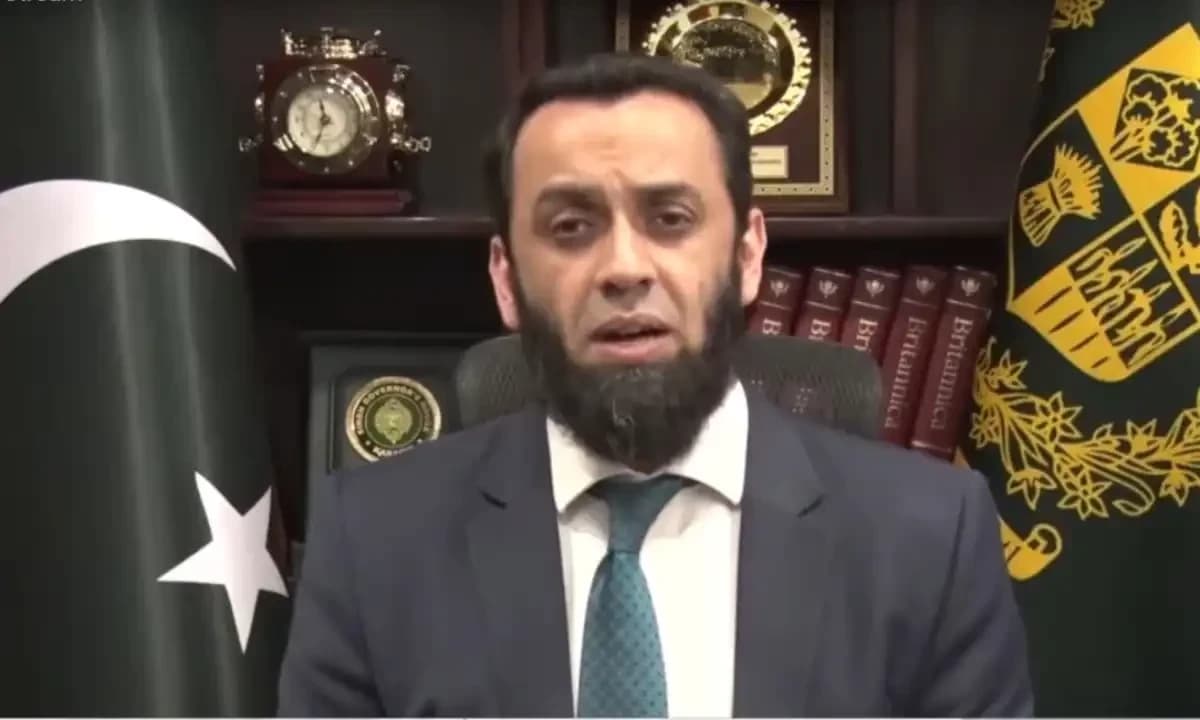
The government is currently conducting a seven-day vaccination campaign from November 2 to 8, targeting approximately 24 million children under five across 97 districts. Federal Health Minister Syed Mustafa Kamal urged parents to ensure every eligible child receives the oral polio vaccine during this period.
Regional data provided to the meeting showed that no new polio cases have been reported from Punjab since February 2025, and Balochistan reported no cases in 2025 and 2026. Azad Jammu and Kashmir (AJK) and Gilgit-Baltistan remain polio-free. Additionally, the meeting was informed that the quantity of poliovirus detected in environmental samples from Sindh has declined this year.