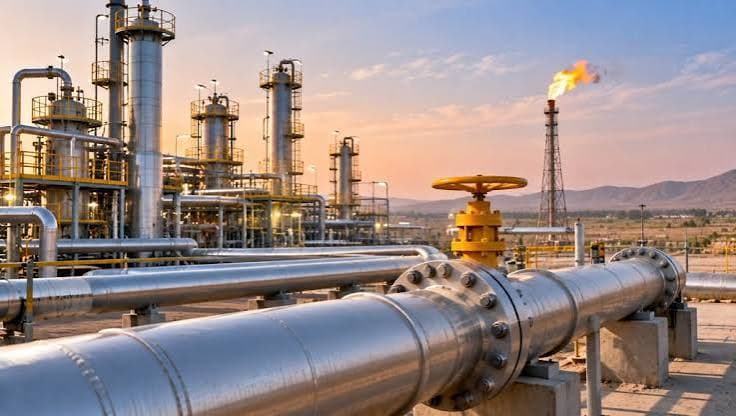
The government has introduced a framework to regulate the liquefied petroleum gas (LPG) sector by curbing undocumented imports, tightening quality controls, and enhancing safety across the supply chain.
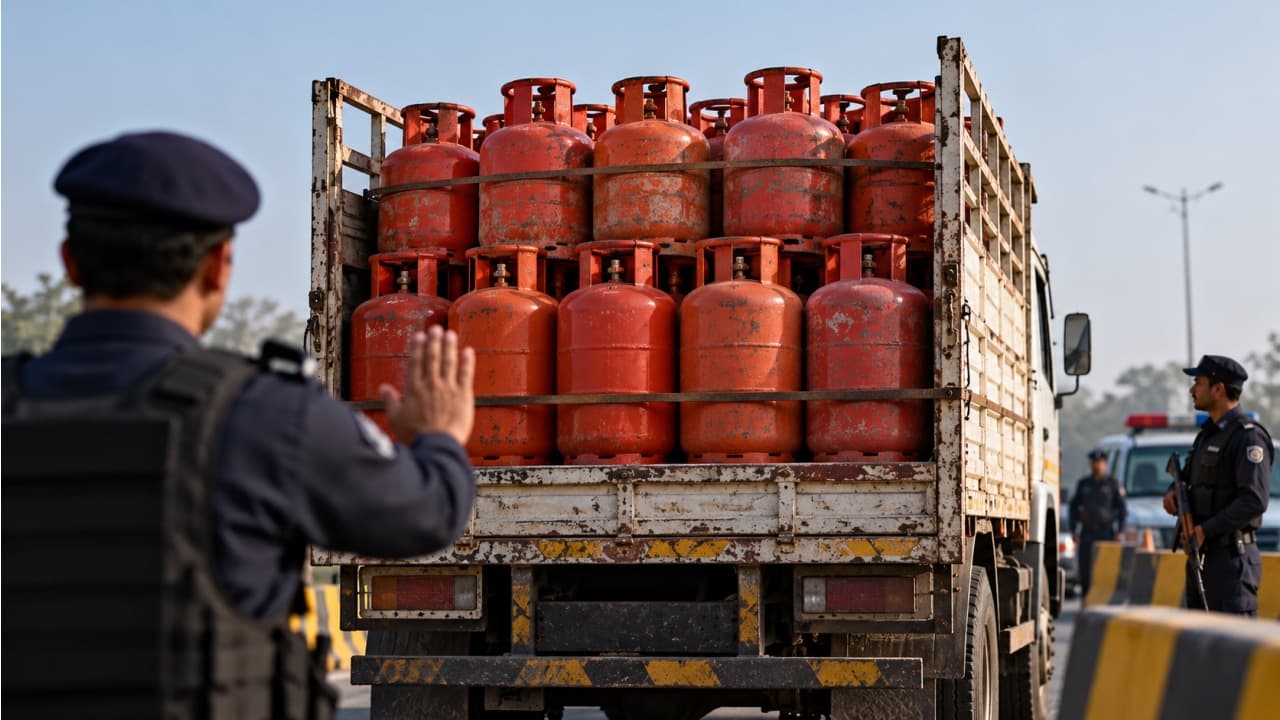
A Cabinet summary highlights that more than half of the nation's LPG supply enters through land crossings that currently lack testing facilities. Inspections conducted by the Oil and Gas Regulatory Authority (OGRA) and the Heavy Industries Development and Promotion (HDIP) at Taftan have already identified substandard products.
The lack of adequate safety infrastructure at border crossings has led to repeated explosions during decanting, resulting in over 60 fatalities since 2020. Undocumented LPG inflows currently allow traders to evade customs duties, the Petroleum Levy, and sales tax. The Cabinet summary also estimates that 56 percent of the approximately 2,000 LPG bowsers operating in the country are unlicensed.
New guidelines direct OGRA to establish HDIP and Pakistan Council of Scientific and Industrial Research (PCSIR) laboratories, along with National Environmental Protection Authority (NEPSA) satellite offices, at land entry points by 30 June 2027. LPG volumes will be prohibited from entering any port without undergoing spot testing after that deadline.
OGRA will be tasked with auditing the sales volumes of licensees against their licensed storage, cylinder circulation, and filling capacities. The regulations will restrict cylinder filling to licensed plants and prohibit transfers between bowsers. Cylinder standards will be improved through periodic requalification of manufacturers, a ban on unregistered empty cylinders, and the use of barcoding and embossing.
OGRA and Federal Board of Revenue (FBR) Customs will collaborate to measure and control undocumented inflows. Enforcement action against non-compliant bowsers is scheduled to remain suspended until 30 June 2027. OGRA may convene product review meetings to assess winter stock requirements, import plans, and supply-chain conditions.
The authority may also direct state-owned marketers and importers to arrange specific volumes to maintain the demand-supply balance.