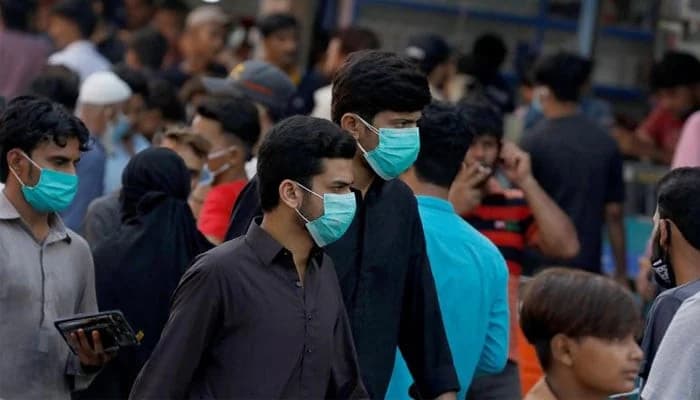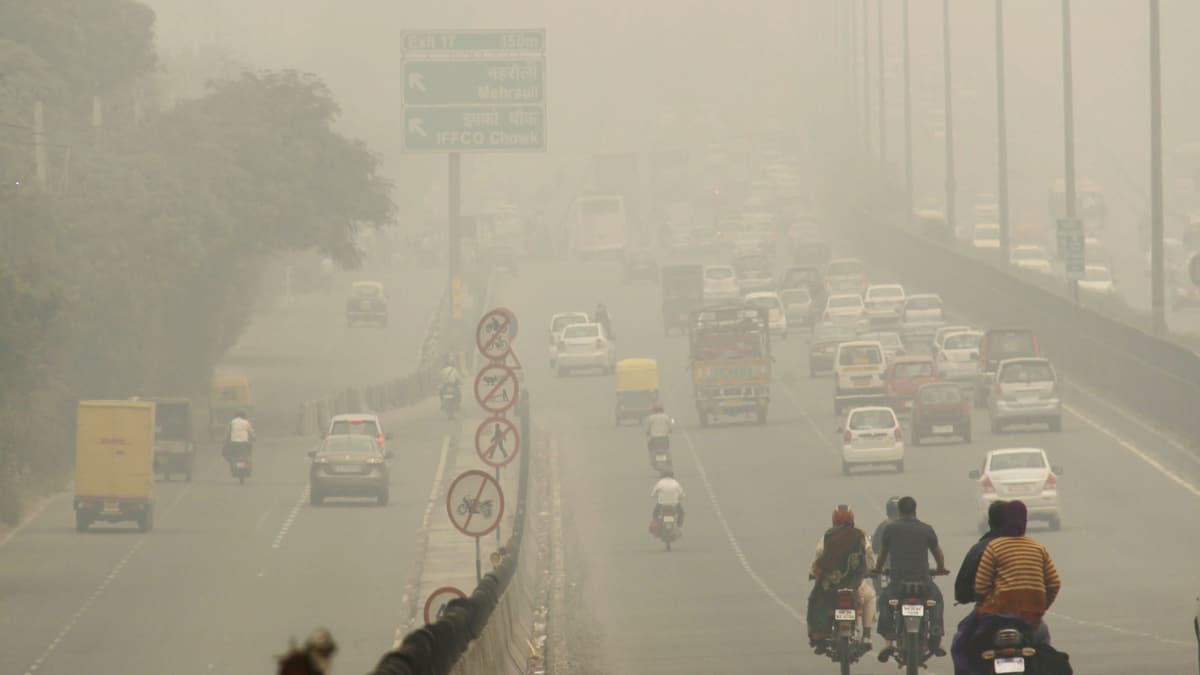
Air pollution causes more than 200,000 deaths annually in Pakistan. In 2023, 56,725 deaths among children under five were attributed to air pollution, resulting in the loss of 5.1 million healthy years of life for that age group.
Every person in Pakistan lives in an area where annual average concentrations of fine particulate matter (PM2.5) exceed 15 micrograms per cubic metre. Furthermore, 92 per cent of the population resides in areas where PM2.5 concentrations surpass 35 micrograms per cubic metre.
In Punjab and Khyber Pakhtunkhwa, 76.6 million children live in regions where average PM2.5 concentrations exceed 35 micrograms per cubic metre. The November 2024 smog episode affected 16 million children and forced the closure of schools in 18 Punjab districts.
Bolormaa Amgaabazar stated that South Asia accounted for 2 million of the 7 million premature deaths attributed to air pollution globally, noting that the region is home to 9 of the world’s 10 most polluted cities. Amgaabazar also noted that the Punjab Clean Air Programme is valued at $300 million, while a $1.26 billion package covers five countries in the Indo-Gangetic Plain and Himalayan foothills airshed.
Dr Mohsina Zubair said the Pakistan EPA prepared an implementation plan covering 90 policy actions across eight sectors and submitted a $3 million to $5 million grant application to the Climate and Clean Air Coalition. Azad Akram stated that the Punjab Clean Air Programme became effective in June 2025 and plans to buy back 900 heavily polluting vehicles.
The programme includes a subsidy scheme for 5,000 super seeders, where the government pays 60 per cent of the cost and farmers pay 40 per cent. Farmers using super seeders receive a rental subsidy of Rs5,000 per acre.
Azad Akram added that the programme plans to procure 600 electric buses, while the Punjab provincial government launched another 2,700 electric buses. The programme received 607,000 applications for 120,000 electric two-wheelers and three-wheelers, with a target of 100,000 vehicle deliveries by June.
Dr Imran Hamid Sheikh said more than 13,000 industrial units in Punjab have been digitally mapped and placed under surveillance. Over 85 per cent of industrial units in Punjab have installed emission-control systems.
Crop-residue burning in Punjab declined by more than 35 per cent over two years.