Key Takeaways
- Police arrested Abhijeet Dipke, leader of the 'Cockroach' movement, and others.
- Tens of thousands of protesters defied a heavy security clampdown in New Delhi.
- The protest was against the removal of 130 million names from India's electoral roll.
Police in New Delhi have detained thousands of people, including the leader of the 'Cockroach' movement, Abhijeet Dipke, as they cracked down on a protest against the removal of 130 million names from India's electoral roll.
The 'Cockroach' movement, a youth-led satirical party, organized a rally to protest against the Election Commission's decision to remove names from the electoral roll, a move that has sparked widespread anger and frustration among voters.
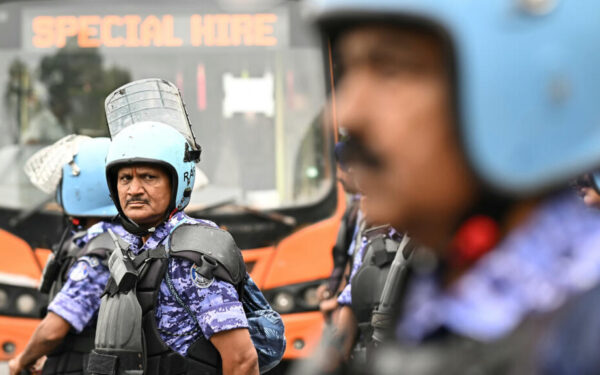
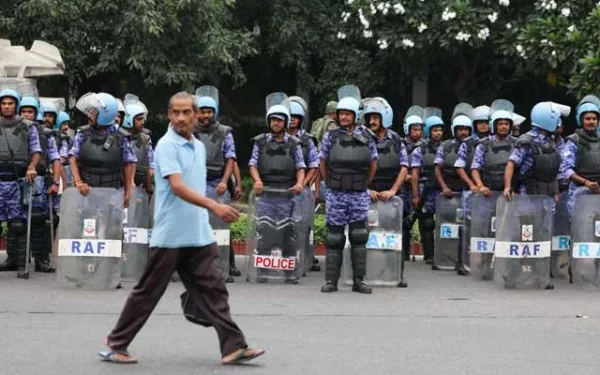
According to reports, authorities imposed a strict lockdown in the capital to prevent the rally from taking place, with thousands of people from across India blocked from attending the demonstration.
Abhijeet Dipke, the leader of the 'Cockroach' movement, was among those detained by police. The party claims that this is the first time such a large-scale crackdown has been seen in India.
Subir Sinha, director of the SOAS South Asia Institute, described the situation as 'unprecedented,' highlighting the scale and intensity of the government's response to the protest.
The protest, which was called by the 'Cockroach Janata party' (CJP), aimed to draw attention to the impact of the electoral roll exercise on millions of Indian citizens who have lost their voting rights.
Protesters defied the heavy security presence, with hundreds of people detained as they attempted to gather in the city center. The police used force to disperse the crowd, leading to clashes and arrests.
The Election Commission's decision to remove 130 million names from the electoral roll has been met with widespread criticism, with many arguing that the process was flawed and lacked transparency.
The 'Cockroach' movement, known for its satirical approach to politics, has gained significant traction in recent months, with its members using humor and social media to criticize the government and mobilize support for their cause.
This is unprecedented.
Subir Sinha, Director of the SOAS South Asia Institute