Key Takeaways
- Pakistan Institute of Medical Sciences (PIMS) has identified several problems with the government's EPADS 2.0 system.
- Issues include missing drug items in procurement documents and inadequate technical bid visibility.
- PIMS has asked the Public Procurement Regulatory Authority (PPRA) to address these concerns.
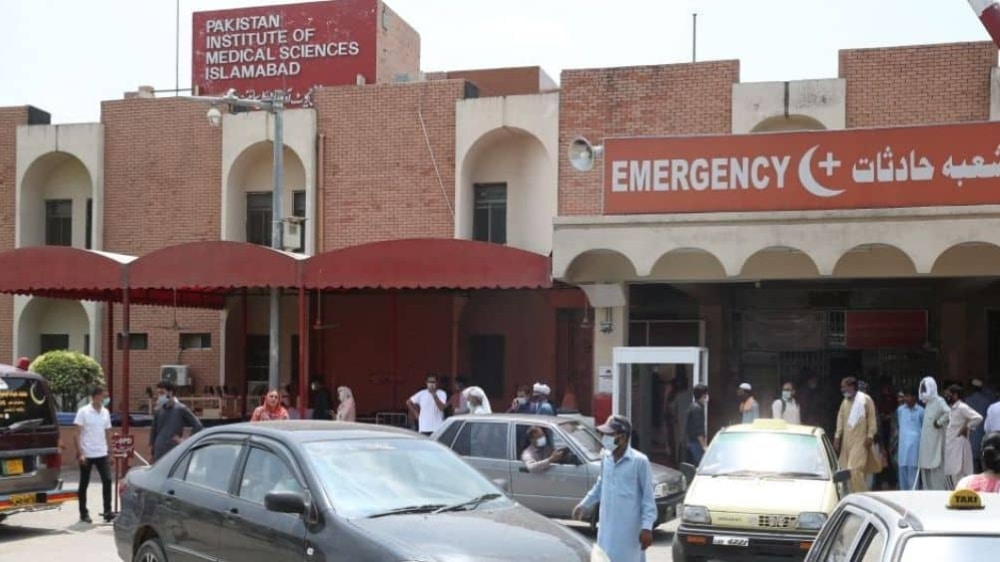
Pakistan Institute of Medical Sciences (PIMS) has reported significant issues with the government’s Electronic Public Procurement and Disposal System (EPADS) 2.0, highlighting problems that are complicating procurement processes instead of streamlining them.
According to correspondence sent by PIMS to the Public Procurement Regulatory Authority (PPRA), the system is failing to prequalify suppliers for bulk purchases of medicines. PIMS entered 472 drug and medicine items into EPADS 2.0, but the items are allegedly missing from the Standard Bidding Documents downloaded from the system.
PIMS has asked PPRA to resolve the issue before the prequalification advertisement is published, as bidders may not be able to determine the full scope of the procurement. The hospital has written to PPRA multiple times regarding these problems encountered while using the new system.
Another issue concerns the display of names. EPADS shows the names of individuals rather than participating firms when technical bids are opened. PIMS has asked PPRA to ensure that the names of bidding companies are shown.
The Grievance Redressal Committee (GRC) is also facing difficulties. Technical bids and the Technical Evaluation Report are not visible to the GRC through the relevant Procurement Committee or Procuring Agency accounts. The institute has questioned how the committee can properly decide procurement complaints without access to the underlying bid and evaluation records.
PIMS has raised concerns about the system requiring procuring agencies to provide a tentative financial bid opening date when uploading or announcing the Technical Evaluation Report. The system also does not generate a technical comparative statement while preparing the Technical Evaluation Report, and several other supporting procurement reports are reportedly unavailable through EPADS.
The hospital has also flagged issues in Request for Quotation (RFQ) and petty procurement. According to PIMS, the system allows winners to be declared for procurements exceeding the Rs500,000 threshold. PIMS has sought clarification on cases where a successful firm fails to endorse the Letter of Intent or does not supply the awarded goods or services.
PIMS has separately reported difficulties in advertising equipment maintenance tenders that also include spare parts. The system has been in use since 2019, with over Rs2 billion in World Bank-funded expenditure, but operational problems continue despite years of development.
Sources alleged that weaknesses during the development and implementation of the system resulted in software problems that continue to affect government departments and the business community. PPRA management has allegedly understated the system’s shortcomings in reports submitted to the federal government, despite concerns and directives from the Prime Minister’s Office.