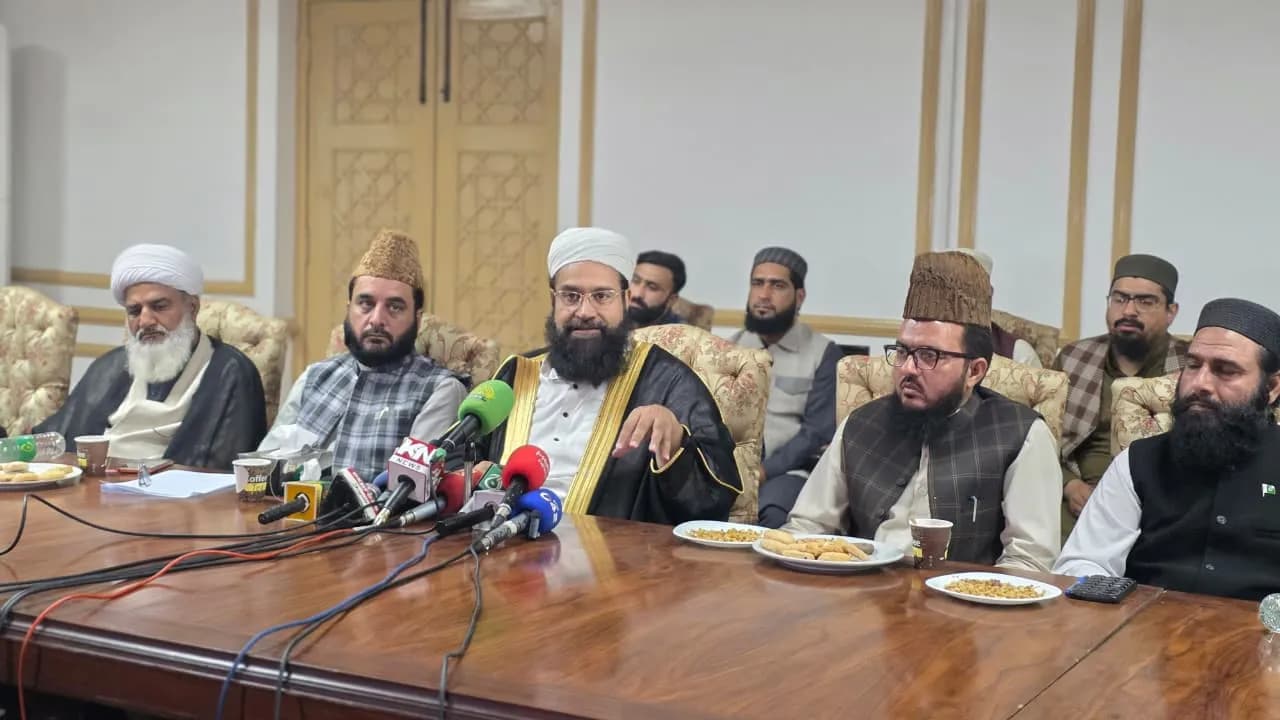
Leaders of various religious education organisations and federations across Pakistan met on November 13 to discuss the educational, administrative, and social roles of religious seminaries. The meeting, held by the Muttahida Madaris Council Pakistan, focused on developing an integrated and effective educational system nationwide that combines religious studies with modern sciences and contemporary subjects.
Participants expressed a resolve to preserve the historical identity and scholarly traditions of seminaries while aligning them with modern educational requirements. The group noted that these institutions have played a fundamental role for centuries in promoting the teachings of the Holy Quran and Sunnah, Islamic sciences, and moral education.
The meeting placed particular emphasis on equipping students with modern intellectual, academic, and practical knowledge to ensure they can contribute to national development. Discussions also highlighted the importance of expanding opportunities for women to receive both religious and contemporary education, which the group described as fundamental to the positive development of families and society.
To improve academic standards, the council agreed on the need for better coordination regarding examinations, certifications, registration, and administrative affairs among different madrassa federations.
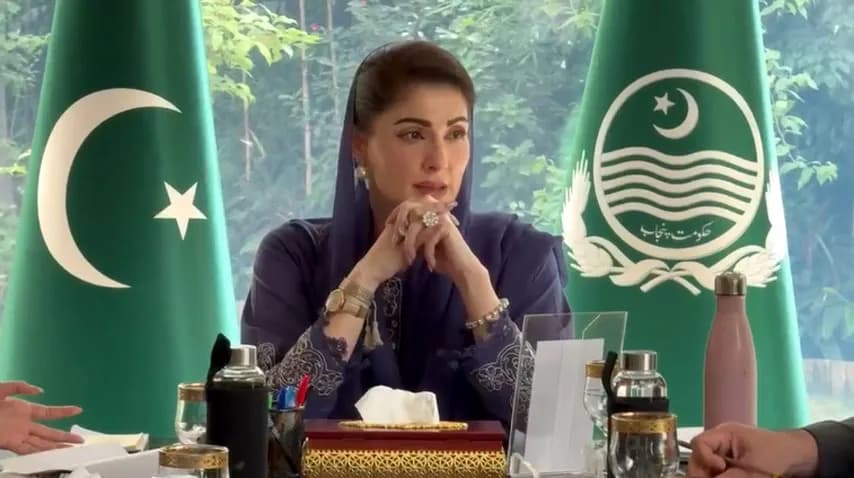
The participants expressed appreciation for the efforts of Prime Minister Muhammad Shehbaz Sharif, Chief of Army Staff and Chief of Defence Forces Field Marshal Syed Asim Munir, and Chief Minister Punjab Maryam Nawaz Sharif regarding madrassa registration, access to banking facilities, and other administrative issues. They expressed hope that these processes would be simplified further.
The group also acknowledged the National Paigham-e-Aman Committee for promoting coordination and dialogue between religious seminaries and the government. The meeting concluded with a reaffirmation that the Muttahida Madaris Council Pakistan would continue its collective role in resolving common challenges, improving educational standards, and promoting religious tolerance and national cohesion.