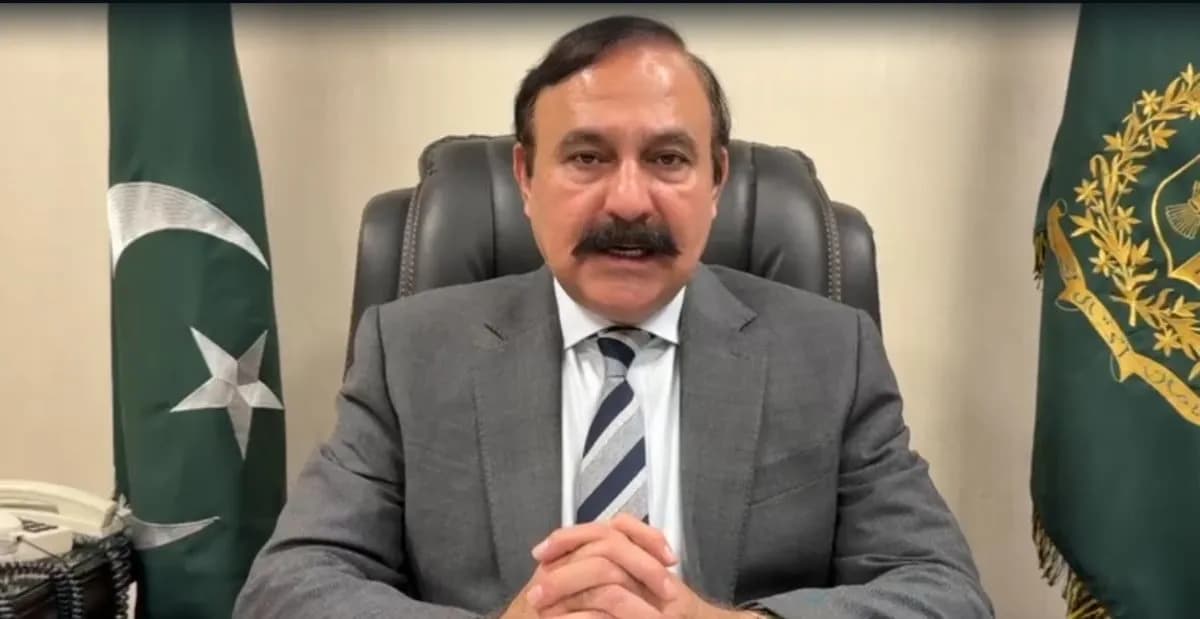
ISLAMABAD: Parliamentary Affairs Minister Tariq Fazal Chaudhry said on Saturday that no discussion on a referendum took place during a meeting between Deputy Prime Minister and Foreign Minister Ishaq Dar and Pakistan Peoples Party (PPP) Chairman Bilawal Bhutto-Zardari. Chaudhry stated that the PPP would continue to remain part of the ruling coalition and maintain its cooperation with the government.
The meeting occurred earlier in the day at Zardari House in Islamabad. The government delegation, led by Dar, included Chaudhry, National Assembly Speaker Ayaz Sadiq, and Minister of State for Finance Bilal Azhar Kayani. The PPP delegation included Senator Sherry Rehman and National Assembly member Naveed Qamar. The group discussed the raid on Jamiat Ulema-e-Islam-Fazl (JUI-F) chief Maulana Fazlur Rehman’s residence, the upcoming session of Parliament, and potential legislative agendas.
Chaudhry described the meeting as a "routine engagement" and noted that such interactions with coalition partners and senior political leadership take place from time to time. When asked about the referendum, Chaudhry replied, "There was no discussion on the referendum in today's meeting with Bilawal sahab."
Chaudhry explained that a referendum is being considered as a means of seeking "public opinion" on the creation of new provinces and is not a substitute for the "constitutional procedure" for establishing them. He added that no date has been finalised or announced by the government for the referendum. Chaudhry elaborated that the issue of new provinces would be discarded if public opinion was unfavourable, while a positive response would pave the way for further steps. He remarked, "There is no button in the system which can be pushed so that the system can restart. A referendum is simply an effort to ask the people about their opinion on new provinces and how it can be beneficial for them."
Chaudhry thanked Bilawal for welcoming Dar and the government delegation with "respect," stating the two sides held cordial discussions in "good spirits" on broader political and parliamentary matters. He noted that the senior party leadership met because there was a heated political exchange between the two parties in the last few days.
During the meeting, Bilawal expressed "good wishes" for Prime Minister Shehbaz Sharif and reiterated his desire that the incumbent government complete its constitutional term. Bilawal also spoke about his commitment to the Charter of Democracy, while Dar raised the idea of signing a "Charter of Economy."
Regarding parliamentary cooperation, Chaudhry said the PPP has been asked to continue supporting legislation. Representatives of both parties and the law minister are members of the parliamentary legislation committee, which agreed to expedite the passage of pending bills from various ministries. Chaudhry clarified that none of the pending bills relate to the proposed 28th Constitutional Amendment.
The debate on carving new provinces gained momentum on July 31 when Interior Minister Mohsin Naqvi called for additional administrative units to overhaul the country's governance system. Naqvi argued the existing model had effectively “collapsed” after decades of failing to deliver. The proposal drew interest from the Muttahida Qaumi Movement-Pakistan (MQM-P), which has repeatedly advocated carving out new provinces from Sindh.
On September 4, the Sindh Assembly passed a resolution rejecting attempts to divide the province or create new administrative units. Chief Minister Syed Murad Ali Shah declared there will be no compromise on Sindh's geographical unity.
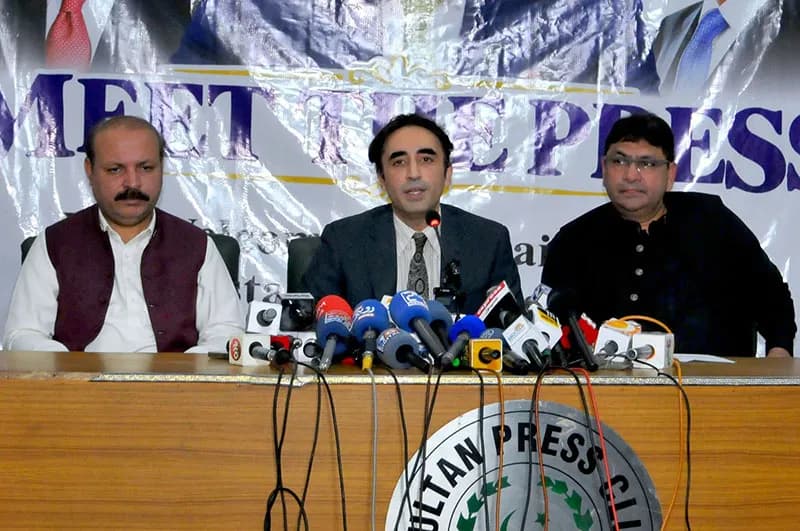
Bilawal recently stated at the Karachi Press Club that a bloodbath was imminent if Sindh was administratively divided. He hinted that the government was mulling a 28th amendment for the purpose, while asserting that the 27th amendment was coerced onto the PPP lawmakers. Bilawal acknowledged a system collapse and said he was up for a reset ‘only’ through political interventions.
Adviser to the Prime Minister on Political Affairs Rana Sanaullah said Bilawal's remarks could lead to disqualification, stating the PPP was fully involved in the 26th Amendment and ensured every vote was accounted for in the 27th Amendment. Defence Minister Khawaja Asif also hit back at Bilawal, questioning his moral standing to lecture others while pointing to the PPP's 18-year rule in Sindh.
In response, Bilawal asked government officials to "calm down" and hear his opinions. He turned down a referendum, saying it was never "historically" used for democratic reasons. He also snubbed calls for the division of Sindh. The MQM-P stated their resolve to make new provinces was final. Prime Minister Shehbaz and President Asif Ali Zardari subsequently agreed to resolve all outstanding issues through dialogue.