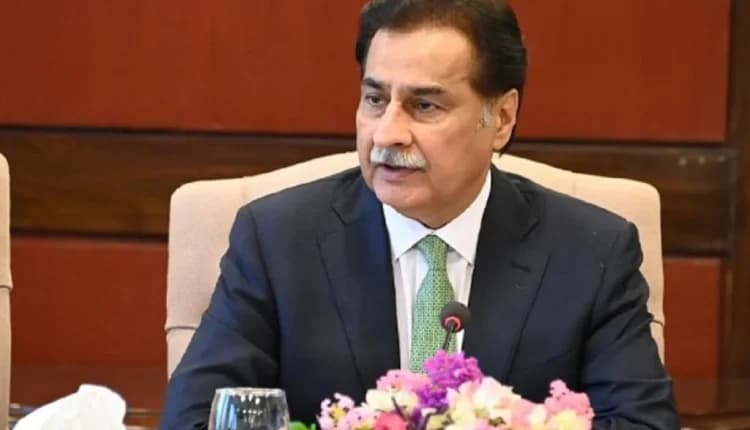
Speaker of the National Assembly Sardar Ayaz Sadiq paid tribute to the martyrs of Jammu on the occasion of Youm-e-Shuhada-e-Jammu. He stated that the tragedy of November 6, 1947, remains one of the most tragic chapters in the history of the subcontinent.
Sadiq said that on that day, Dogra forces, extremist elements of the RSS, and armed groups carried out a large-scale massacre of Muslims in Jammu. He reported that this resulted in the martyrdom of thousands of people and forced hundreds of thousands of Muslims to migrate from their ancestral homes. He noted that the sacrifices of these martyrs would always be remembered as an integral part of the history of the Kashmiri people’s struggle for freedom.
The Speaker described the Jammu tragedy as not merely a historical event but a painful reminder of atrocities committed against the Kashmiri people and attempts to alter their identity and demographic composition. He stated that the Kashmiri people had rendered countless sacrifices in their struggle for fundamental rights, freedom, and the right to self-determination, which could never be forgotten.
Sadiq identified India’s unilateral and illegal actions of August 5, 2019, as part of efforts to revoke the special status of Indian Illegally Occupied Jammu and Kashmir (IIOJK) and alter the region's demographic composition. He said these measures had severely undermined the fundamental rights and identity of the Kashmiri people.
The Speaker urged the international community to take effective notice of human rights violations in IIOJK, including illegal detentions, restrictions on political leadership, and curbs on freedom of expression. He called for the international community to play an effective role in ensuring the Kashmiri people are granted their inalienable right to self-determination.
Sadiq said a just and peaceful resolution of the Kashmir dispute is possible only in accordance with relevant United Nations Security Council resolutions and the aspirations of the Kashmiri people. He added that resolving this longstanding dispute is essential for lasting peace, stability, and prosperity in South Asia.