Key Takeaways
- Finance Minister Aurangzeb outlines plans for 4% economic growth.
- Pakistan aims to diversify financing through Panda bonds and Sukuk.
- Aurangzeb discusses progress under IMF programme and tax reforms.
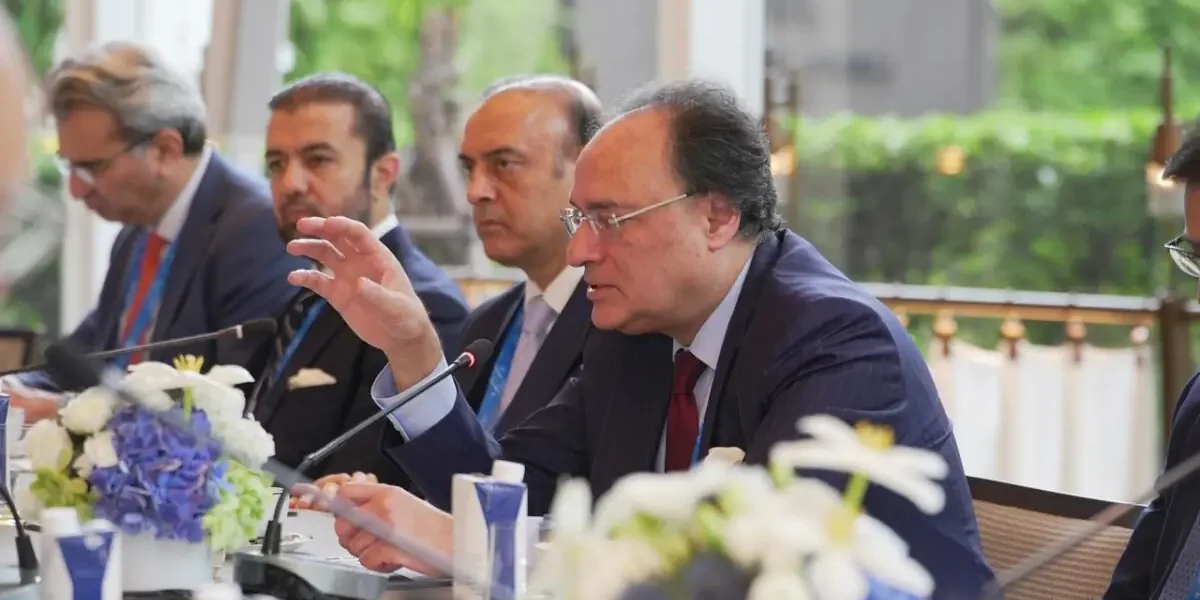
Finance Minister Muhammad Aurangzeb has informed international investors that Pakistan anticipates economic growth of 4% or higher this fiscal year. During his participation in the Citi Macro Forum Session, Aurangzeb highlighted the country's fiscal improvements and outlined plans to diversify its financing sources.
Aurangzeb emphasized continued macroeconomic stabilisation, three consecutive years of primary surpluses, a fiscal deficit at a 22-year low, and strengthened foreign exchange buffers. He expressed optimism that these factors would contribute to growth reaching or exceeding 4% during the current fiscal year.
The finance minister also discussed Pakistan’s capital market strategy, which includes further Panda bond issuances, Sukuk, and a rupee-denominated, dollar-settled international bond. These measures are aimed at diversifying funding sources, reducing borrowing costs, and extending debt maturities.
In a separate meeting, Aurangzeb briefed investors on Pakistan’s economic progress at Standard Chartered Bank’s Sovereign Investor Roundtable. He stressed the importance of sustained structural reforms, fiscal discipline, and stronger tax enforcement. Aurangzeb also highlighted the government’s commitment to investment- and export-led growth beyond the IMF programme.
Aurangzeb addressed the impact of the Middle East conflict, outlining measures to maintain energy supplies and provide targeted relief to vulnerable groups within existing budgetary allocations. Discussions also covered climate resilience, disaster preparedness, and effective utilisation of development financing.
During his presentations, Aurangzeb reaffirmed Pakistan’s commitment to sustained reforms and a transition from aid towards trade and investment in its partnerships with other countries. He also discussed progress under the IMF programme, tax-base expansion, stronger enforcement, and provincial coordination to sustain fiscal discipline.
The finance minister’s efforts to diversify financing sources and maintain economic stability have been a key focus. He highlighted the importance of maintaining energy security and providing targeted relief to vulnerable groups. Discussions also covered the external outlook, inflation, and the government’s commitment to strengthening Pakistan’s sovereign credit standing.