Key Takeaways
- Pakistan’s major commercial banks have made limited progress in extending sustainability commitments.
- Climate change and biodiversity are the weakest areas in banks' financing policies.
- Only 13.8% of policies cover climate change and 26.8% cover biodiversity.
Pakistan’s major commercial banks have made limited progress in extending sustainability commitments, particularly in areas related to climate change and biodiversity, according to a new assessment.
The assessment, conducted by Fair Finance Pakistan (FFP) in collaboration with Lahore University of Management Sciences (Lums) and Profundo, evaluated the sustainability policies of seven banks: Habib Bank Ltd (HBL), United Bank Ltd (UBL), MCB Bank, the National Bank of Pakistan (NBP), Meezan Bank, Allied Bank (ABL) and Standard Chartered Pakistan (SCBPL).
The findings revealed that only 13.8% of the policy elements relating to climate change and 26.8% for biodiversity received positive coverage for borrowers and projects, compared to 75.4% for the banks' own operations.
Standard Chartered Pakistan recorded the highest climate-change score at 3.63 out of 10, followed by Allied Bank at 1.45 and Habib Bank Ltd at 1.37. The remaining banks scored below 0.50.
Biodiversity scores showed a similar concentration of stronger commitments among a few lenders, with Standard Chartered leading with 5.31, followed by Allied Bank at 3.05, while MCB Bank and the National Bank of Pakistan scored zero.
Across the eight themes assessed, governance-related policies, covering anti-corruption, tax transparency, and accountability, performed best, with a sector average of 3.39. Social themes averaged 3.14, while environmental policies trailed at 1.40.
Presenting the findings, Lums Professor Emeritus of Economics Dr Abid Aman Burki stated that environmental policies remained the weakest dimension, with climate and biodiversity scores barely above one out of 10.
The report recommends stronger borrower obligations, independent monitoring, greater portfolio-level disclosure, and consistent environmental and social safeguards in credit appraisal. It cautions that the assessment measures the quality and scope of publicly disclosed policies, rather than actual environmental or social outcomes.
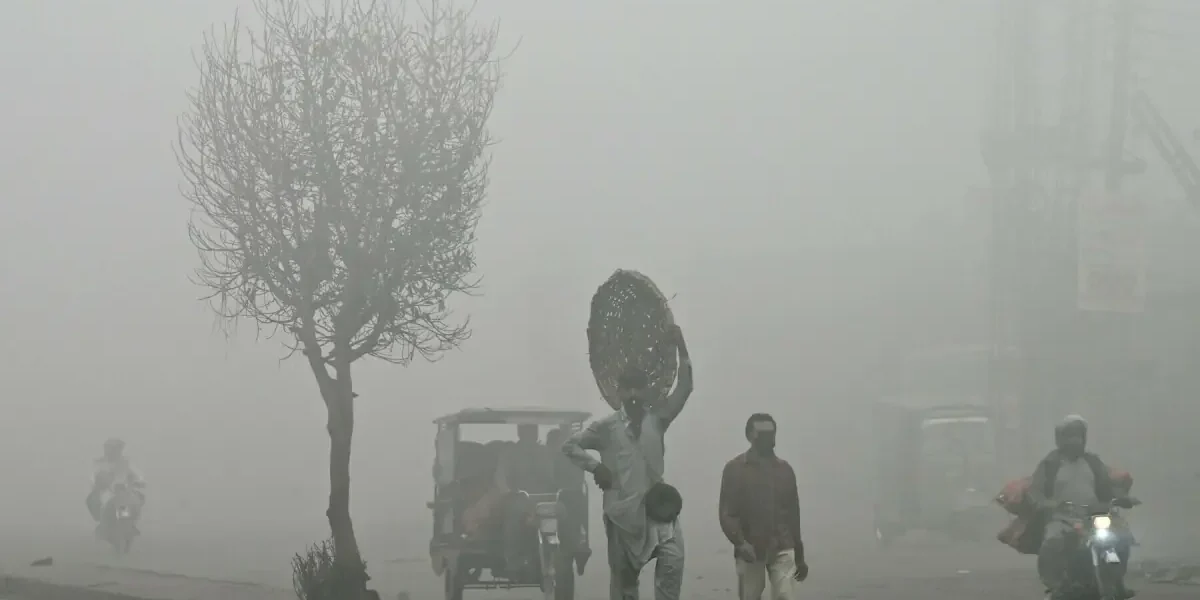
The gaps in sustainability commitments raise concerns about whether climate and nature-related risks are adequately reflected in financing decisions in a country increasingly exposed to floods, extreme heat, and air pollution.