Key Takeaways
- Pakistan has reinstated direct shipping between Karachi and major European ports.
- The Mediterranean Shipping Company (MSC) has resumed its PREMIUM IPAK service.
- The move aims to reduce transit times and lower costs for export-oriented industries.
Pakistan has restored direct shipping connectivity between Karachi and major European ports, offering exporters an alternative to longer shipping routes and rising freight costs. This development is part of a broader effort to improve shipping options for export-oriented industries, particularly textiles.
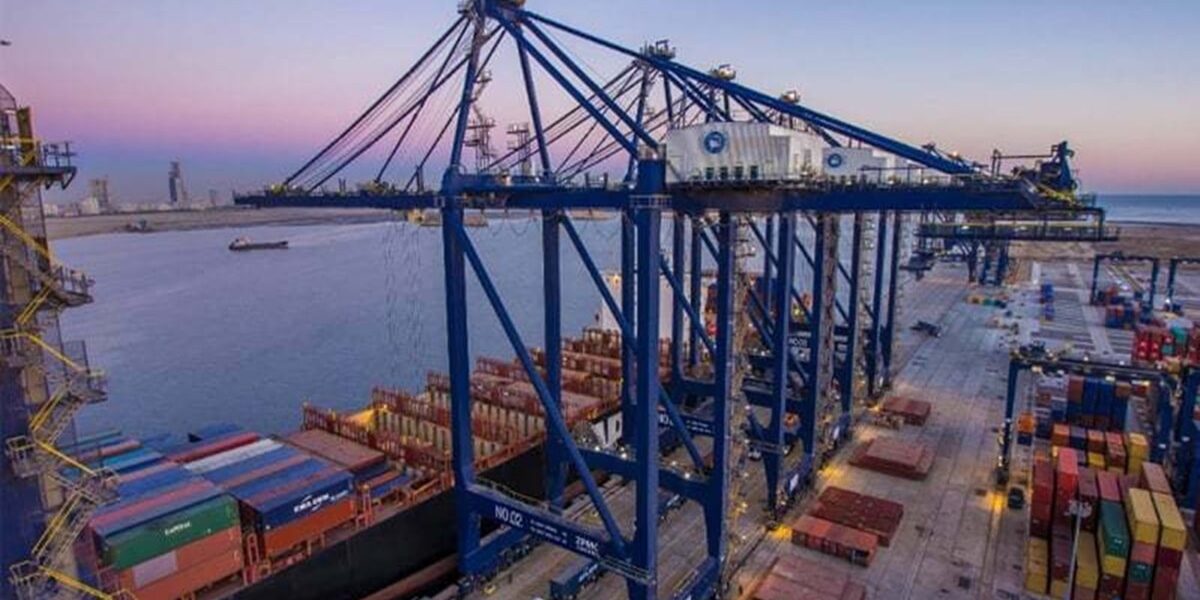
Federal Maritime Affairs Minister Muhammad Junaid Anwar Chaudhry announced that the Mediterranean Shipping Company (MSC) has reinstated its PREMIUM IPAK service in response to exporters' demand for a dedicated shipping link with Europe. Under the restored service, MSC will make weekly calls at Karachi Gateway Terminal International (KGTI), connecting Karachi to major European destinations such as Felixstowe, Rotterdam, Hamburg, Bremerhaven, Antwerp, Le Havre, and London Gateway via Colombo.
The minister stated that the service would improve shipping options for export-oriented industries, particularly textiles, which have faced longer transit times and higher logistics costs due to disruptions in international shipping routes, including those linked to the Red Sea. Textile exporters had raised concerns that longer vessel journeys were increasing transportation costs and delivery times for shipments to European and US markets, affecting the competitiveness of Pakistani exports.
Karachi Port Trust Chairman proposed standardized electronic delivery orders, round-the-clock risk-based inspections, non-intrusive scanning, joint inspections, and common sampling to speed up cargo clearance. At a meeting of the Working Group on Shipping Connectivity and Optimization, participants discussed removing physical and regulatory bottlenecks to make cargo clearance faster and more predictable.
Terminal operators expressed readiness to conduct inspections at night, while Pakistan Customs was asked to facilitate round-the-clock operations. The minister cautioned that while the restored service would provide exporters with more options for planning and transporting shipments, it would not resolve the wider challenges affecting international shipping routes.
The move is expected to benefit export-oriented industries, particularly textiles, by reducing transit times and lowering costs. However, the minister emphasized that the challenges in international shipping routes remain and require continued attention and collaboration among various stakeholders.