Key Takeaways
- October’s full moon, known as the Hunter’s Moon, will peak on October 26.
- Viewers should look toward the eastern horizon around sunset on October 25 and 26.
- No telescope is needed to enjoy the sight; an open spot with a clear eastern view is recommended.
The Hunter’s Moon, a full moon that occurs in October, will reach its peak illumination on Monday, October 26, at approximately 9:12 a.m. Pakistan Standard Time. This celestial event is a popular sight for skywatchers across Pakistan.
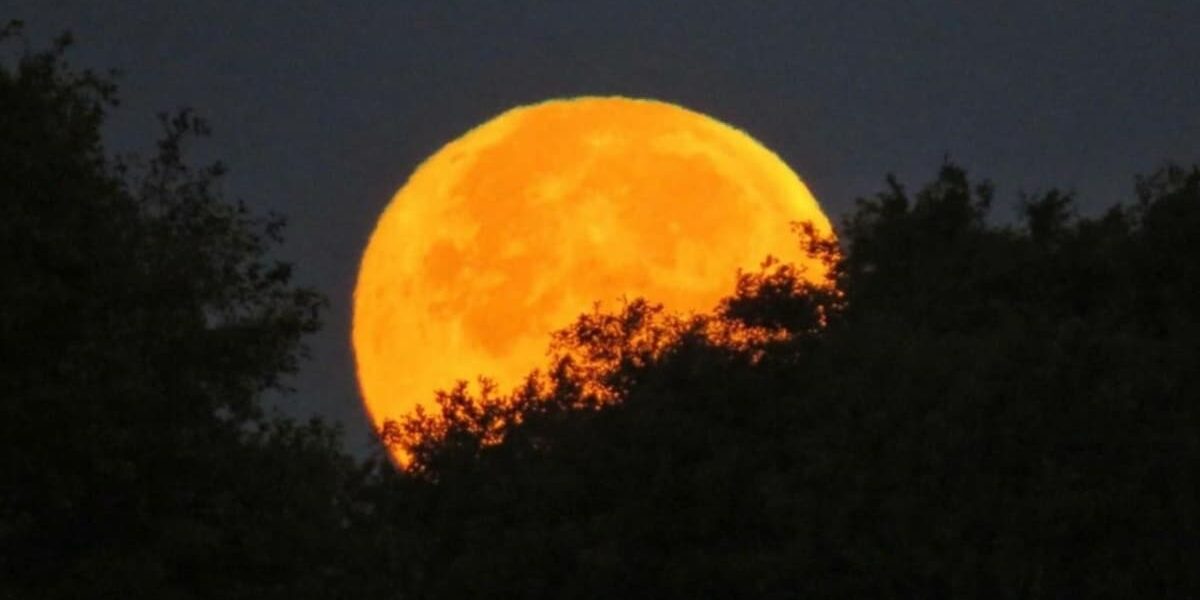
To catch a glimpse of the Hunter’s Moon, viewers should look toward the eastern horizon around sunset on October 25 and 26. The moon will appear nearly full from October 25 to 27, weather permitting.
For the best viewing experience, choose an open spot with a clear eastern view and arrive about 20 minutes early. The moon may appear orange or reddish near the horizon due to the scattering of blue light by Earth’s atmosphere, a phenomenon known as the ‘moon illusion’.
The Hunter’s Moon follows September’s Harvest Moon and traditionally refers to the season when cleared fields and bright evening moonlight helped hunters find game and prepare food for winter. This full moon does not qualify as a supermoon, as it will not be as close to Earth as some other full moons.
Photographers can use a tripod and remote shutter release to capture the moon, with a telephoto lens suitable for close-ups and a wider lens for capturing the moon above a landscape. October’s full moon will be followed by the Beaver and Cold supermoons in November and December.
The Hunter’s Moon is a fascinating celestial event that offers a unique opportunity for skywatchers to observe the night sky. With the right conditions and a clear eastern view, the moon will provide a stunning sight for those who choose to observe it.