Key Takeaways
- A judge has denied Ticketmaster’s motion to dismiss a lawsuit filed by the Federal Trade Commission (FTC).
- The lawsuit alleges Ticketmaster violated the Better Online Ticket Sales (BOTS) Act by allowing brokers to bypass purchase limits.
- The judge cited internal emails indicating Ticketmaster was aware of and allowed brokers to use fake accounts.
A judge has ruled that Ticketmaster can face a lawsuit brought by the Federal Trade Commission (FTC) for allegedly enabling mass-scale ticket reselling on its secondary market.
The lawsuit, filed a year ago, is based on the Better Online Ticket Sales (BOTS) Act, which prohibits ticket issuers from circumventing their own security measures.

According to the FTC, Ticketmaster allowed brokers to bypass its ticket purchasing limits with hundreds or sometimes thousands of accounts under fake names, generating billions of dollars in resale fees for the platform.
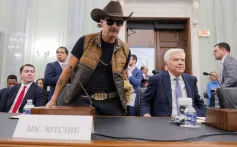
Ticketmaster’s leadership denies these allegations, with Live Nation’s legal chief, Dan Wall, testifying before Congress that the company has 'walked the walk' on anti-broker initiatives to protect artists and fans.
However, the judge, Judge Maame Ewusi-Mensah Frimpong, rejected Ticketmaster’s argument that the BOTS Act is only meant to be used against individual resellers, not the platforms that host them.
The judge cited an internal email where a senior executive said they 'turn a blind eye as a matter of policy' to this conduct, as well as other communications that allegedly show Ticketmaster was aware of specific brokers who frequently generated fake accounts.
The judge ruled that the FTC’s lawsuit lays out sufficient allegations that Ticketmaster allowed ticket brokers to bypass purchase limits, enabling them to resell large swaths of tickets.
The judge also ruled that the FTC can level deceptive business practice claims against Ticketmaster over drip pricing, a tactic where prices are gradually increased to maximize profits.
The case is now set to move into the next phase of litigation, with both sides expected to present their arguments in court.