Key Takeaways
- The government has shelved the new Auto Policy 2026-31 for electric vehicles (EVs) and hybrids.
- Local automakers pressured the government to cancel the proposal, leading to a revised version being prepared.
- Sales tax on hybrid electric vehicles increased from 8.5% to 25%, affecting their market.
The government has abandoned its new Auto Policy 2026-31 for electric and hybrid vehicles following intense pressure from the local car industry, according to a statement by ProPakistani.
This policy was intended to reduce Pakistan's reliance on imported petroleum products but faced opposition from automakers who expressed concerns about its implementation.
The previous Auto Industry Development and Export Policy 2021-26 expired on June 30, 2026, leading to the automatic withdrawal of tax concessions for hybrid vehicles. As a result, the sales tax on hybrid electric vehicles (HEVs) and plug-in hybrid vehicles increased from 8.5% to 25% as of July 1, 2026.
The tax hike has pushed up prices of these vehicles, impacting their market share. Some manufacturers have also delayed deliveries due to uncertainty surrounding the new policy.
In response to industry concerns, Prime Minister Shehbaz Sharif has assigned Deputy Prime Minister Ishaq Dar the task of preparing a revised auto policy that addresses the industry's reservations.
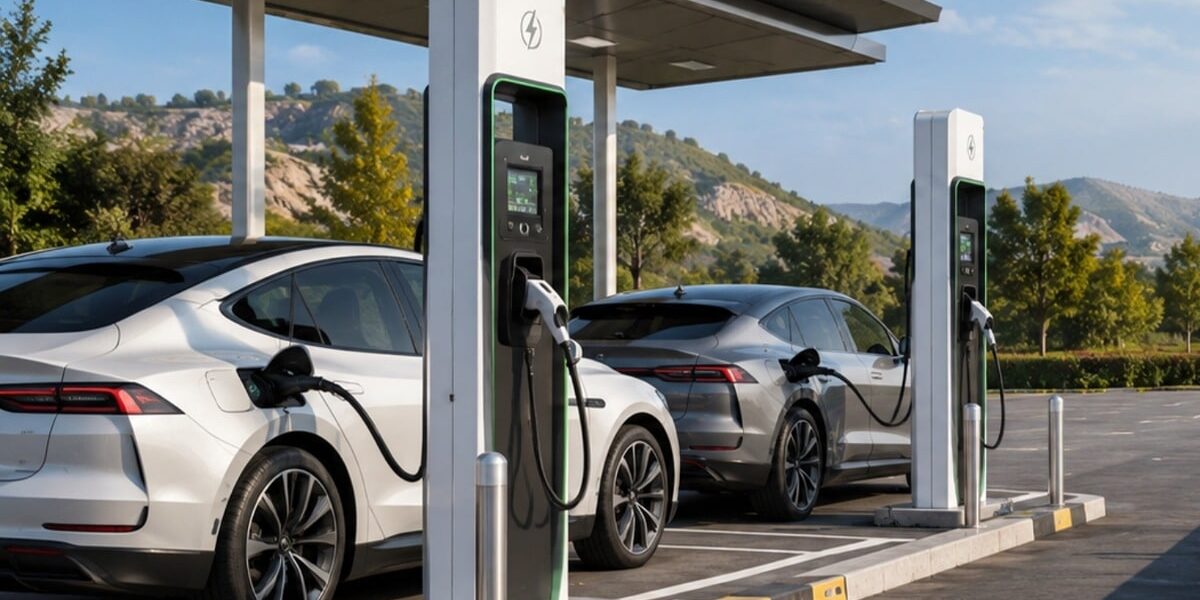
Industry representatives have called for temporary tax relief on hybrids until Pakistan develops a robust EV charging network and local manufacturing capabilities. They argue that such measures are necessary to ensure a smooth transition towards electric vehicles without harming existing manufacturers or threatening local investments.
Car dealers support the shift towards EVs but advocate for a gradual approach focused on localisation, technology transfer, and protection of existing manufacturers. They warn against excessive incentives for fully built EV kits, which could encourage imports and negatively impact employment in the automotive sector.
The government's decision to scrap the new policy has already had an immediate impact on the automobile market, highlighting the need for a carefully crafted transition plan that balances environmental goals with economic realities.